Antique Cameo Jewelry Identification & Value Guide
💡 Key Takeaways (Quick Reference)
- Material Test: Genuine shell and agate cameos feel cool to touch and exhibit natural depth layers under light. Plastic fakes are warm and show mold lines.
- Bezel Gold Marks: Authentic Victorian cameos are often set in 9K, 14K, or 18K gold bezels. Check our Gold Karat & Metal Stamps Guide.
- Dating by Clasp: C-clasps date to pre-1900 Victorian eras, while safety swivel clasps indicate 1920s Art Deco era mountings.
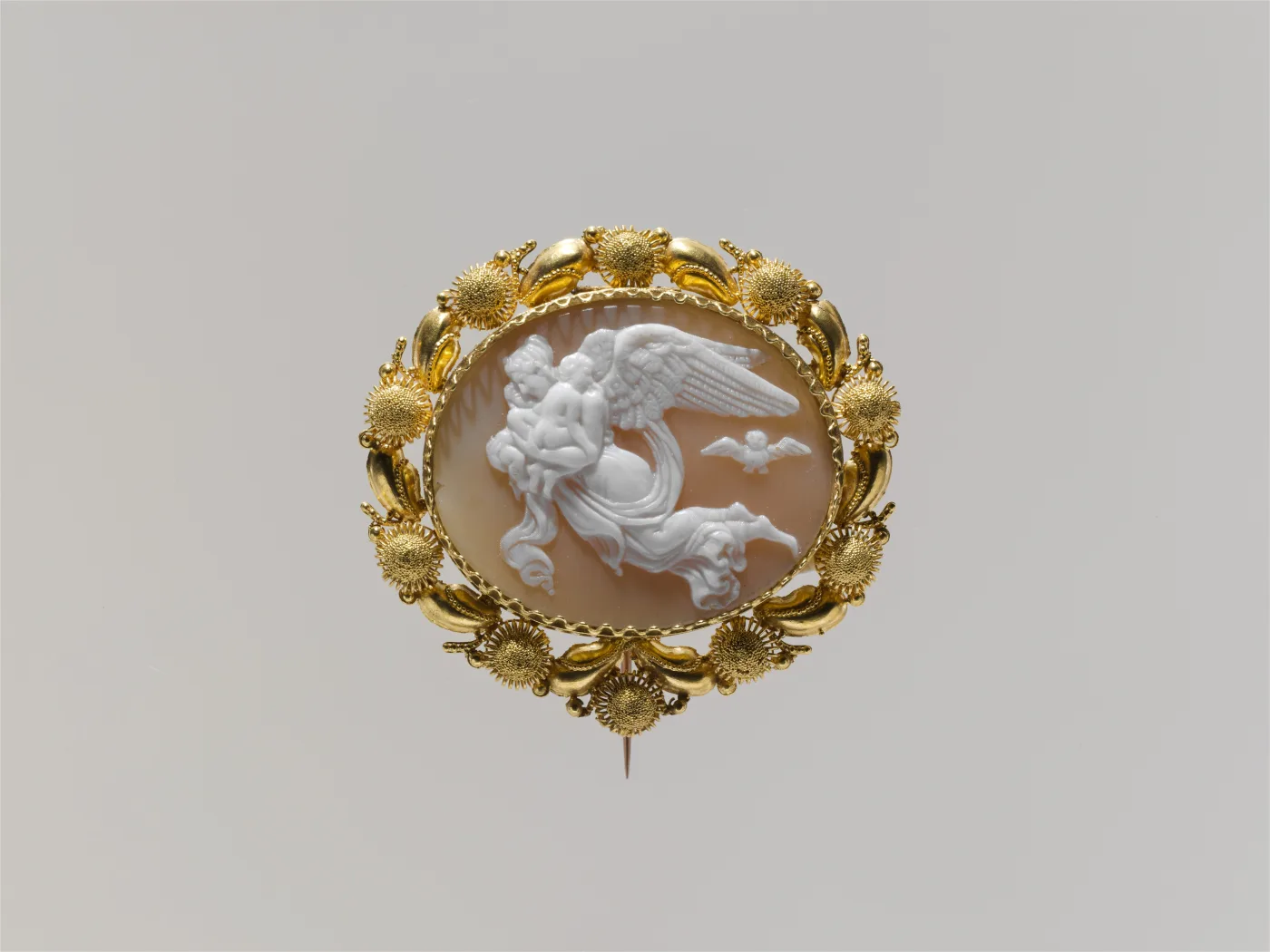
Cameos have been carved since classical antiquity, capturing portraits, mythological scenes, and floral motifs in relief. Identifying the material, carving quality, and mounting style allows collectors to accurately date and value antique cameos.
Materials Used in Antique Cameos
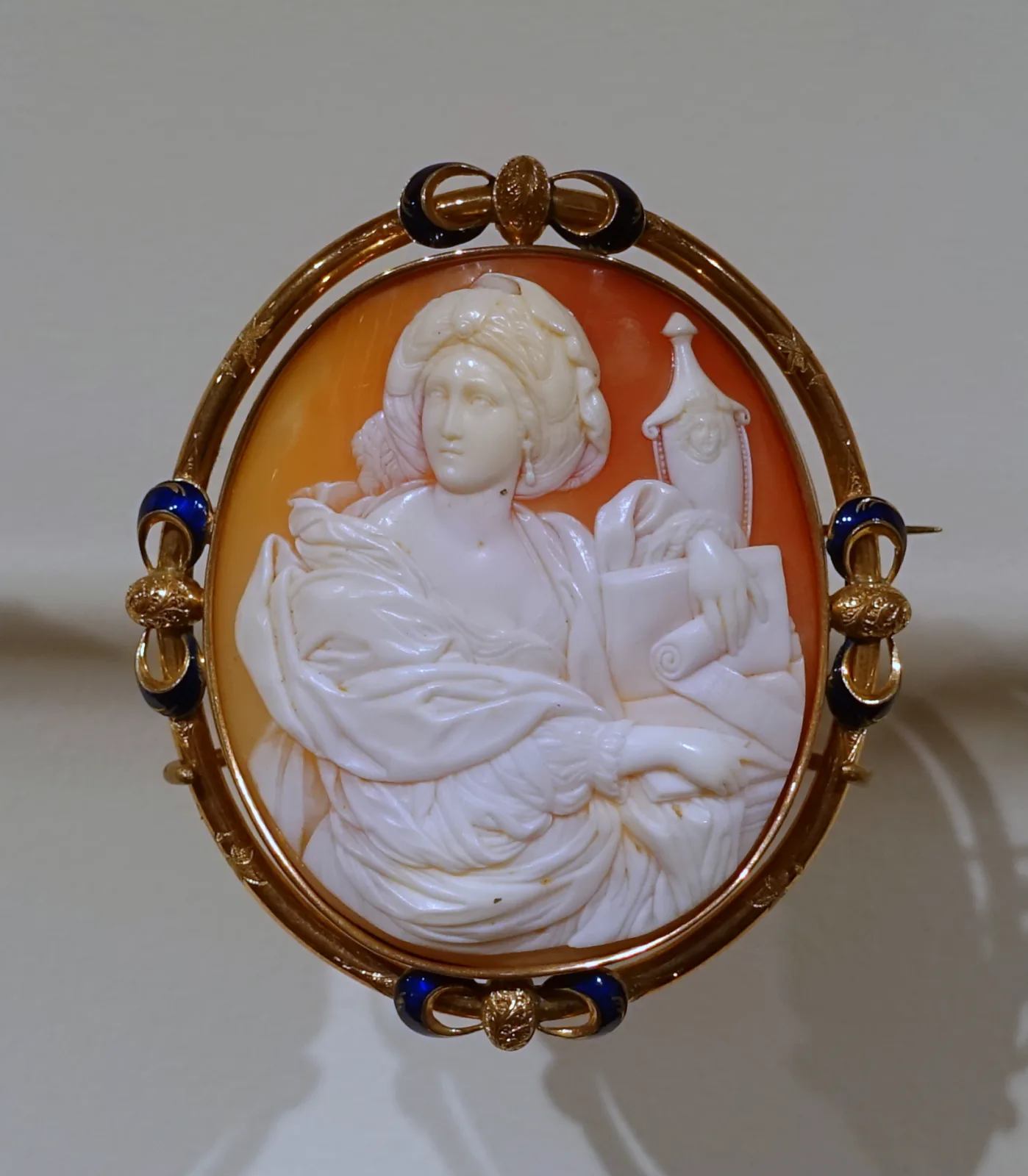
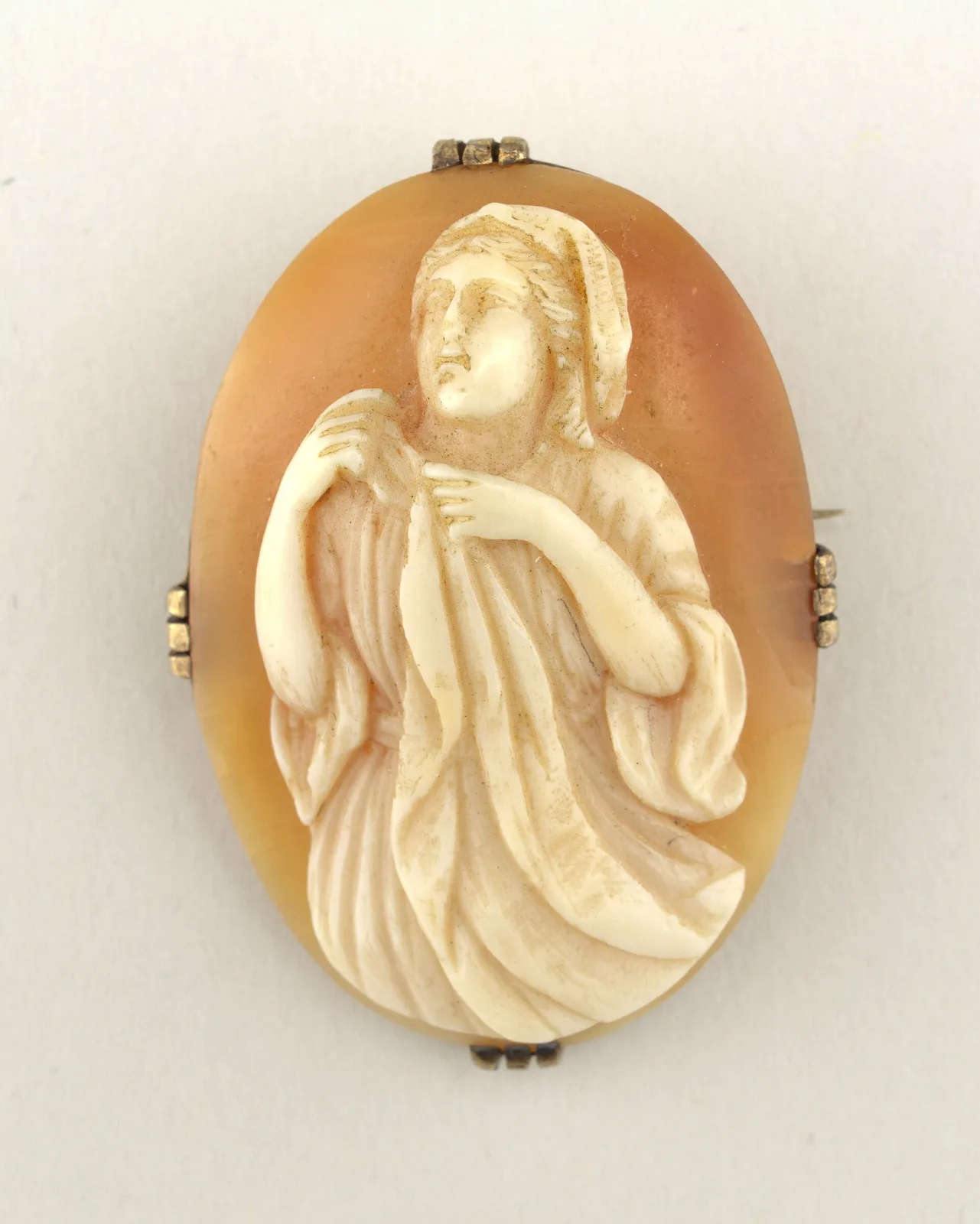
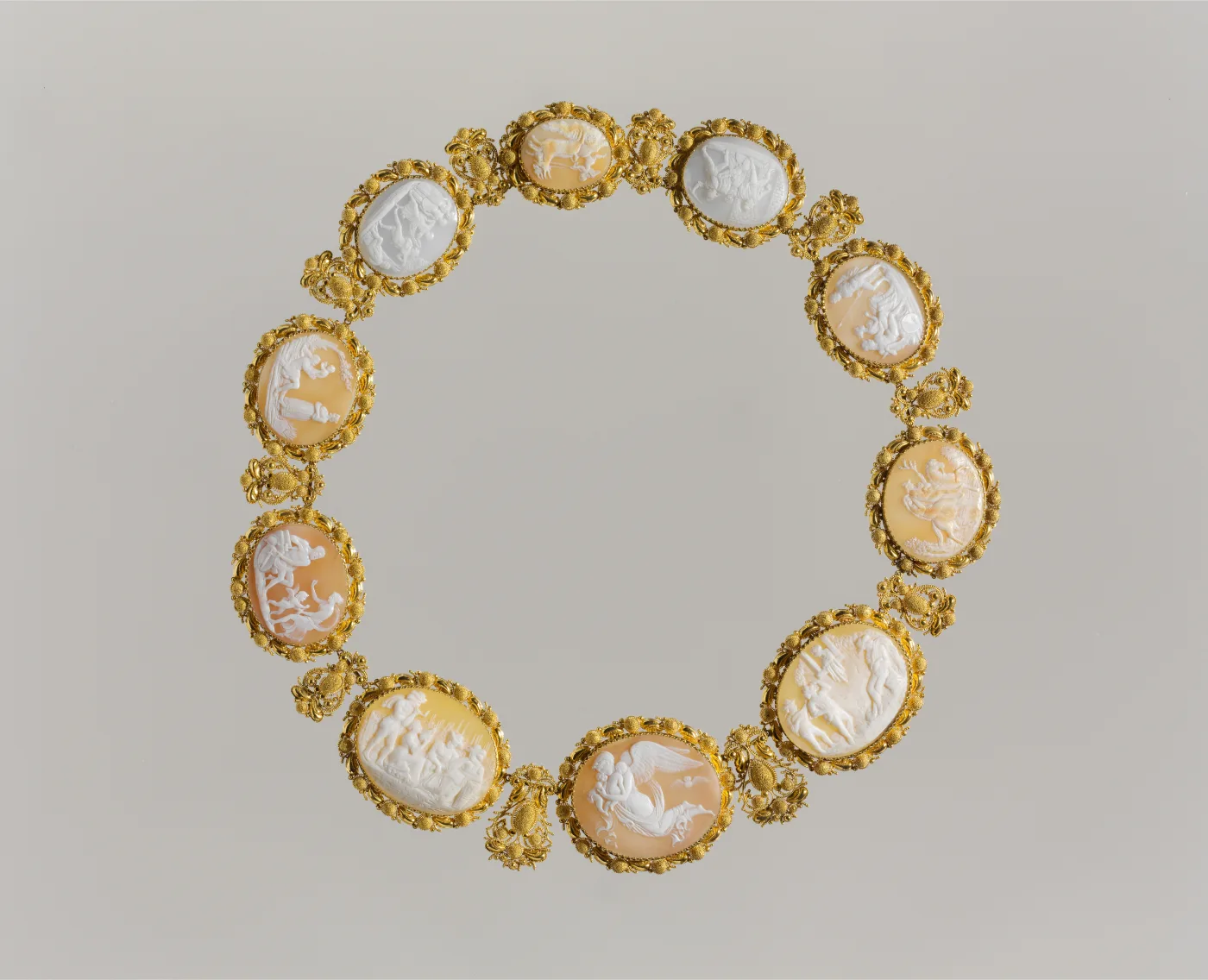
- Sardonyx & Shell: The most common Victorian material. Carvers utilized the white upper layer of the shell against a darker brownish-red or pink background layer.
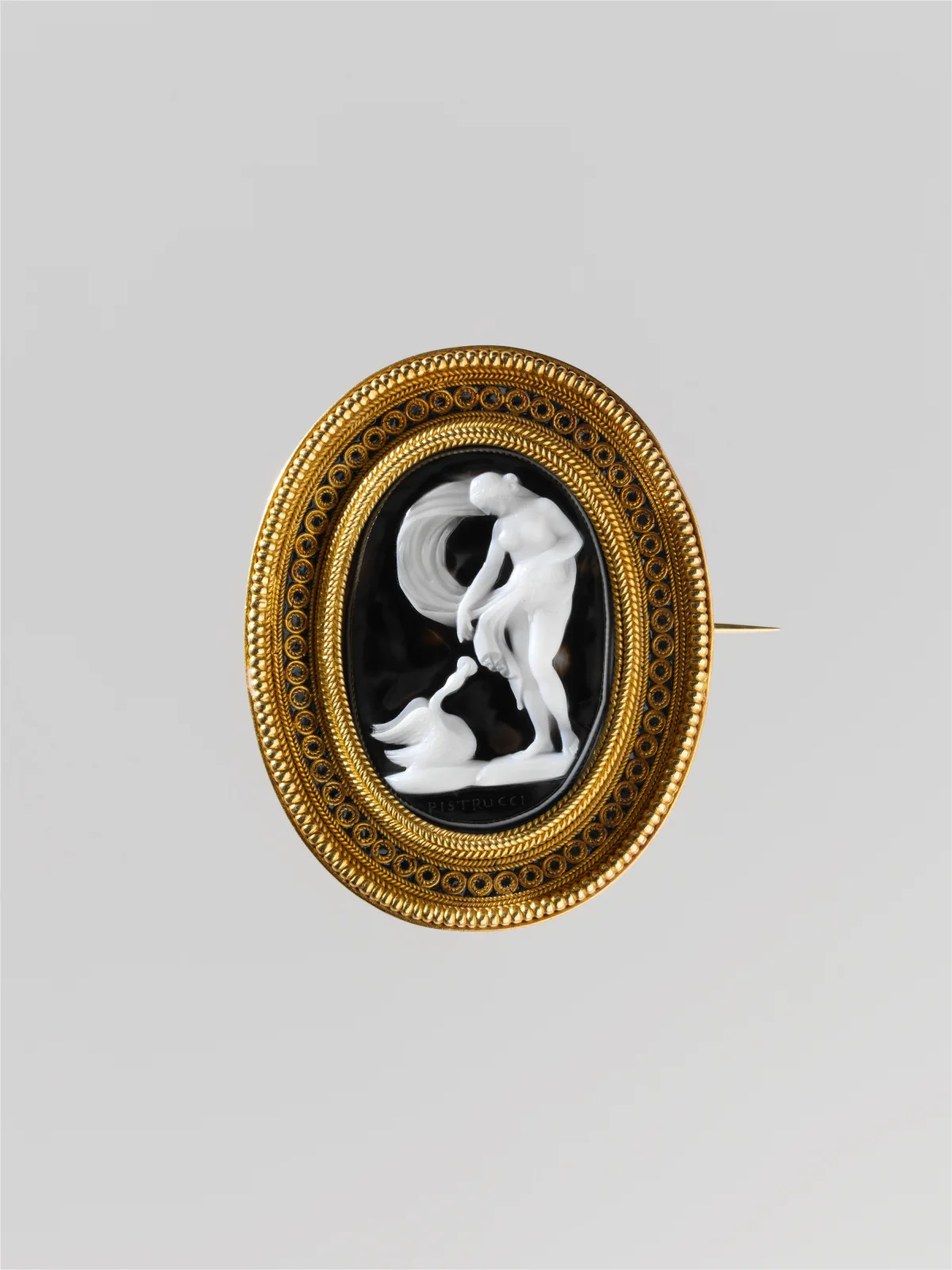
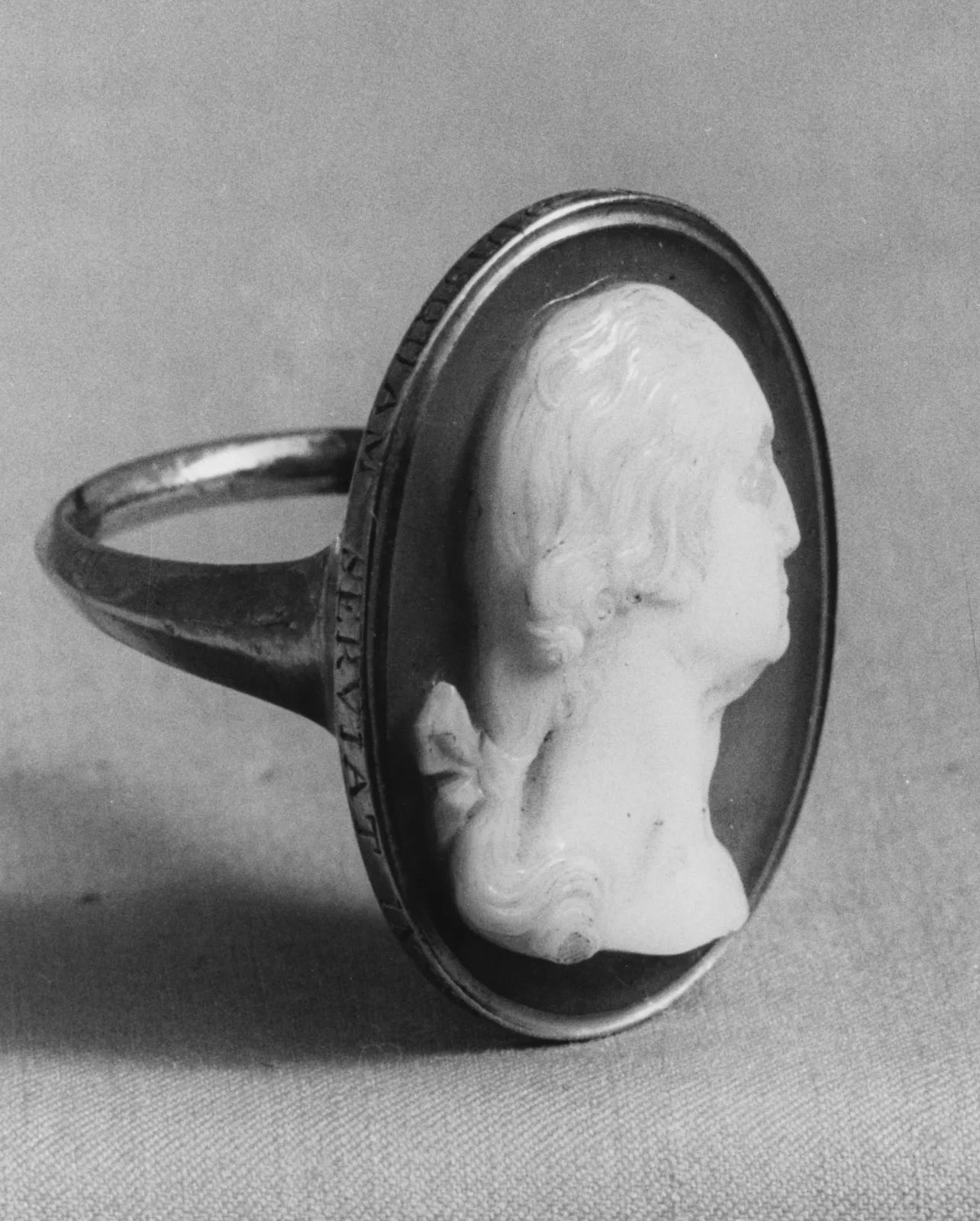
- Hardstone (Agate / Onyx): Highly prized for durability and crisp carving depth. Hardstone cameos take months to carve and resist scratching.
- Coral: Warm orange, pink, or red carved cameos popular in Victorian and Mediterranean jewelry.
- Lava: Carved from porous volcanic stone (often Mount Vesuvius lava) during 19th-century Grand Tour souvenirs.
Lava cameos came home from the same journeys as Roman micromosaic brooches, and the two often survive together in one box — but a micromosaic is assembled from glass rather than carved, so the checks below do not apply to it.

,_ca._1900_(CH_18443241).jpg)
Metal Bezels & Gold Stamps
Antique cameos were often framed in elaborate gold filigree or twisted wire bezels:
- 9K / 375 Gold: Common in Victorian British cameos. Learn more in our Gold Hallmarks Guide.
- 14K / 585 & 18K / 750 Gold: Used in high-end Continental European and American cameos.
- Sterling Silver (925): Victorian silver cameos often carry distinct assay stamps. Cross-reference with our British Sterling Silver 925 Hallmarks Guide.
Dating Cameos by Hardware & Pin Clasps
The brooch catch on the reverse side of a cameo is one of the most reliable indicators of age:
- C-Clasp (Pre-1900): Simple open hook shaped like the letter ‘C’. Common in Georgian and Victorian eras.
- Safety Lever Catch (1900–1920): Features a small tube or lever that slides over the pin point.
- Safety Swivel Catch (1920s–Present): Modern rotating locking wheel mechanism, often seen on Art Deco period cameos.
The hinge and the pin stem narrow the date further than the catch alone can, and the published windows for each fitting are less settled than the three-line summary above suggests. Our antique brooch clasp and hinge dating guide sets out the patent years, the attribution ranges, and how to spot a catch that was replaced during a repair.
Frequently Asked Questions
How can I tell if a cameo is real shell or plastic?
Genuine shell cameos have natural translucent color layers, subtle carving marks under magnification, and feel cool to the touch. Plastic cameos often show molding seams, uniform color, and feel warm.
Identify Your Jewelry Piece Instantly
Unsure about a hallmark, gemstone cut, or metal stamp? Take a photo and get an instant AI analysis and appraisal.