British Sterling Silver 925 Hallmarks Identification Guide
💡 Key Takeaways (Quick Reference)
- Lion Passant: Walking lion symbol signifying 92.5% pure Sterling Silver in Great Britain.
- Town Marks: Leopard’s Head = London, Anchor = Birmingham, Crown/Rose = Sheffield, Castle = Edinburgh.
- Cross Reference: Combine town marks with Gold Karat Stamps for mixed-metal pieces, Art Deco Rings, and Antique Cameo Mountings.
British silver hallmarking is one of the oldest, most structured consumer protection systems in history, dating back to 1300 AD. Understanding British hallmarks allows collectors and appraisers to determine exact metal purity, city of manufacture, year of assay, and silversmith identity.
The 4 Essential British Silver Marks
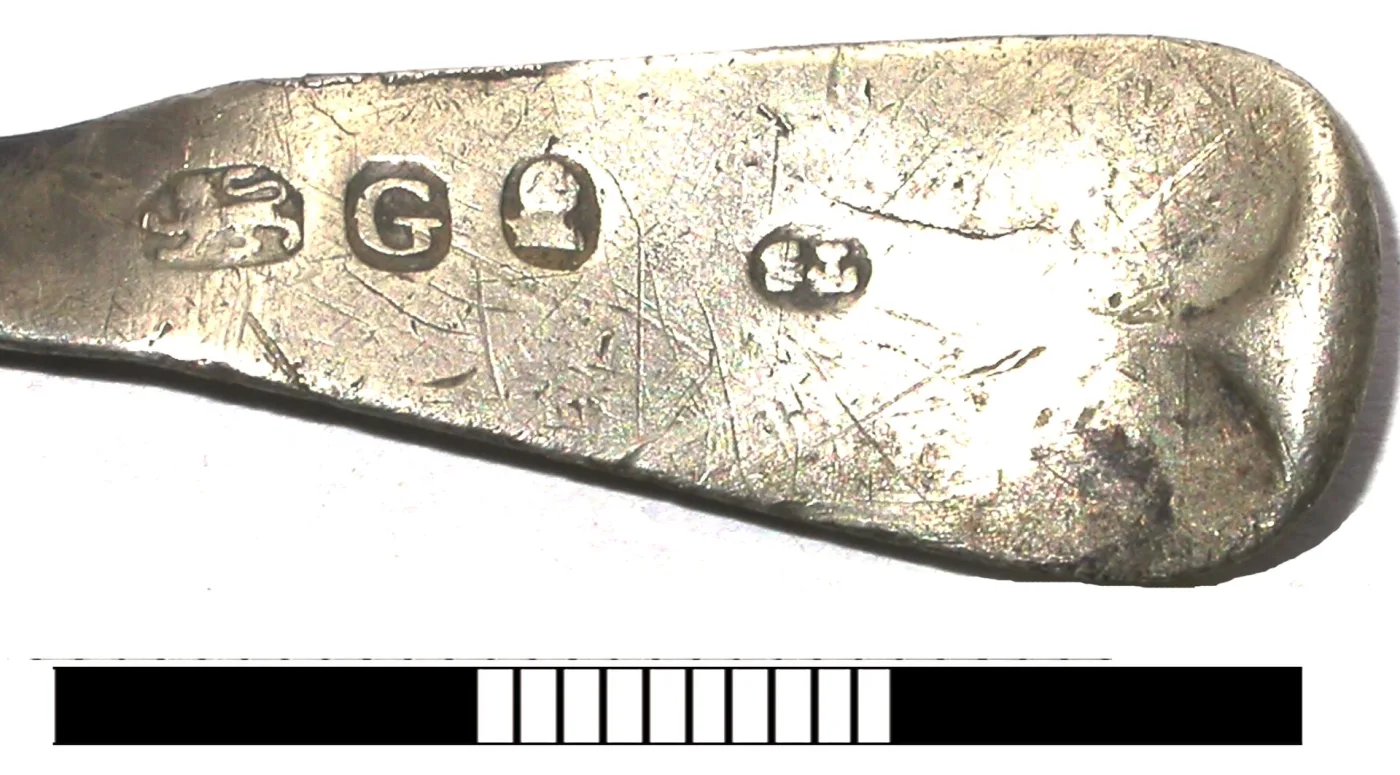
Standard antique British sterling silver carries four or five distinct stamped marks:
- Maker’s Mark: Initials of the silversmith or manufacturing firm inside a distinct cartouche.
- Standard Mark (Purity): The Lion Passant (walking lion) for Sterling Silver (925), or Britannia (seated figure) for 958 silver.
- Assay Office Mark (City):
- London: Leopard’s Head (crowned prior to 1821, uncrowned after).
- Birmingham: Anchor symbol.
- Sheffield: Crown (prior to 1975) or White Rose (after 1975).
- Edinburgh: Castle symbol.
- Chester: Sword and three sheaves of wheat (discontinued 1962).
- Date Letter: A single letter designating the year the item was tested at the assay office.
.jpg)
British Assay Offices & Symbols
| City / Assay Office | Symbol | Era Active |
|---|---|---|
| London | Leopard’s Head | 1300 – Present |
| Birmingham | Anchor | 1773 – Present |
| Sheffield | Crown / Rose | 1773 – Present |
| Edinburgh | Castle | 1457 – Present |
| Chester | Sword & Wheat Sheaves | 1701 – 1962 (Closed) |
How to Read Date Letters
Date letters run in 20-year cycles (excluding letters I, J, N, O, Q, V, W, X, Y, Z depending on the specific office).
- Font Style: Gothic, Roman Script, or Sans-Serif font styles differentiate cycles.
- Shield Shape: The border shape enclosing the letter changes every 20 years.
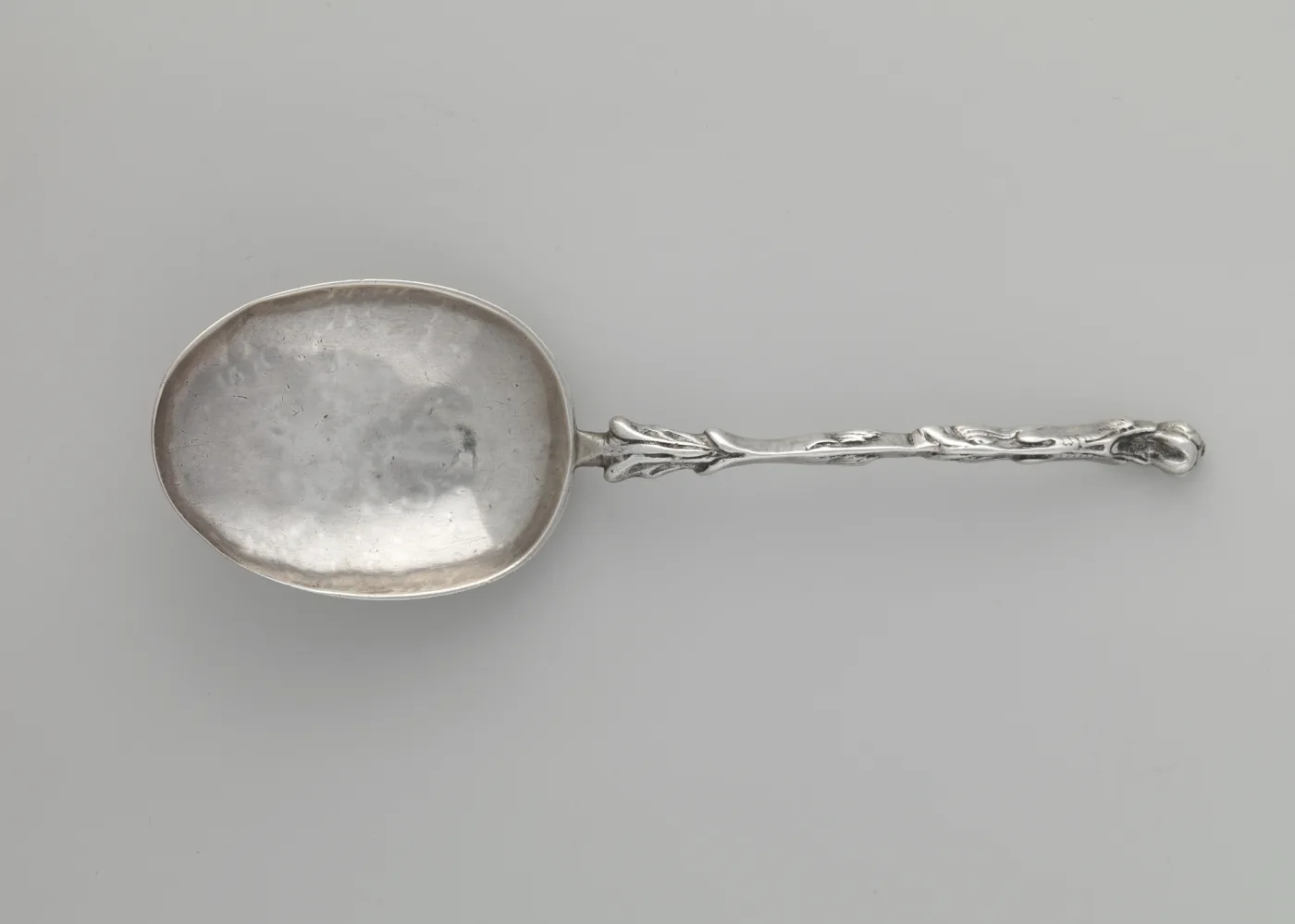
Distinguishing Sterling Silver (925) from Silver Plate
Many items marked EPNS (Electroplated Nickel Silver), Quadruple Plate, or Sheffield Plate are not solid sterling silver.
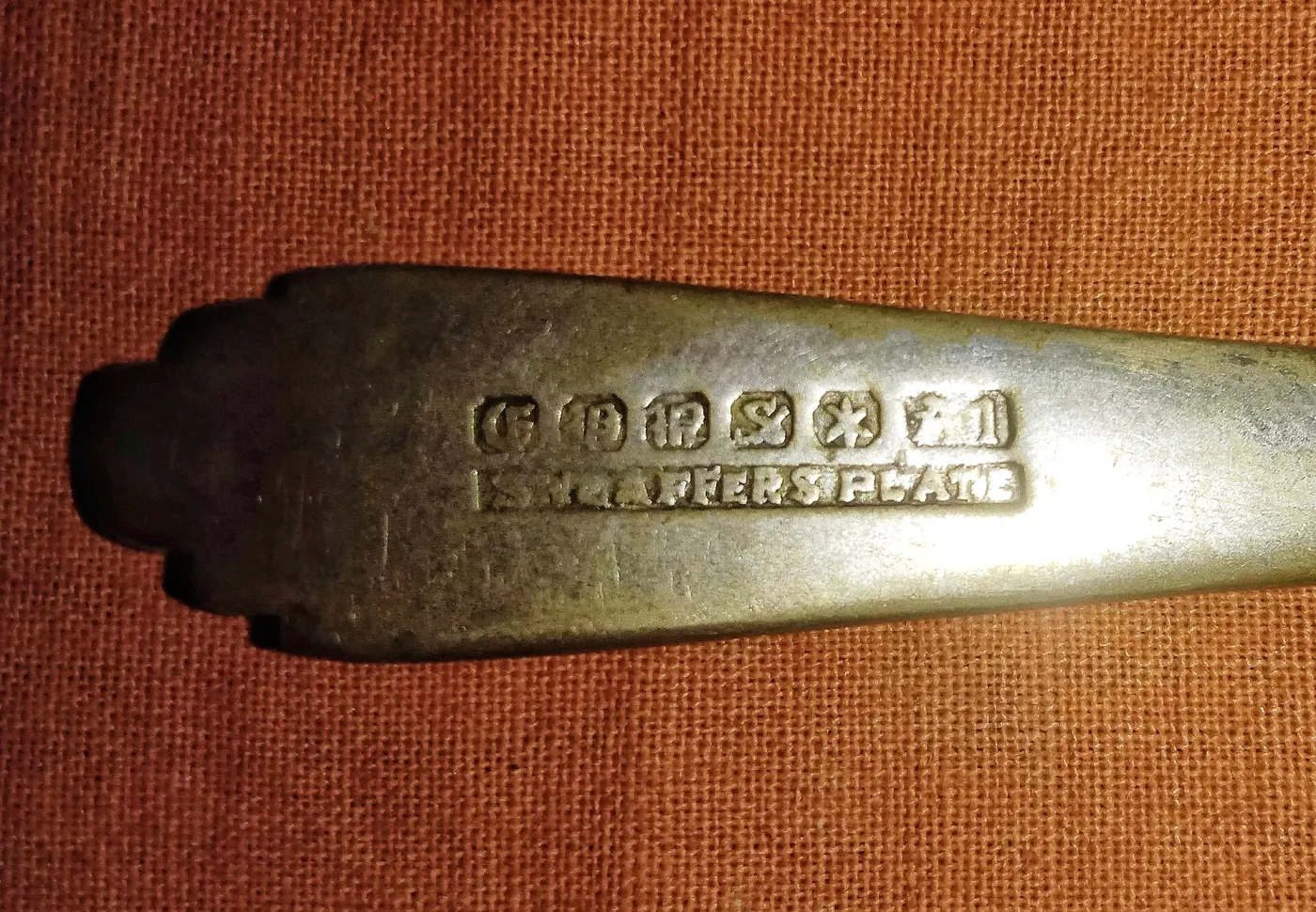

Expert Advice: Solid British sterling silver will always bear the Lion Passant or Britannia standard mark alongside a town mark. If an item only says “SILVER”, “925”, or “EPNS” without town marks, it is either non-British or silver-plated.
Frequently Asked Questions
What symbol represents sterling silver in British hallmarks?
The Lion Passant (a walking lion with one paw raised) is the traditional British mark signifying sterling silver (92.5% pure silver).
How do I date a piece of British silver by its letter mark?
British assay offices used a rotating alphabet cycle (A through Z) inside specific shield shapes. The font style, case, and shield background determine the exact year.
Identify Your Jewelry Piece Instantly
Unsure about a hallmark, gemstone cut, or metal stamp? Take a photo and get an instant AI analysis and appraisal.