Art Deco Engagement Ring Authentication & Identification Guide
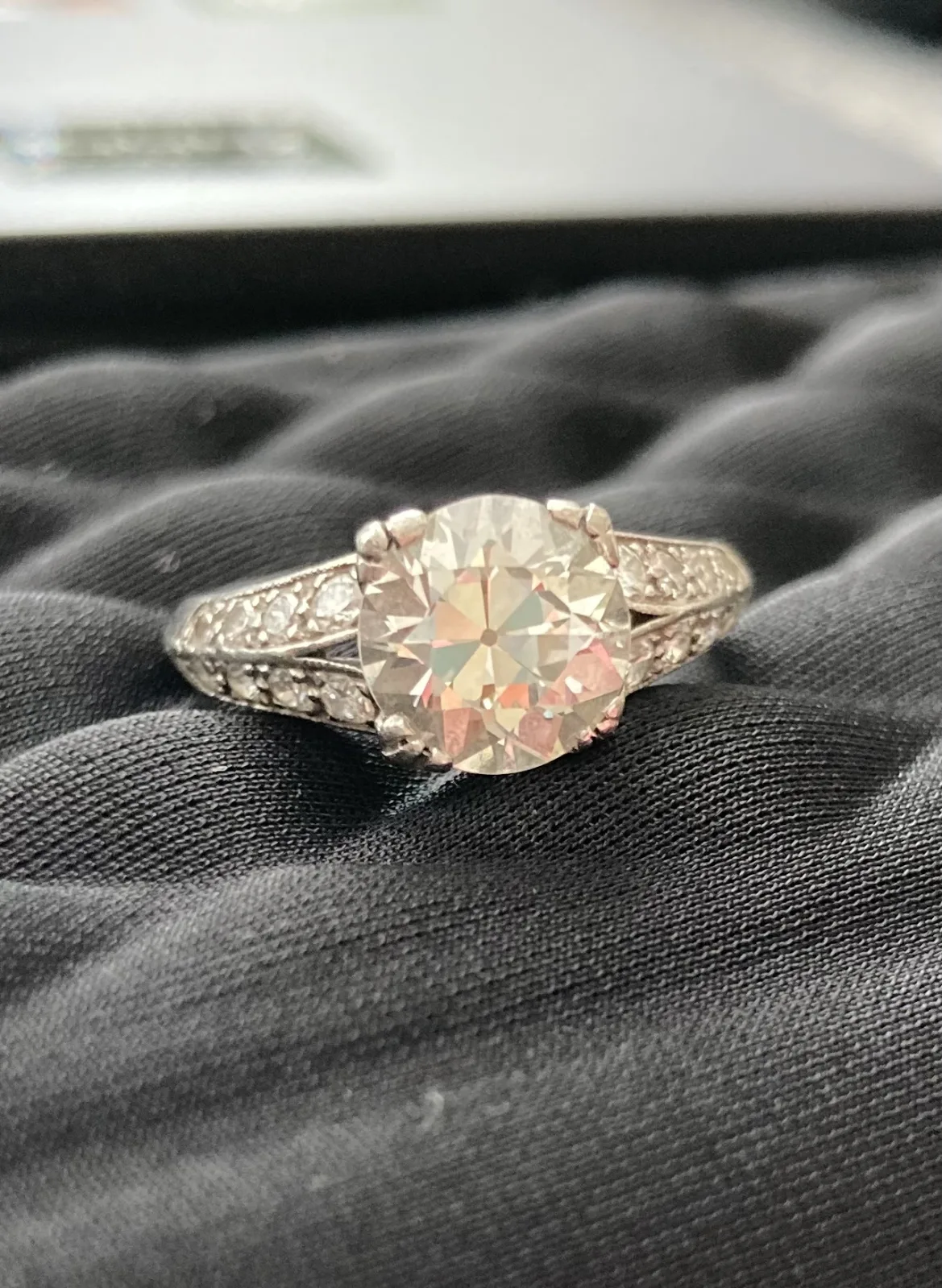
💡 Key Takeaways (Quick Reference)
- Era Span: 1915 to 1935 (Peak popularity in the 1920s).
- Hallmark Stamps: Usually stamped PLAT or 950 PLAT for platinum, or 18K / 750 for white gold. Check our Gold Karat & Metal Stamps Guide.
- Key Indicators: Hand-pierced geometric filigree, milgrain borders, and Old European Cut (OEC) diamonds.
Art Deco engagement rings from the 1920s and 1930s remain among the most coveted vintage jewelry pieces in the world. Characterized by bold geometric shapes, intricate filigree, platinum settings, and Old European Cut diamonds, these rings represent a high-water mark of craftsmanship.
Key Characteristics of Authentic Art Deco Rings
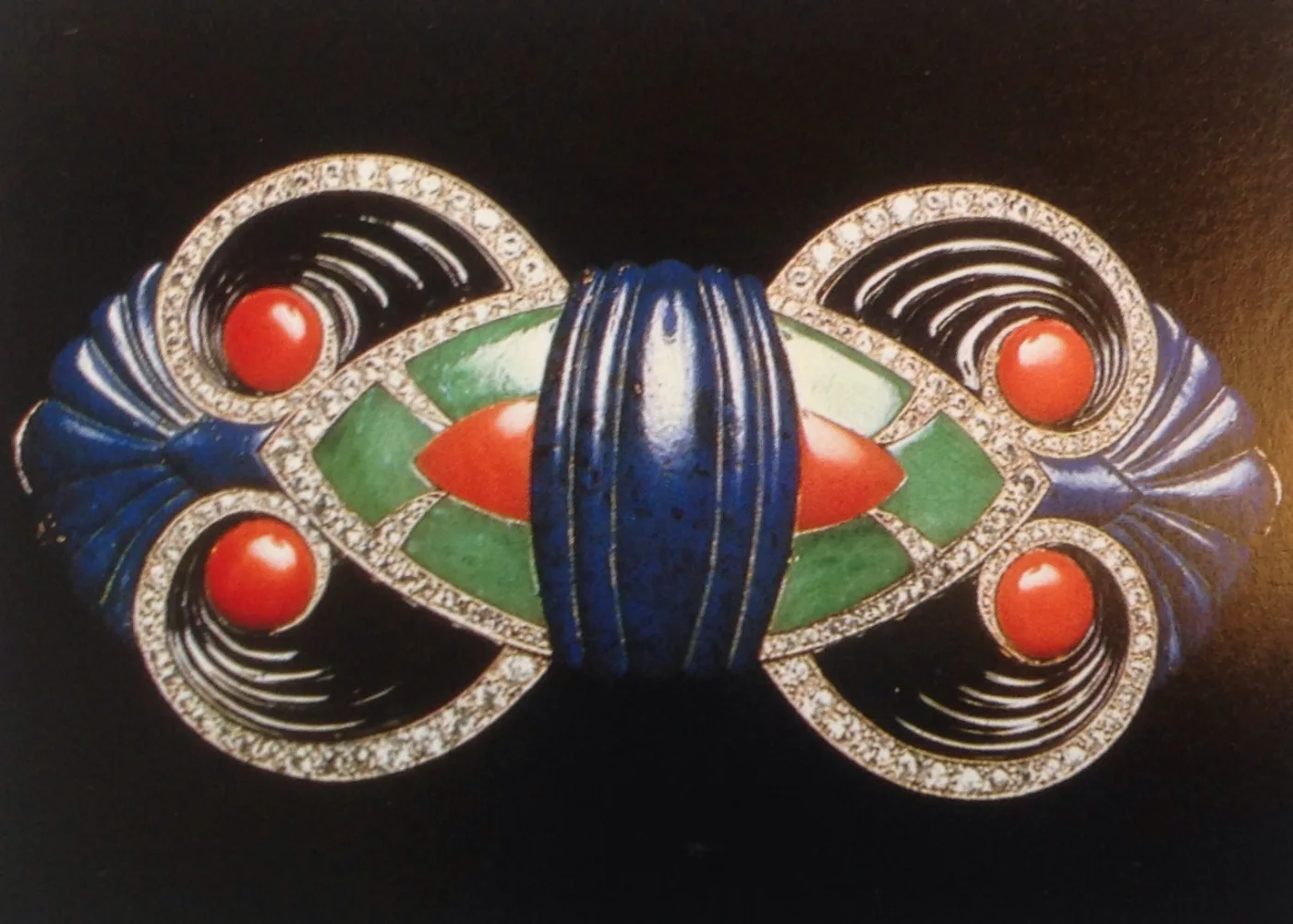
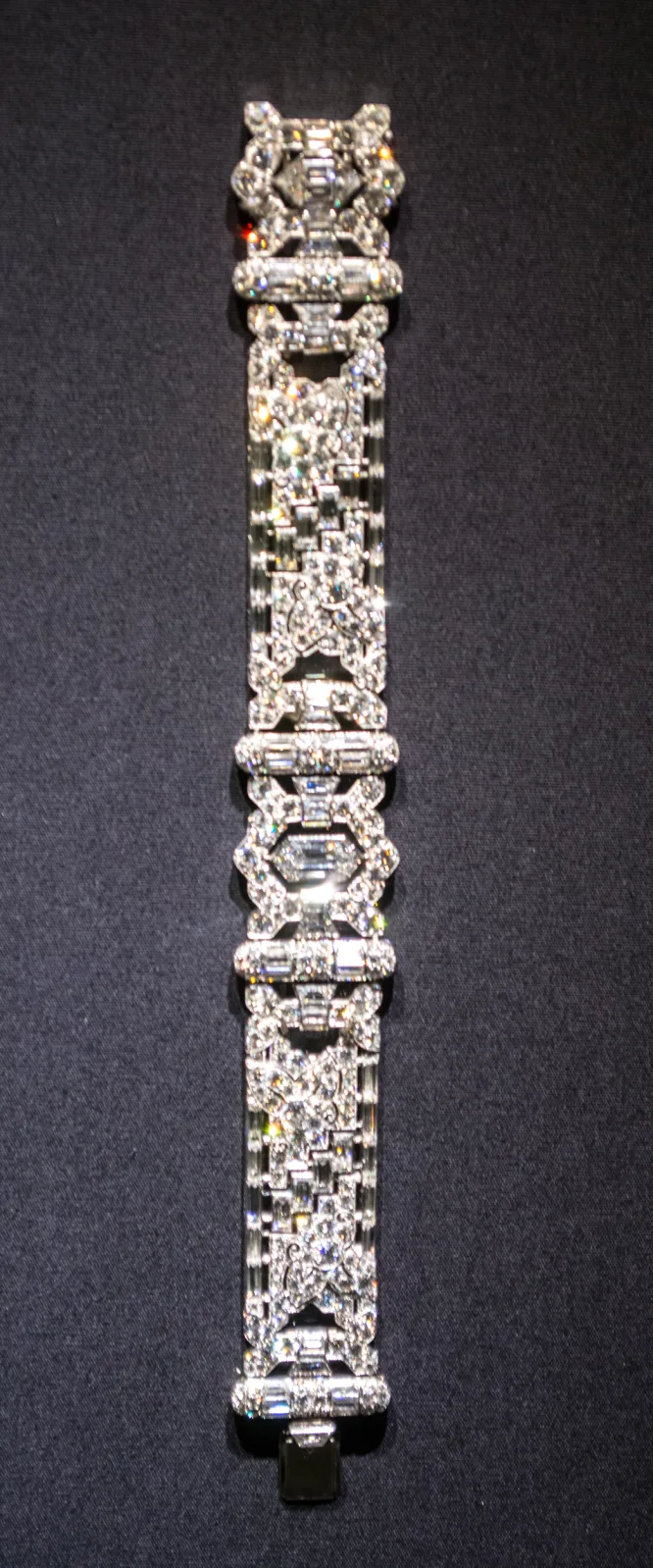
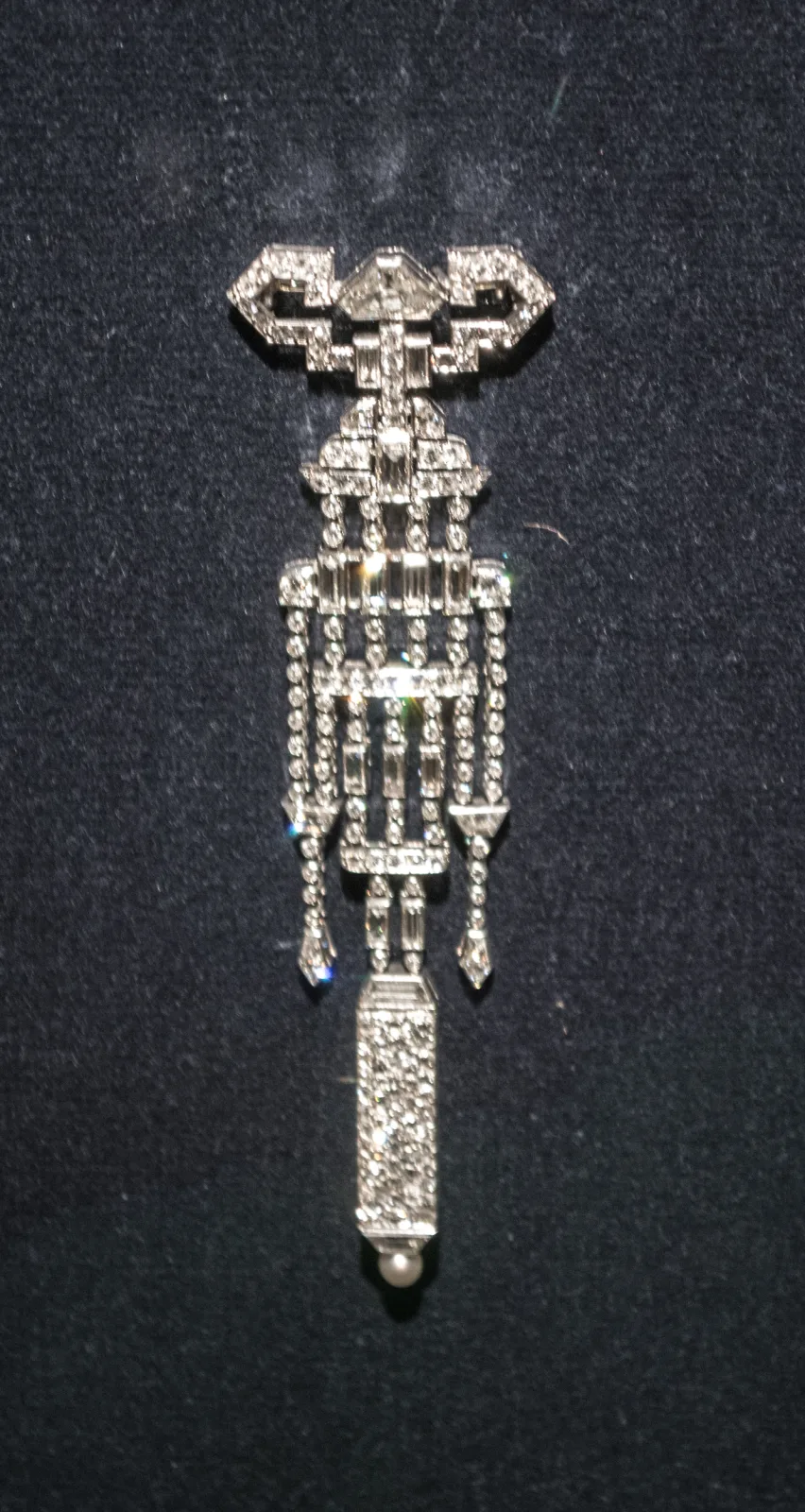
- Geometric Symmetry & Architectural Lines: Unlike the organic, sinuous whiplash curves of Art Nouveau jewelry, Art Deco design drew heavy inspiration from modern architecture, cubism, and machines. Look for octagonal bezels, stepped borders, and rectangular baguette accent stones.
- Platinum Construction & White Gold: The invention of the oxyacetylene torch in the early 20th century allowed jewelers to work with platinum’s high melting point. Check internal band stamps using our Gold & Platinum Purity Guide.
- Milgrain Edges: Milgrain (tiny beaded metal borders) frames gemstones and accentuates geometric borders. Authentic period milgrain is hand-tooled and slightly irregular under magnification.
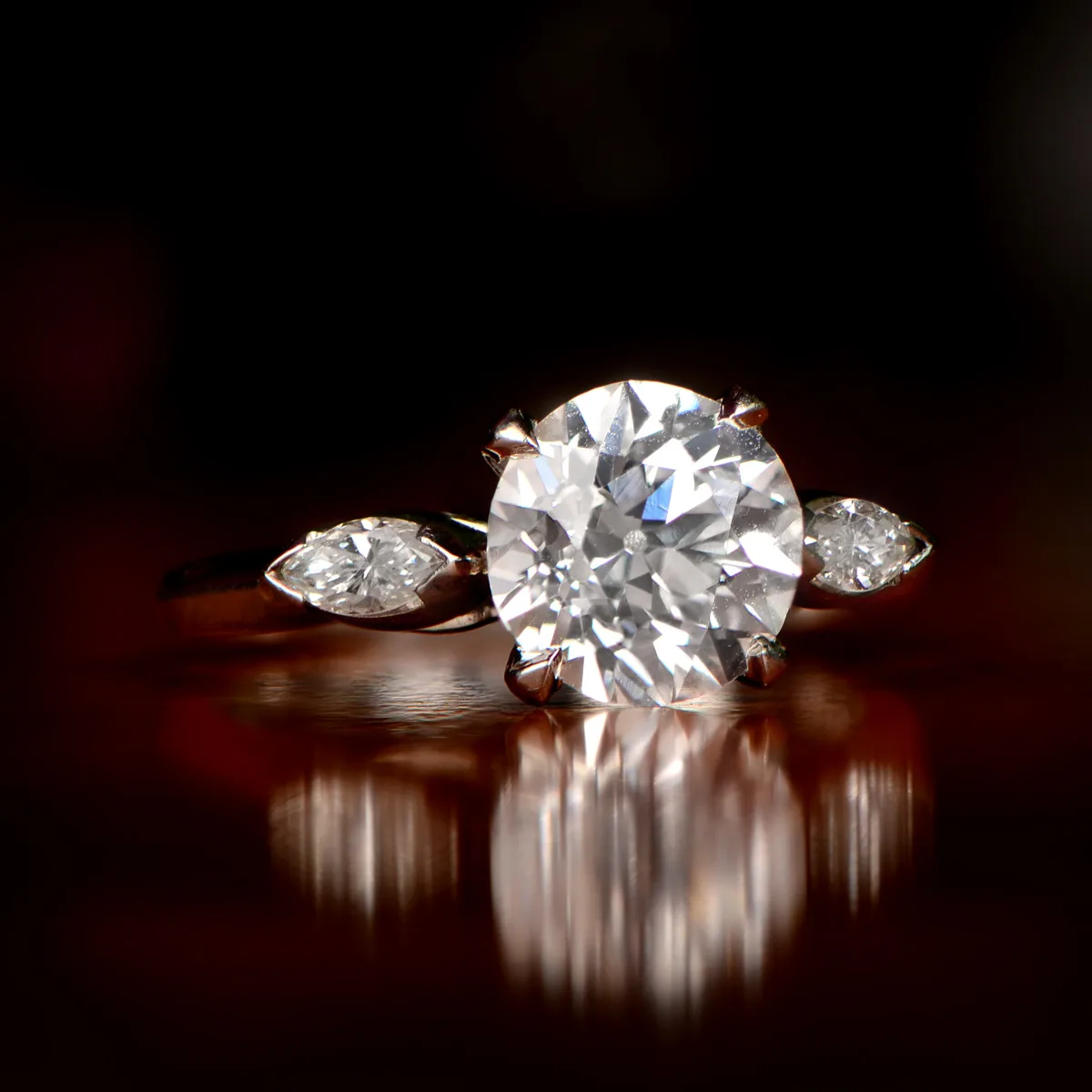
- Old Cut Diamonds: Look for Old European Cut (OEC) or Old Mine Cut diamonds with high crowns, small table facets, open culets, and warm color undertones.
.jpg)
.jpg)
Art Deco vs. Reproduction Rings
Because Art Deco styles are intensely popular, modern jewelers frequently cast reproductions. Here is how to distinguish original period pieces from modern cast replicas:
| Feature | Authentic Art Deco Ring (1920s–1930s) | Modern Reproduction |
|---|---|---|
| Filigree Work | Hand-pierced and wired; sharp inner edges | Cast from a mold; rounded, soft filigree edges |
| Wear & Patina | Soft natural wear inside the band; minor metal softening | Crisp machine finish; uniform polish everywhere |
| Diamond Cut | Old European Cut or antique step cuts | Modern Brilliant cut (58 precision facets) |
| Stamps | Period stamps (e.g., PLAT, 18K, or British Silver Marks) | Modern laser-engraved hallmarks or no wear |

Famous Art Deco Jewelry Houses
Rings stamped by premier jewelry houses of the era command significant auction premiums:
-
Cartier: Renowned for panther motifs, onyx & diamond contrasts, and flawless platinum filigree.
-
Tiffany & Co.: Famous for solitaire platinum settings and geometric side accents.
-
Van Cleef & Arpels: Pioneer of the mystery setting and geometric gemstone mosaics.
-
Boucheron & Mauboussin: Renowned French jewelry artisans who integrated carved materials similar to antique hardstone cameos.
.jpg)
.jpg)
Frequently Asked Questions
What era is Art Deco jewelry from?
The Art Deco period spanned from roughly 1915 through 1935, reaching its peak popularity in the 1920s.
Which diamond cuts were most common in Art Deco rings?
Old European Cut (OEC), Asscher cut, Emerald cut, Baguette, and Rose Cut diamonds were widely used in Art Deco designs.
Identify Your Jewelry Piece Instantly
Unsure about a hallmark, gemstone cut, or metal stamp? Take a photo and get an instant AI analysis and appraisal.