14K Yellow Gold: What Is in the Alloy and Why It Looks Paler
Identify Your Jewelry Piece Instantly
Unsure about a hallmark, gemstone cut, or metal stamp? Take a photo and get an instant AI analysis and appraisal.

💡 Key Takeaways (Quick Reference)
- 14k yellow gold is 58.3% gold. The rest is mostly silver and copper, usually with a little zinc.
- Copper pushes gold toward red, silver toward green and pale. Yellow gold is a balance of the two.
- There is no single 14k yellow recipe. Published formulas differ widely, which is why two 14k rings can be different shades.
- 14k is paler than 18k because it holds less gold, and harder-wearing for the same reason.
- Color never proves karat. Read the mark, then test.
What 14K Yellow Gold Is
Karat measures purity in twenty-fourths. 14 karat is 14 parts gold to 10 parts other metal, which is 58.33% gold by weight. European pieces state the same standard in parts per thousand as 585, a rounded figure for 14/24. Our gold purity stamps guide covers every common mark, and the 14k melt value guide turns that percentage into a price.
“Yellow” describes the alloy, not the gold. The same 58.3% of gold can be made yellow, rose, green or white depending on what fills the other 41.7%. Those other metals are what this guide is about.
In the United States the Federal Trade Commission’s jewelry guides allow an alloy to be called gold only with its karat in front of it (“14 Karat Gold”, “14K”), and only from 10 karat upward. Under the National Stamping Act, a piece stamped 14K may assay at most 3 parts per thousand below 583 if it contains no solder, and 7 parts per thousand below if the part tested contains solder. So genuine American 14k can test at roughly 580 or 576, and still be correctly marked.
What the Other 41.7% Does
The World Gold Council’s survey of colored gold alloys, by Cristian Cretu and Elma van der Lingen of the South African research body Mintek, puts it plainly: copper gives gold a reddish tint, and silver makes it greenish. A gold-alloy patent for 14k describes the same effect from the other side: replacing copper with silver, at the same gold content, moves a yellow alloy toward green-yellow. Yellow gold sits between the two, with enough copper to warm it and enough silver to keep it from turning pink.
Zinc is the third common ingredient, in small amounts: the patent range in the table below allows 2–7%.
There Is No Single 14K Yellow Recipe
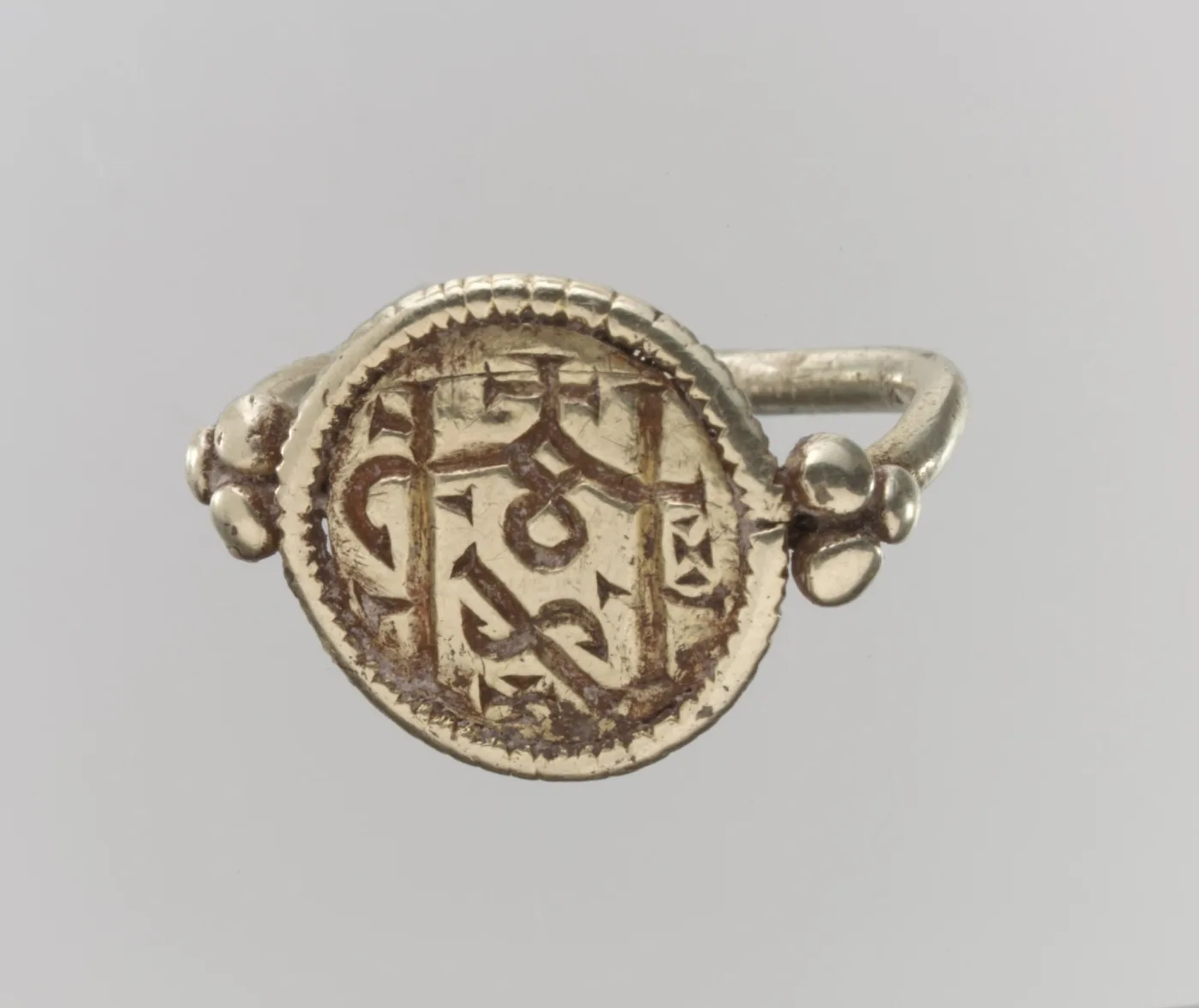
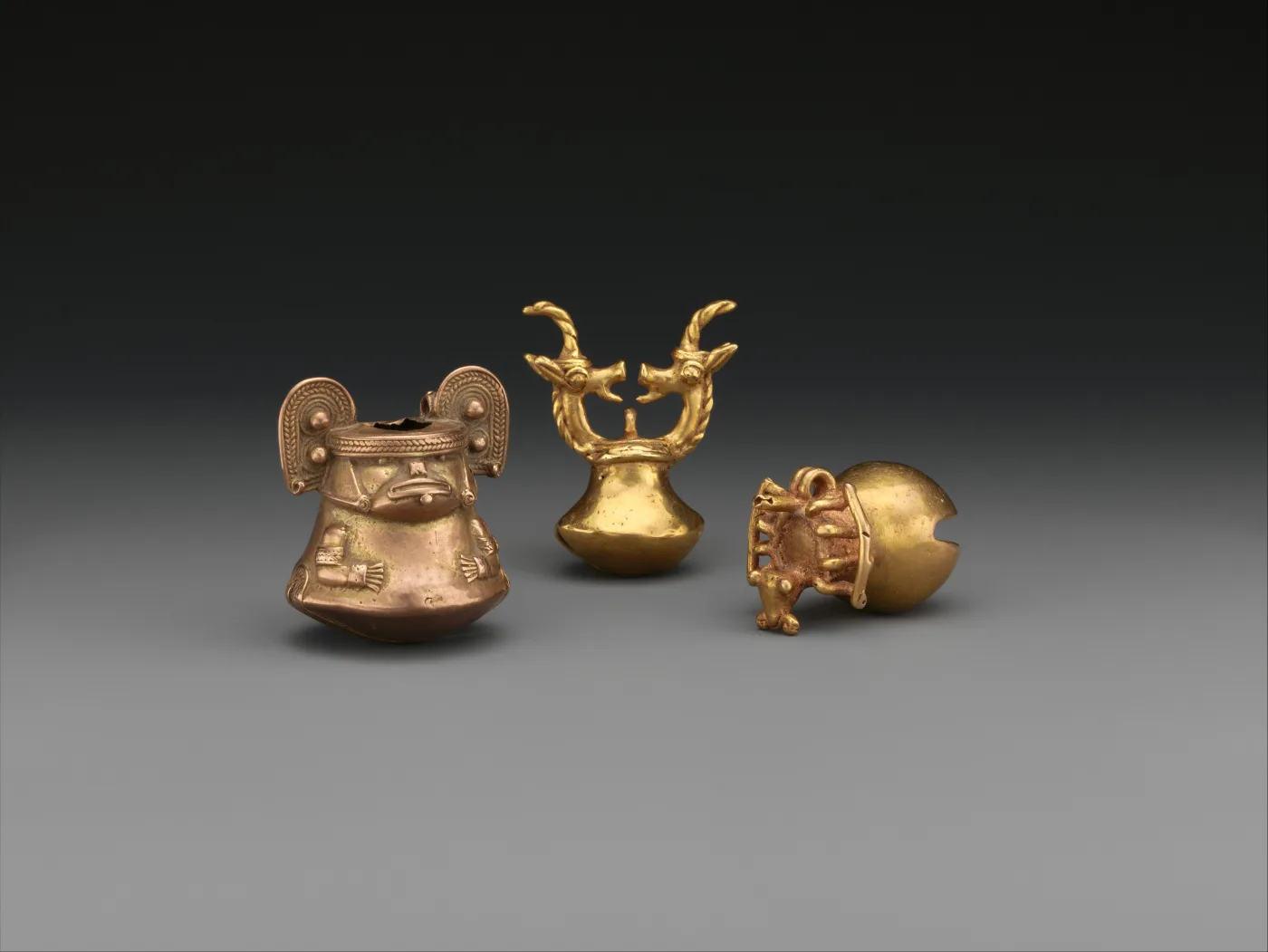
Every refiner balances silver and copper to its own taste, so 14k yellow is a family of alloys, not one metal. The published figures below all hold gold at 14 karat and still disagree widely on everything else. Each row is the source’s own figure.
| Alloy | Gold | Silver | Copper | Zinc | Source |
|---|---|---|---|---|---|
| 14k yellow, patent range | 58.65% | 11.5–25.0% | 11.85–23.35% | 2–7% | US Patent 6,676,776 |
| 14k pale “yellow polishing” | 58.3% | 25.0% | 16.7% | — | Gee’s 1929 alloy list, via Ganoksin |
| 14k “deep yellow” | 58.3% | 12.5% | 29.2% | — | Gee’s 1929 alloy list, via Ganoksin |
| 14k rose | 58.3% | ~9.7% | ~32% | — | Andrea Bonelli |
| 14k “ordinary red” | 58.3% | 6.7% | 35.0% | — | Gee’s 1929 alloy list, via Ganoksin |
| 14k “green” | 58.3% | 37.5% | 4.2% | — | Gee’s 1929 alloy list, via Ganoksin |
Read down the copper column and the pattern is clear: the same 58.3% of gold goes from green through pale yellow, deep yellow and rose to red as copper replaces silver. The silver and copper figures for “yellow” alone span more than a factor of two. That is why two honest 14k yellow rings from different makers, or from different decades, can sit side by side and not match.
White gold is the exception to the silver-copper scale. It is bleached with nickel or palladium instead, and is often rhodium-plated as well; our platinum vs. white gold guide covers how to tell it from platinum.
Why 14K Is Paler Than 18K
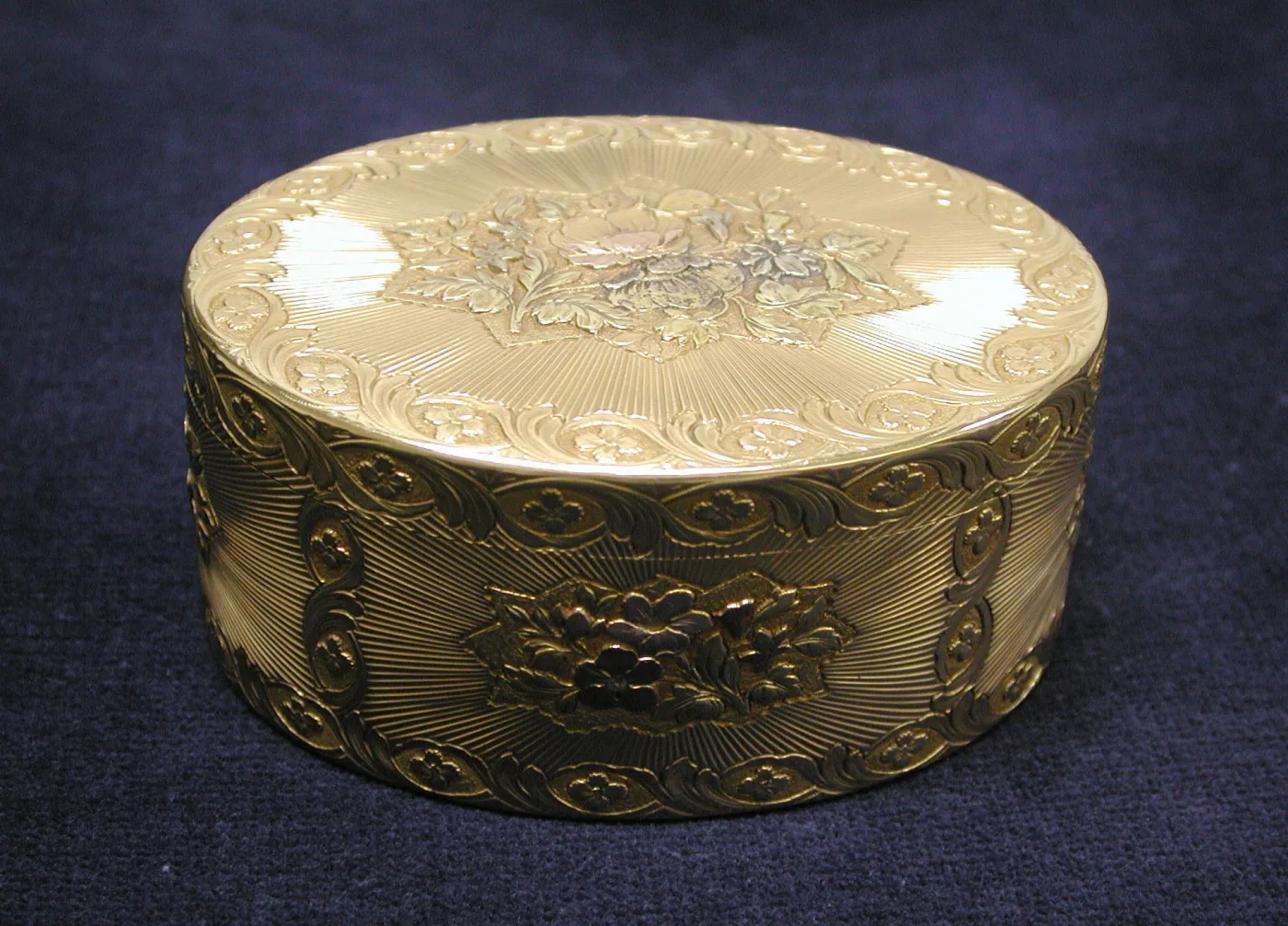
18k is 75% gold; 14k is 58.3%. With less gold and more of the other metals, 14k carries less of gold’s own deep yellow, and jewelers consistently describe 18k as the richer, more saturated color. The difference is easiest to see with the two side by side.
| Karat | Stamp | Gold content | Typical look in yellow |
|---|---|---|---|
| 10K | 417 | 41.7% | Palest; lowest karat sold as gold in the U.S. |
| 14K | 585 | 58.3% | Softer, lighter yellow |
| 18K | 750 | 75.0% | Richer, deeper yellow |
| 22K | 916 | 91.7% | Deep, saturated yellow |
The same arithmetic runs the other way for wear. The extra alloy in 14k makes it more resistant to scratches and bending than 18k, which matters most on rings and bracelets that take daily knocks.
Color Will Not Tell You the Karat
Because recipes vary so much, color cannot settle the karat of a piece. A copper-rich 14k can look as warm as a pale 18k. A gold-filled piece has a surface of real karat gold, so it shows the same color as solid gold of that karat. Lighting, polish and tarnish all shift what you see. At most, color tells you which questions to ask.
To identify a piece of yellow gold:
- Read the stamp. Look for 14K, 14KT or 585, a maker’s mark beside it, and any suffix such as GF or RGP that means gold-filled or plated.
- Test what the stamp claims. A touchstone and acid test, a density measurement, or XRF analysis will confirm the karat. Our guide to identifying gold karat without a stamp explains what each test can and cannot tell you.
- Then judge the color, as a description of the alloy, not a measure of its purity.
Frequently Asked Questions
What is 14 karat yellow gold made of?
14 karat yellow gold is 14 parts gold in 24, or 58.3% gold by weight. The other 41.7% is mostly silver and copper, usually with a little zinc. There is no single recipe: each refiner balances silver and copper to get its own shade of yellow.
Why does 14k yellow gold look paler than 18k?
18k is 75% gold and 14k is 58.3%, so 14k carries more of the other metals and less of gold's own color. Jewelers consistently describe 18k as a richer, deeper yellow. The exact shade of any piece also depends on its silver-to-copper balance.
Can you tell 14k from 18k gold by its color?
No. Two 14k recipes can look different from each other, and a copper-rich 14k can look as warm as some 18k. Color narrows the possibilities at best. Read the stamp, then confirm with an acid, density or XRF test.
Identify Your Jewelry Piece Instantly
Unsure about a hallmark, gemstone cut, or metal stamp? Take a photo and get an instant AI analysis and appraisal.