Platinum 950 vs. White Gold Identification & Valuation Guide
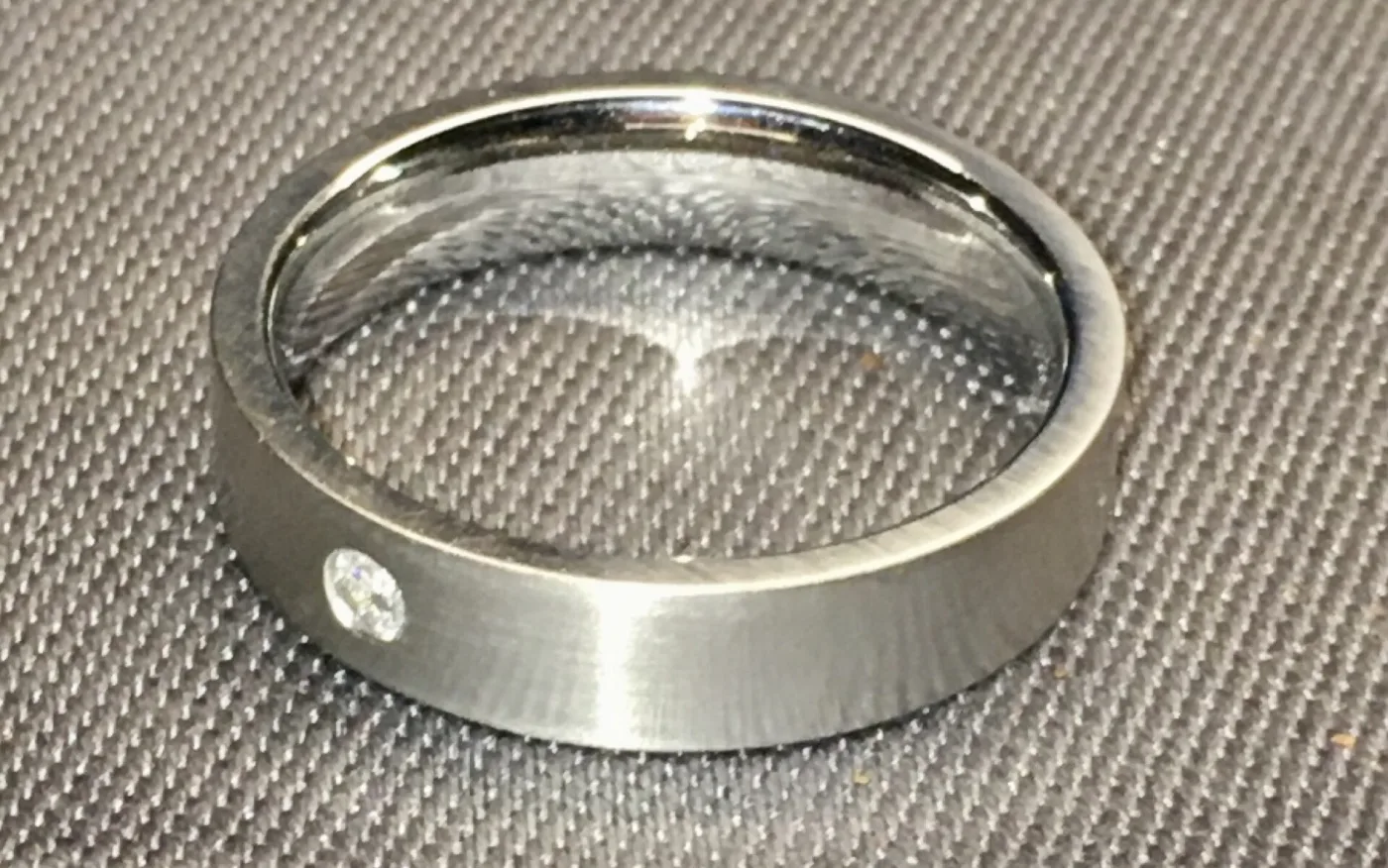
💡 Key Takeaways (Quick Reference)
- Density Test: Platinum is ~30% heavier in hand than white gold of identical volume.
- Purity Standard: Platinum jewelry is typically 95.0% pure (Pt950), whereas 18K white gold is 75.0% pure gold.
- Stamp Marking: Look for PLAT, Pt950, or French Dog Head marks for platinum vs. 14K / 18K / 750 for gold. Check our Gold Karat Hallmarks Guide.
- Patina vs. Wear: Platinum metal is displaced (forming a rich antique patina), while gold is gradually scratched away.
When evaluating fine engagement rings, antique brooches, or vintage luxury watch cases, distinguishing Platinum (950) from White Gold (14K or 18K) is one of the most critical steps in determining market valuation and restoration procedures.
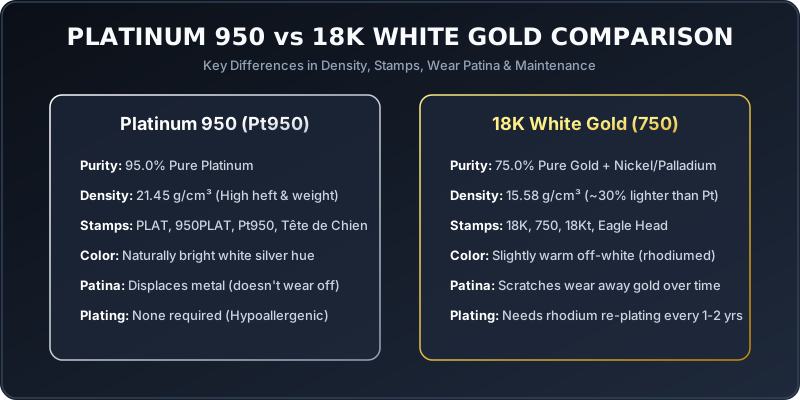
Technical Comparison Matrix: Platinum vs. White Gold
| Property | Platinum 950 (Pt950) | 18K White Gold (750) | 14K White Gold (585) |
|---|---|---|---|
| Pure Metal Content | 95.0% Pure Platinum | 75.0% Gold + Alloys | 58.5% Gold + Alloys |
| Specific Gravity (Density) | 21.45 g/cm³ (Ultra Heavy) | 15.58 g/cm³ | 12.60 g/cm³ |
| Melting Point | 1,768°C (3,214°F) | 920°C (1,688°F) | 880°C (1,616°F) |
| Common Hallmarks | PLAT, Pt950, 950PLAT, Dog Head | 18K, 750, 18Kt, Eagle Head | 14K, 585, 14Kt, 417 |
| Allergy Risk | Hypoallergenic | May contain Nickel | May contain Nickel |
| Maintenance Need | Polishing only (No plating) | Rhodium re-plating (1-2 yrs) | Rhodium re-plating (1-2 yrs) |
4 Easy Steps to Identify Platinum vs. White Gold
1. The Weight & Density Test (Heft Factor)
Because platinum has a density of 21.45 g/cm³ compared to 18K white gold (15.58 g/cm³), an experienced jeweler or appraiser can immediately tell the difference simply by feeling the item’s weight in hand. A heavy platinum band feels noticeably heftier than a light white gold equivalent.
2. Inspecting Internal & External Hallmarks
Hallmarks provide instant proof of metal content:
- Platinum Marks: Look for PLAT, PLATINUM, Pt950, 900Pt, or official European symbols like the French Dog’s Head or British Sterling Silver & Platinum marks.
- White Gold Marks: Solid white gold will be stamped with karat numbers (14K, 18K) or millesimal numbers (585, 750). Cross-reference with our Gold Purity Stamps Guide.
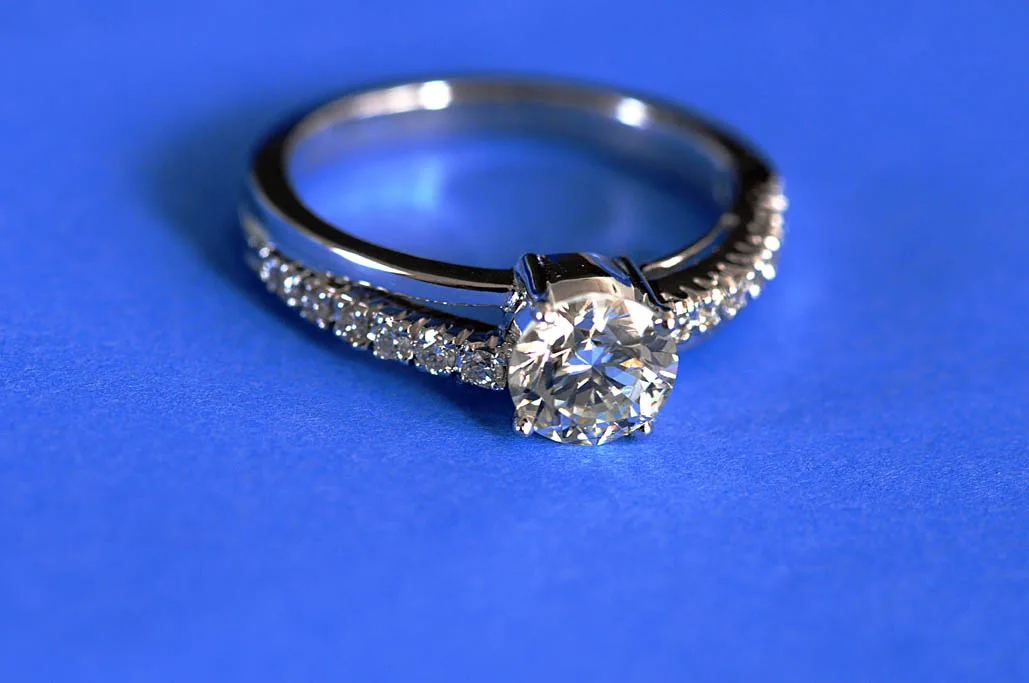

3. Color, Patina & Rhodium Plating Exposure
- White Gold: Naturally has a faint yellowish cast because gold is inherently yellow. Modern jewelers electroplate white gold with a microscopic layer of Rhodium to achieve a mirror-white finish. As rhodium wears off over 12–24 months, yellowish metal reveals itself along the bottom shank.
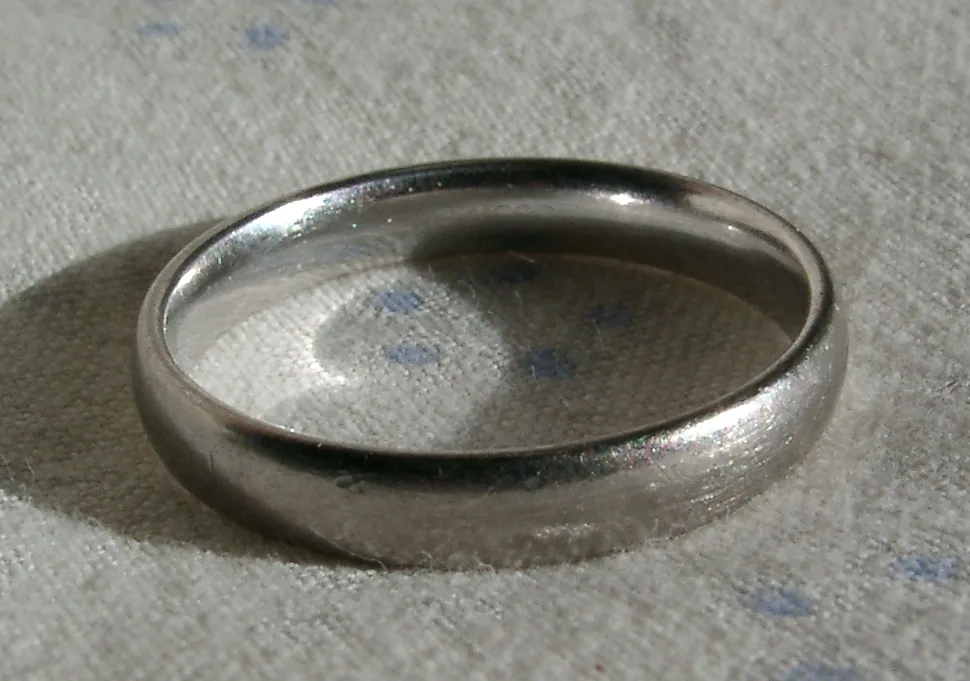
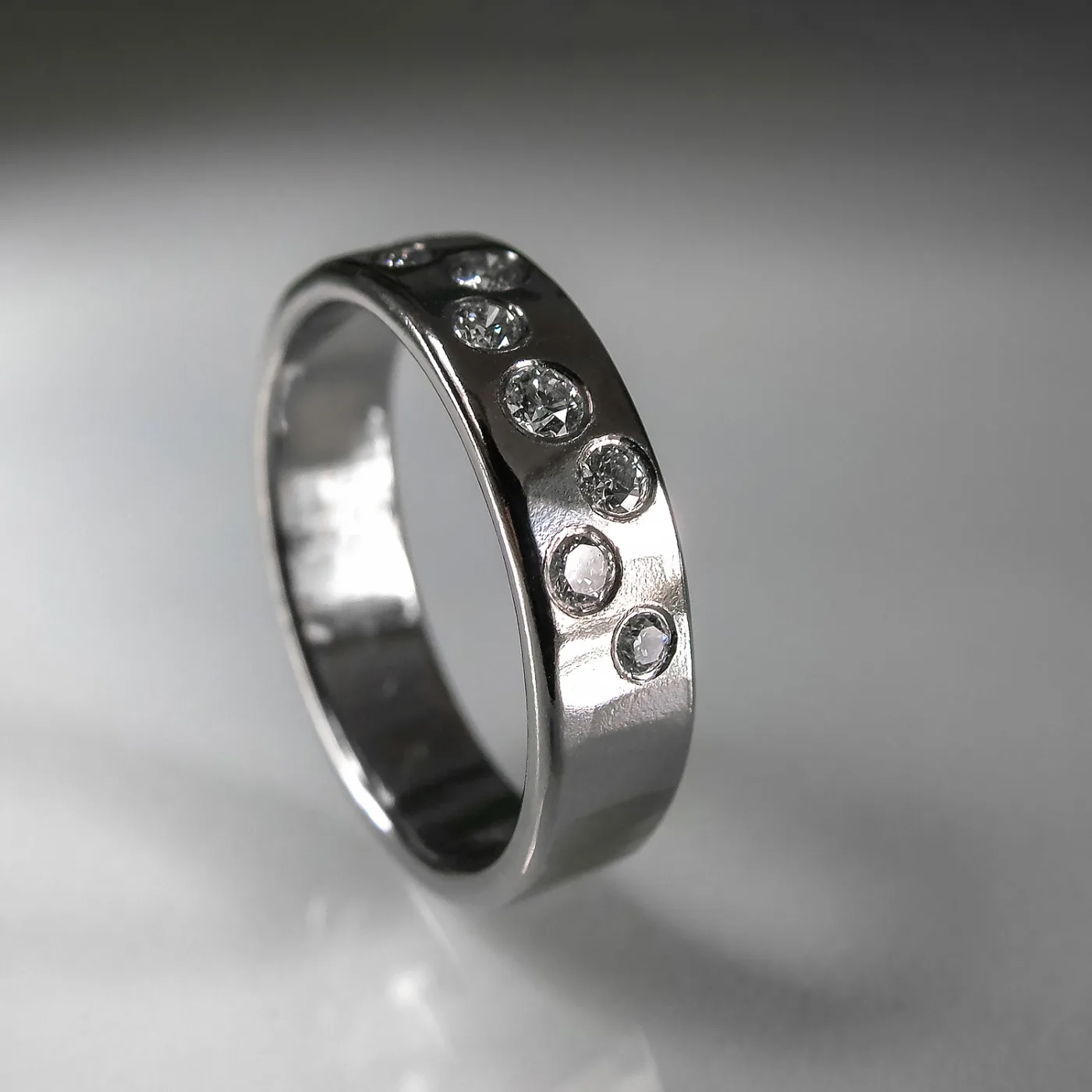
- Platinum: Naturally cool white grey. As platinum scratches, metal is not removed—it is simply pushed aside, creating a satin finish known as a patina, prized on authentic Art Deco rings.


4. Magnet & Touchstone Acid Testing
- Magnet Test: Neither solid platinum nor white gold should be strongly magnetic. (If a piece snaps strongly to a magnet, it is likely steel, iron, or nickel-based costume jewelry).
- Touchstone Acid Test: Platinum is un-reactive to 18K or 22K nitric acid test solutions, requiring specialized platinum acid testing reagents to dissolve.
Historical Era Relevance
-
Victorian & Edwardian (1880–1915): Early platinum was used as thin tops over yellow gold backings because jewellers lacked oxyacetylene torches to melt pure platinum.
-
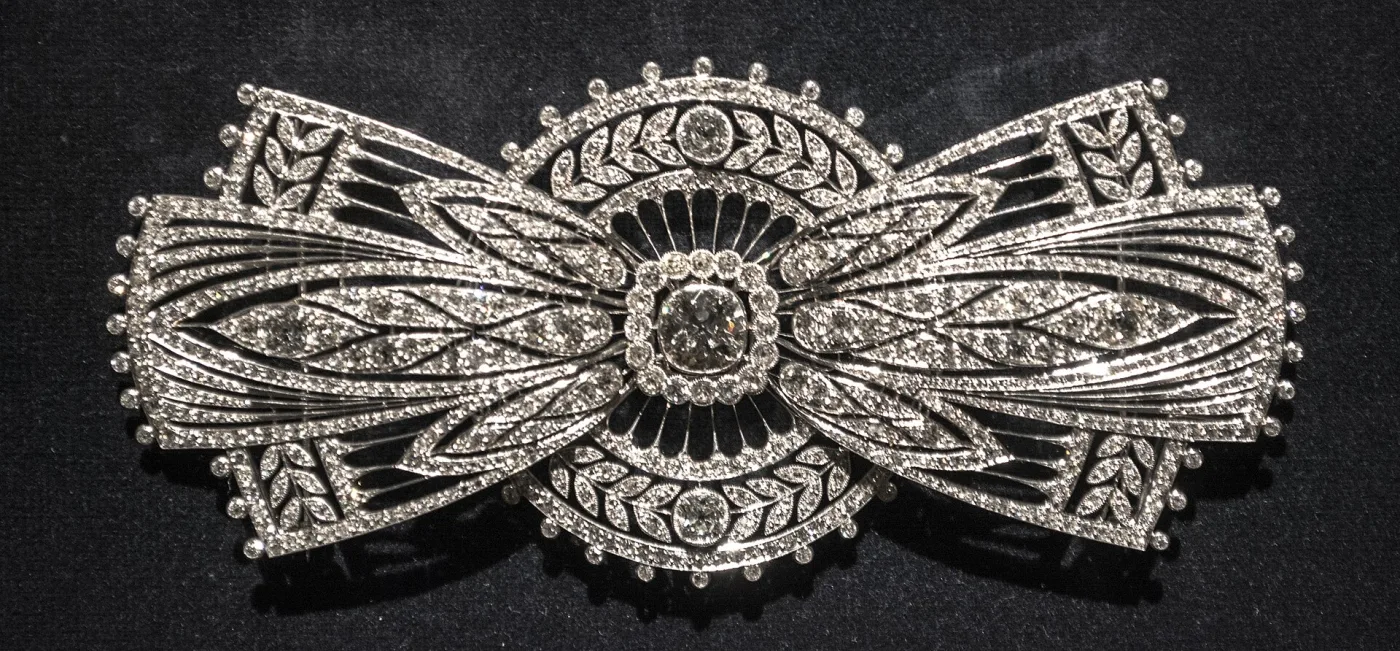
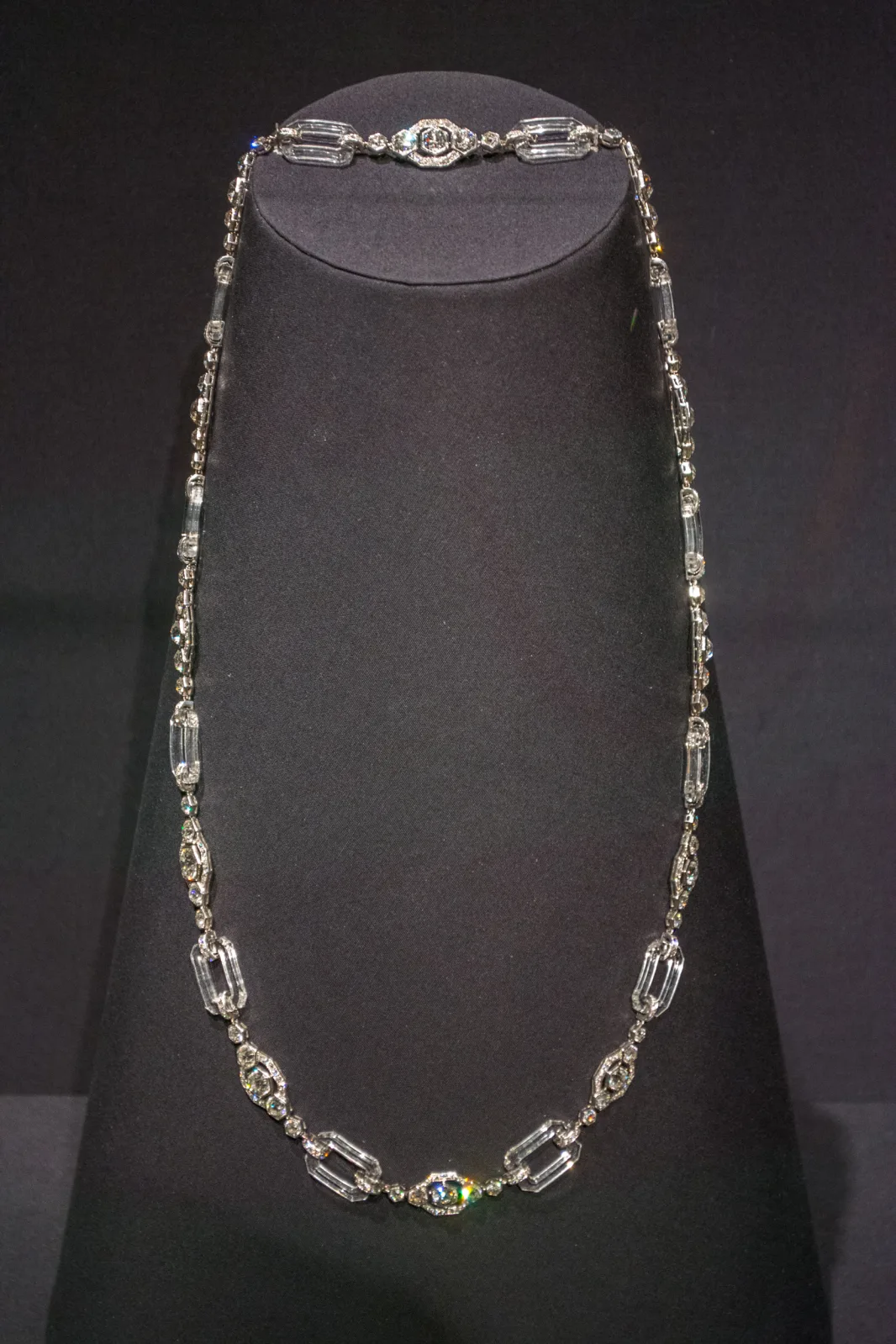
Art Deco Era (1915–1935): Platinum became the dominant precious metal for hand-pierced geometric filigree, as featured in our Art Deco Engagement Ring Guide.
-
World War II Era (1940–1945): Platinum was declared a strategic military metal, causing a surge in white gold production.
.jpg)
.jpg)
Frequently Asked Questions
Why is Platinum heavier than White Gold?
Platinum is naturally a dense precious metal with a density of 21.45 g/cm³, making it roughly 30% heavier than 18K white gold of the exact same dimensions.
Does Platinum change color over time?
No, platinum is naturally white and will never turn yellow. Over time, it develops a soft matte finish called a patina, whereas white gold wears down to reveal yellow gold undertones.
What stamps are used for Platinum jewelry?
Common platinum hallmarks include PLAT, 950PLAT, Pt950, 900Pt, or historical national marks like the French Tête de Chien (Dog's Head).
Identify Your Jewelry Piece Instantly
Unsure about a hallmark, gemstone cut, or metal stamp? Take a photo and get an instant AI analysis and appraisal.