White Gold vs Yellow Gold: Same Karat, Different Alloy
Identify Your Jewelry Piece Instantly
Unsure about a hallmark, gemstone cut, or metal stamp? Take a photo and get an instant AI analysis and appraisal.

💡 Key Takeaways (Quick Reference)
- Same karat, same gold. 18K white and 18K yellow are both 75% gold; 14K of either color is 14/24, about 58.3%, stamped 585.
- The stamp does not record color. 18K or 750 means the same on a white ring and a yellow one.
- The difference is the rest of the alloy. Silver and copper keep gold yellow; nickel or palladium bleach it.
- Bare white gold is not pure white. Most white gold is plated with rhodium, which is why worn white gold shows a warm tone.
- Melt value follows the gold, not the color.
“White gold or yellow gold?” sounds like a question about two different metals. It is not. Both are gold alloys, and at the same karat they contain exactly the same proportion of gold. What separates them is the metal that makes up the rest of the alloy, and the plating that usually goes over white gold. This guide sets the two side by side so you can read a piece correctly. For wedding bands specifically, see our white gold wedding band guide.
Same Karat, Same Gold
Karat measures how much of an alloy is gold, in twenty-fourths. 18 karat is 18 parts in 24, or 75% gold; 14 karat is 14/24, about 58.3%, which the European fineness system stamps as 585. That arithmetic is the same whatever the color. The UK Assay Offices put it plainly: the fineness mark is a number in parts per thousand, and the shape around it shows which precious metal it is. Nothing in the mark shows color. A white and a yellow ring stamped 750 hold the same gold. Our gold purity stamps guide lists every common mark.
What the Rest of the Alloy Is
Gold on its own is yellow at every karat. The color of a gold alloy comes from what is mixed with it.
- Yellow gold is balanced with silver and copper, often with a little zinc. Copper alone pushes gold toward red, silver toward a pale green-yellow; our 14k yellow gold guide shows both effects.
- White gold needs a metal that actually bleaches gold’s color. The two that do it in practice are nickel, the commonest and cheapest, and palladium, a platinum-group metal that costs more. Silver whitens only weakly, and copper does not whiten at all: it is added to white gold to make it easier to work.


| Yellow gold | White gold | |
|---|---|---|
| Gold content at 18K / 14K | 75% / 58.3% | 75% / 58.3% |
| Stamp | 18K, 750 / 14K, 585 | 18K, 750 / 14K, 585 |
| Main alloy metals | silver, copper, a little zinc | nickel or palladium, plus silver, copper or zinc |
| Usual surface | the alloy itself, polished | rhodium plating over the alloy |
| Color as worn | stays the same as it wears | warmer where the plating wears through |
| Nickel | not used as a whitener | common in nickel white gold |
| UK minimum solder (585–750) | the article’s own fineness | 500 |
Why Worn White Gold Looks Warmer
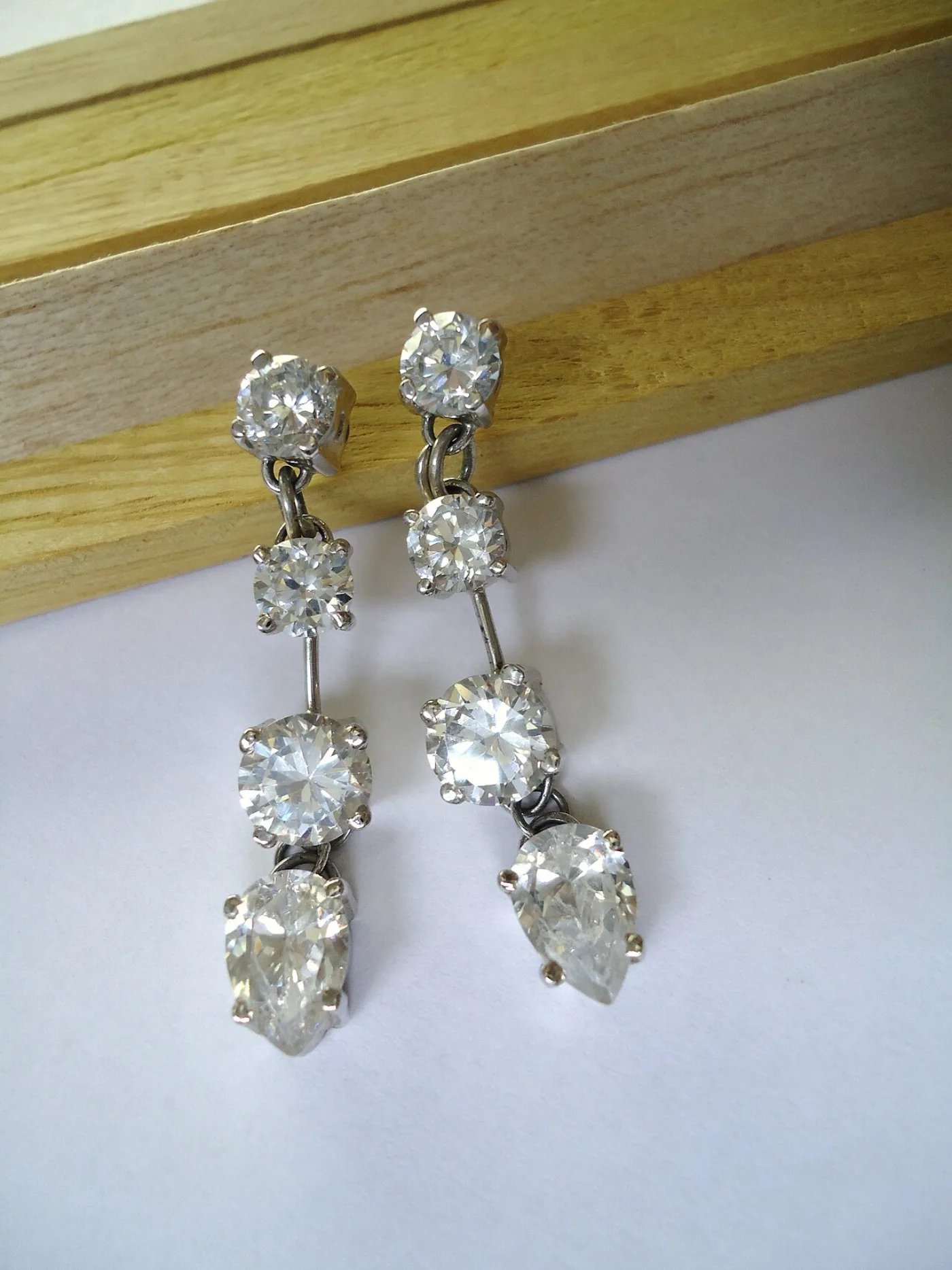
Even a well-made white gold alloy is not as white as platinum or rhodium, because the gold in it is still yellow. Most white gold is therefore electroplated with a thin coat of rhodium, and that is the bright surface you see on a new piece. Under the trade’s White Gold Task Force guidelines, only the whitest grade of alloy needs no plating, and the yellowest must be plated. The grading scale is set out in our wedding band guide.
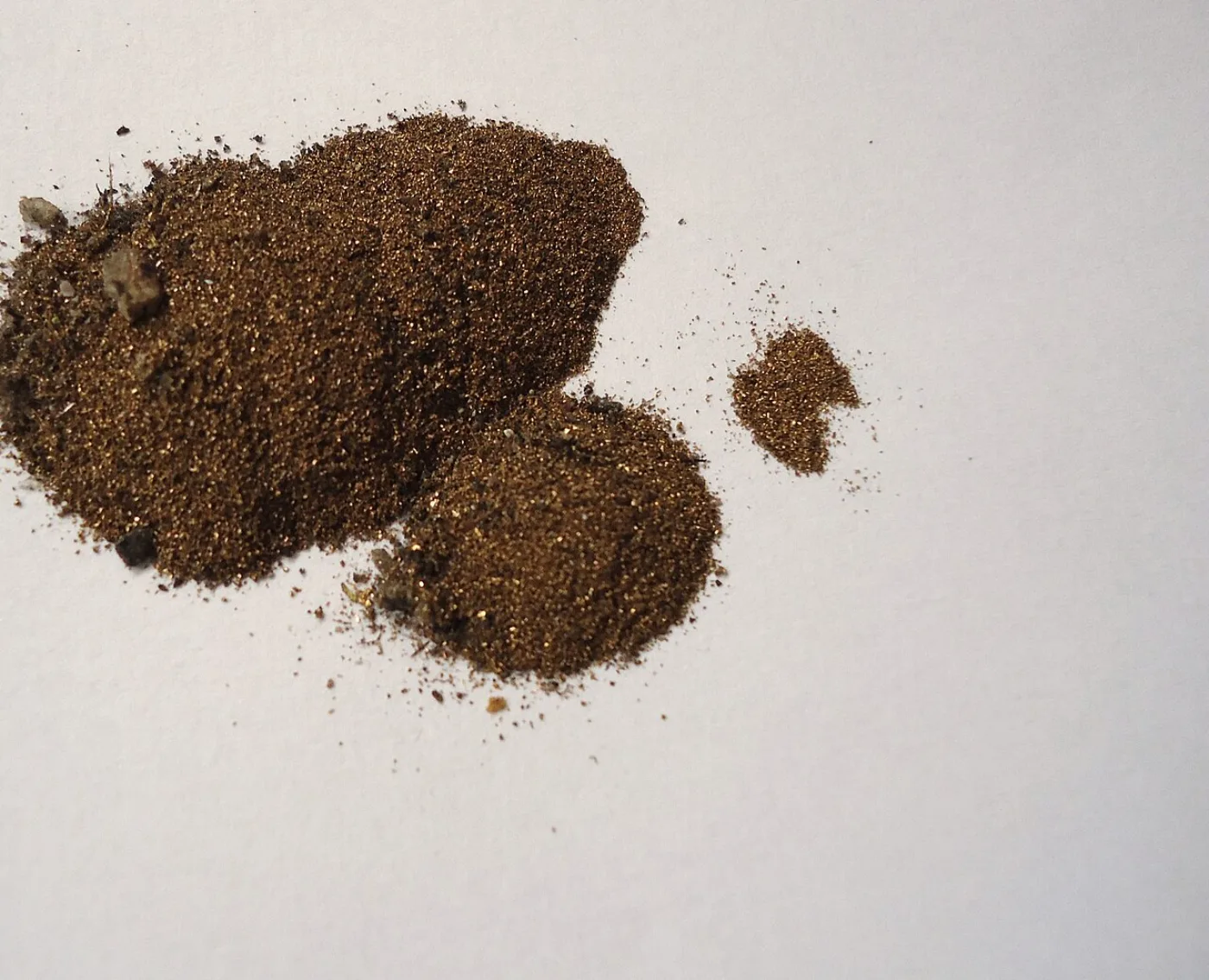
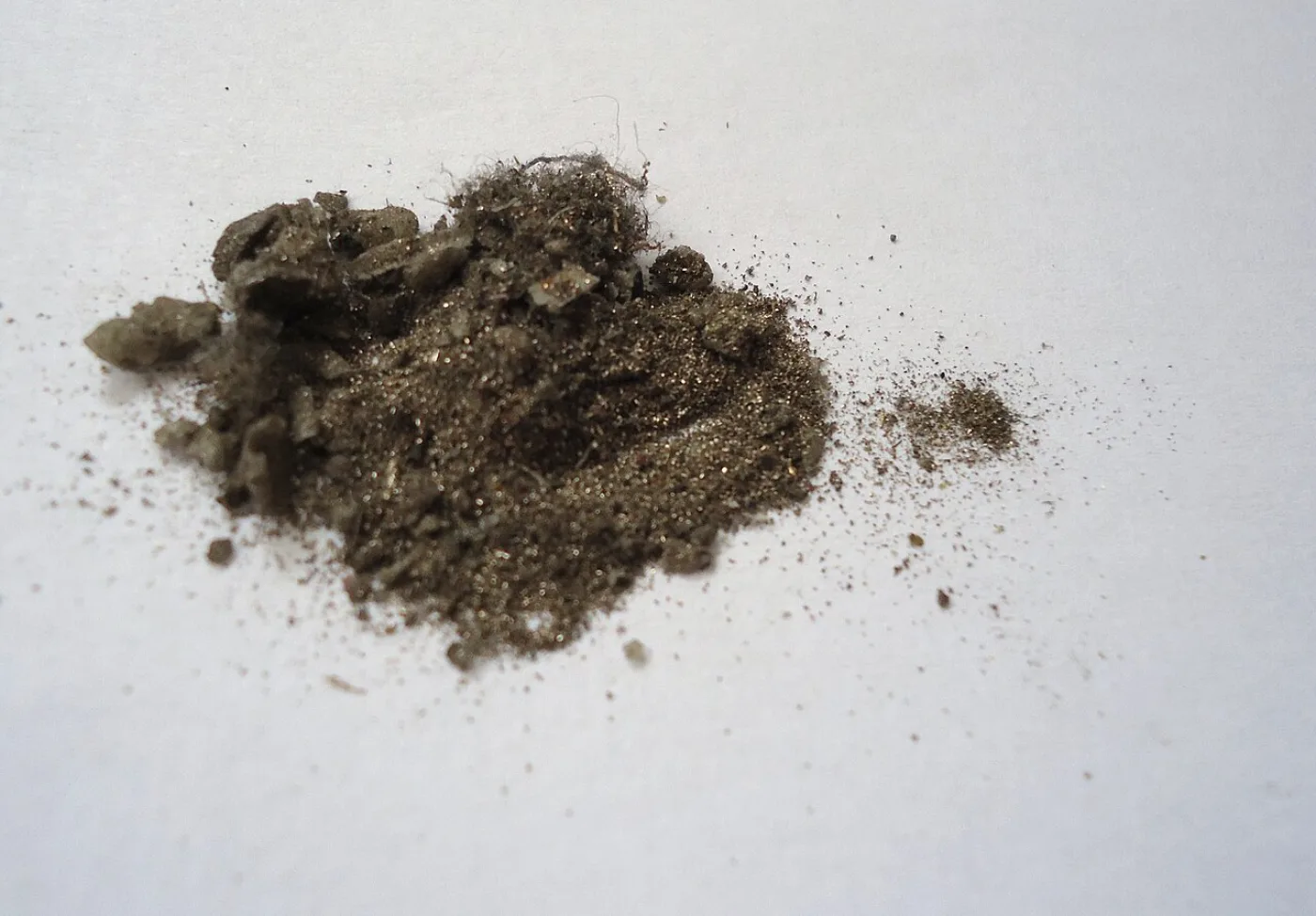
So the bare metal of a white gold piece is a soft grey-white, like the filings and solder shown on this page, and plated white gold that has worn looks faintly warm or greyish at the edges and underside. That is the alloy showing, not a sign that the piece is fake or that it was “really” yellow gold.
Yellow gold is normally finished by polishing rather than plating, so it wears without changing color.

Hardness and Wear
Nickel white gold is a hard, strong alloy, which suits ring shanks and the pins of brooches. Palladium white golds are softer and more pliable, which suits them to gemstone settings. Neither color is simply “stronger”: hardness depends on the particular alloy, so ask what whitener a white gold piece uses before comparing it with yellow.
Solder: A Rule Only White Gold Gets
Joints in gold jewelry are made with solder, an alloy of gold that melts a little lower than the piece itself. Under the UK Hallmarking Act 1973, solder in a gold article must normally be at least as fine as the article. White gold has an explicit exception: in white gold between 585 and 750, the solder may be as low as 500. Yellow and red 585 have no such allowance, and a 750 article that is not white gold needs 750 solder (740 for filigree and watch cases).
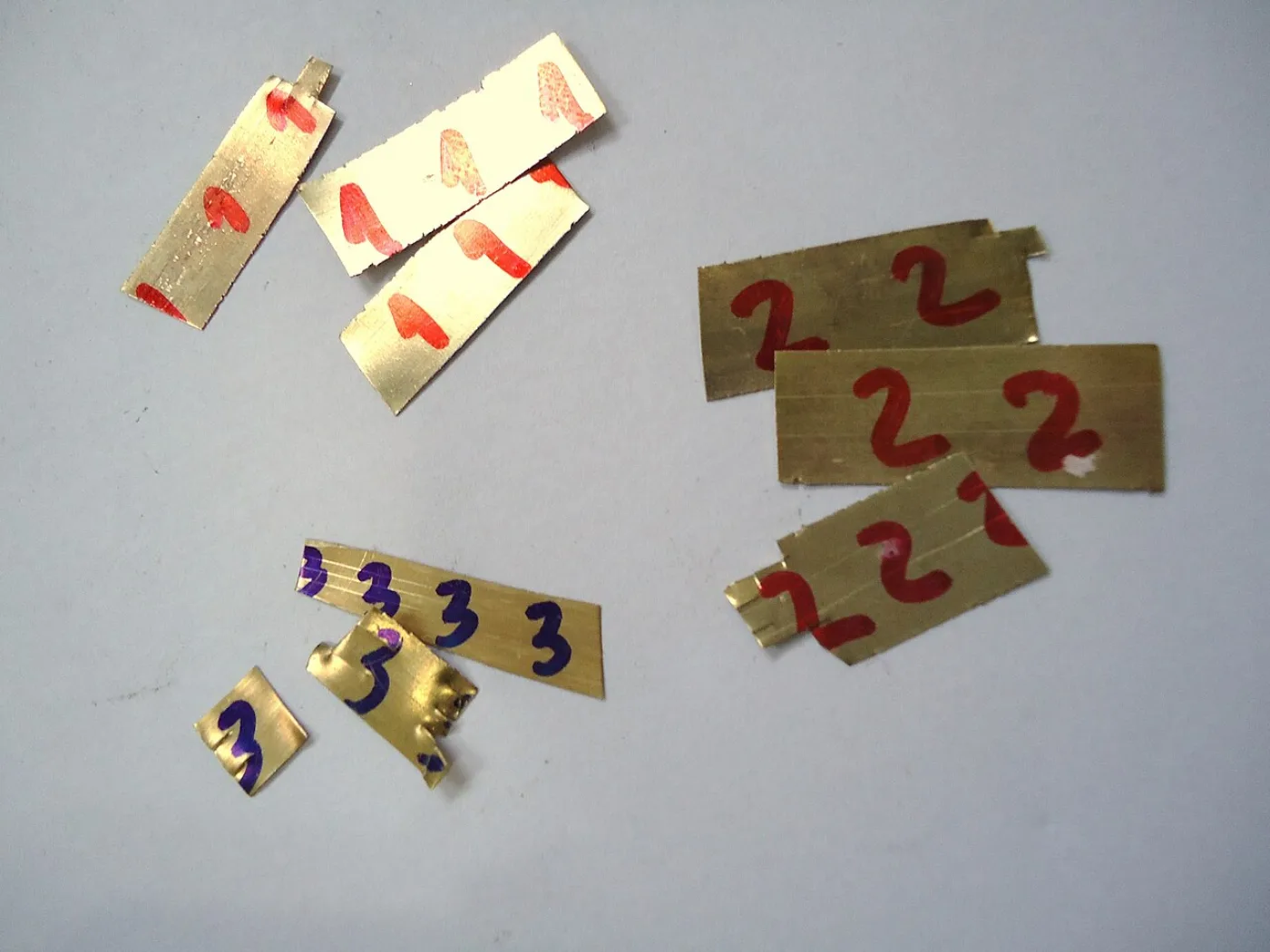

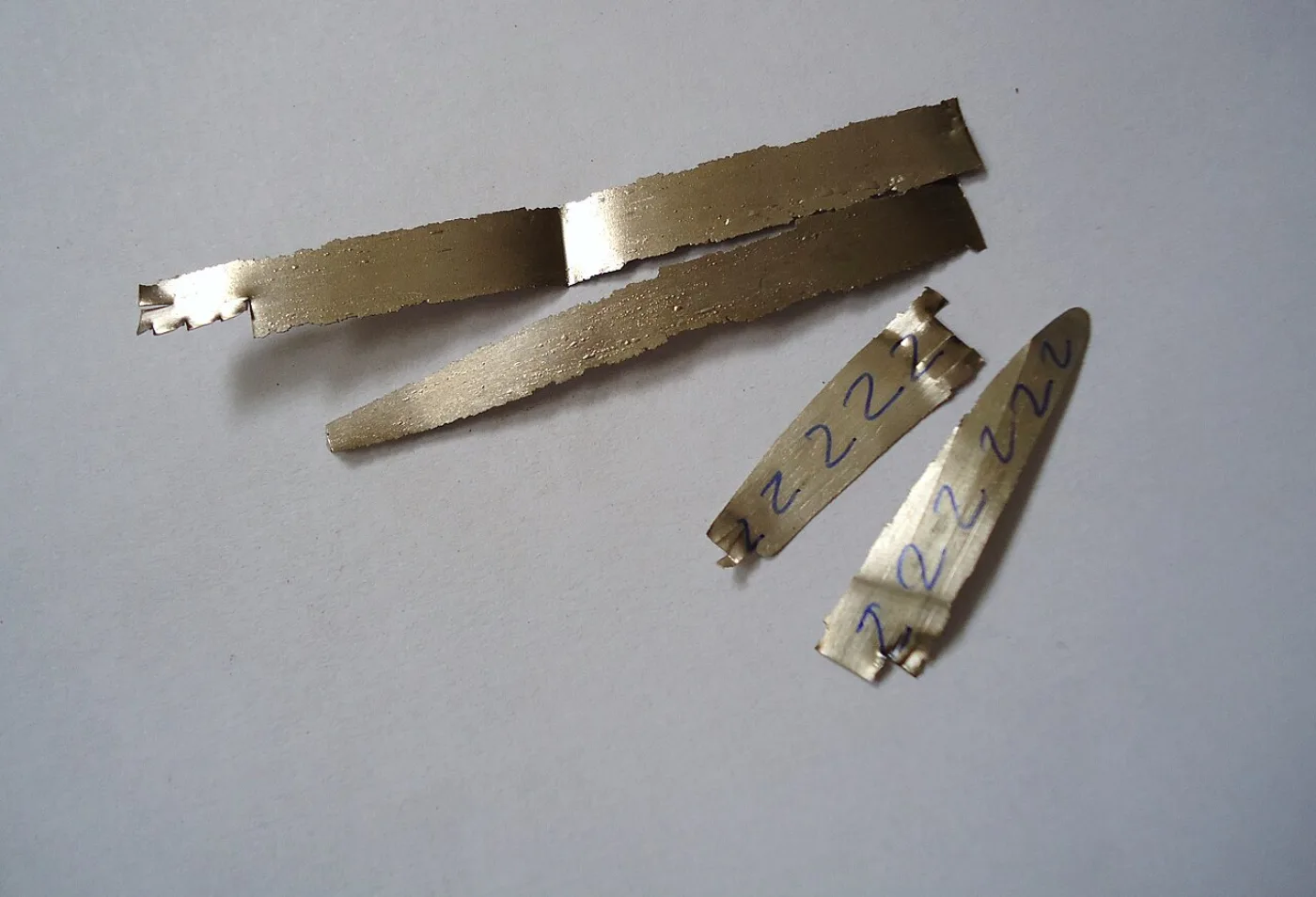

In practice this means a UK-hallmarked 18K white gold piece may contain joints of lower fineness than its mark, entirely legally.
Nickel and the Skin
Nickel is a common cause of allergic contact dermatitis, and the stamp does not say whether a white gold piece contains it: 18K covers nickel and palladium alloys alike. In the European Union, jewelry in prolonged skin contact may not release more than 0.5 µg/cm² of nickel per week, and posts inserted into pierced ears or other piercings no more than 0.2 µg/cm² per week, under REACH Annex XVII entry 27.
How to Tell Which You Have
- Read the stamp for the karat, and accept that it will not tell you the color.
- Look at the wear points: the underside of a ring shank, prong tips, an earring post. Warmer metal showing through a bright white surface is worn rhodium on white gold.
- Look for a two-tone build. Some pieces combine both colors, such as white gold prongs on a yellow gold ring. Only the white parts will show plating wear.
- Test, if the value matters. Acid, density and XRF tests read gold content regardless of color; our guide to identifying gold karat without a stamp explains each.
As metal, the two are worth the same: gold buyers and refiners pay on gold content and weight, and they melt white and yellow scrap together.
Frequently Asked Questions
Is white gold worth more than yellow gold?
Not as metal. A 14K white piece and a 14K yellow piece hold the same proportion of gold, and gold buyers pay on the gold content and weight, not the color. A finished white gold piece can cost more to buy, because palladium alloys and rhodium plating add cost, but that does not raise its melt value.
Is white gold real gold?
Yes. White gold is real gold alloyed with whitening metals, usually nickel or palladium. An 18K white gold piece is 75% gold, exactly like 18K yellow gold, and it carries the same 18K or 750 stamp.
Can you tell white gold from yellow gold by the stamp?
No. A karat or fineness mark records how much gold the alloy contains, not its color. 14K, 585, 18K and 750 appear on white and yellow gold alike. The color comes from the other metals in the alloy, which the stamp does not name.
Identify Your Jewelry Piece Instantly
Unsure about a hallmark, gemstone cut, or metal stamp? Take a photo and get an instant AI analysis and appraisal.