How Much Is 14K Gold Worth? Melt Value by the Gram
💡 Key Takeaways (Quick Reference)
- 14k gold is 58.3% pure gold. It is 14 parts gold in 24; the European stamp 585 means the same thing.
- Melt value = weight × purity × gold price. For 14k, multiply the weight in grams by 0.01875, then by the gold price per troy ounce.
- Weigh only the gold. Stones, steel parts and non-gold findings do not count, and gold-filled or plated pieces are worth far less.
- A buyer pays less than melt value, because refining costs money. Get several written offers.
- Some pieces are worth more than their gold: signed, antique and gem-set jewelry should be valued as jewelry first.
What 14K Means {#what-14k-means}
Gold purity in the United States is measured in karats, where 24 karat is pure gold. A piece marked 14K is 14 parts gold mixed with 10 parts of other metals, which works out to 58.33% gold by weight. The other metals, usually copper, silver and zinc, make the alloy harder and change its color, which is why 14k can be yellow, white or rose. If a white ring might be platinum rather than white gold, see Platinum 950 vs. White Gold.
European and many other pieces carry the same standard as a number in parts per thousand: 585. That is 58.5%, a rounded figure for 14/24, not a different alloy. Our gold purity stamps guide covers every mark in detail, from 10K and 417 to 22K and 916.
When you are working out value, the percentage is what matters. A piece of 14k jewelry contains a little more than half its weight in pure gold, and it is that pure gold a buyer pays for.
The Melt Value Formula {#formula}
Melt value is what the gold in a piece would be worth if it were melted down and sold at the market price. Three numbers produce it:
- The weight of the gold, in grams or pennyweights.
- The purity, 0.583 for 14k.
- The gold price, which is quoted for pure gold per troy ounce. A troy ounce is 31.1035 grams, heavier than the ordinary 28.35-gram ounce used for food and parcels.
Put together:
Melt value = grams × 0.583 × (gold price per ounce ÷ 31.1035)
The two fixed numbers can be combined into one factor, which makes the arithmetic a single step:
14k melt value = grams × 0.01875 × gold price per ounce
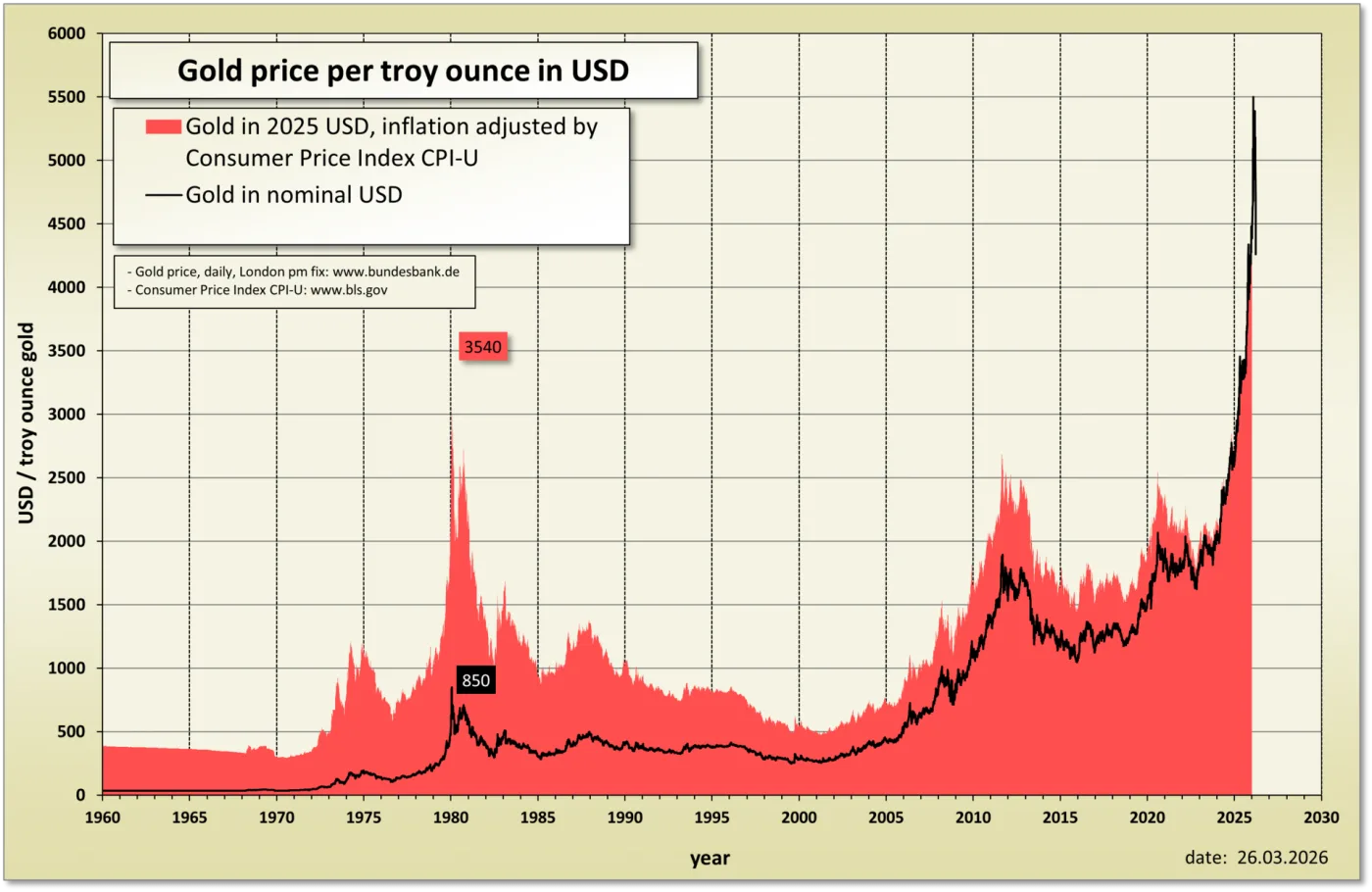
A worked example: take a 10-gram 14k chain, and say gold is trading at $4,000 an ounce. That price is only for the arithmetic; use the live spot price on the day you sell. The chain holds 5.83 grams of pure gold, and 10 × 0.01875 × $4,000 = $750 of melt value.

A Factor for Every Karat {#karat-factors}
The same method works for any purity. The table gives each common standard’s gold content and the factor to multiply by, so you never need to redo the conversion. Multiply the weight by the factor, then by the gold price per troy ounce.
| Karat | Stamp | Gold content | Factor per gram | Factor per pennyweight |
|---|---|---|---|---|
| 10K | 417 | 41.7% | 0.01340 | 0.02083 |
| 14K | 585 | 58.3% | 0.01875 | 0.02917 |
| 18K | 750 | 75.0% | 0.02411 | 0.03750 |
| 22K | 916 | 91.7% | 0.02947 | 0.04583 |
| 24K | 999 | 99.9% | 0.03212 | 0.04995 |
Two quick checks fall out of the table. A gram of 18k is worth about 29% more than a gram of 14k, since it holds 75% gold against 58.3%. And a gram of 10k holds less than half its weight in gold, which is why 10k pieces fetch noticeably less than 14k pieces of the same size.
Weigh Only the Gold {#weigh-the-gold}
A melt value is only as good as the weight you put into it, and the weight has to be the gold alone.
- Use a scale that reads to at least 0.1 gram. A kitchen scale is not precise enough for a ring.
- Leave out anything that is not gold. Gemstones, pearls, enamel, steel springs in clasps and watch movements all add weight but no gold value.
- Separate the karats. Weigh 10k, 14k and 18k pieces separately, because each has its own factor.

Solid 14K or Gold-Filled? {#gold-filled}
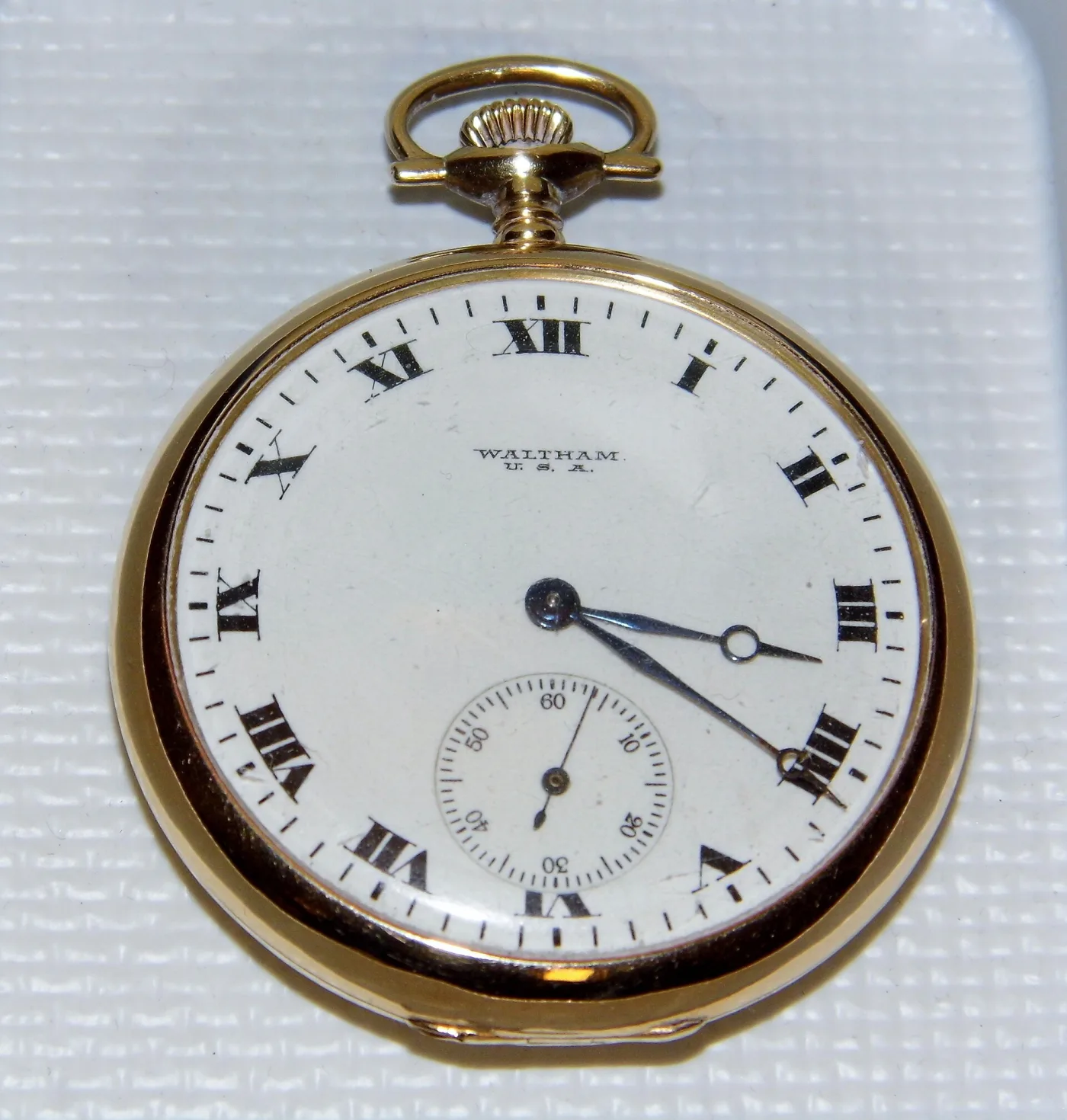
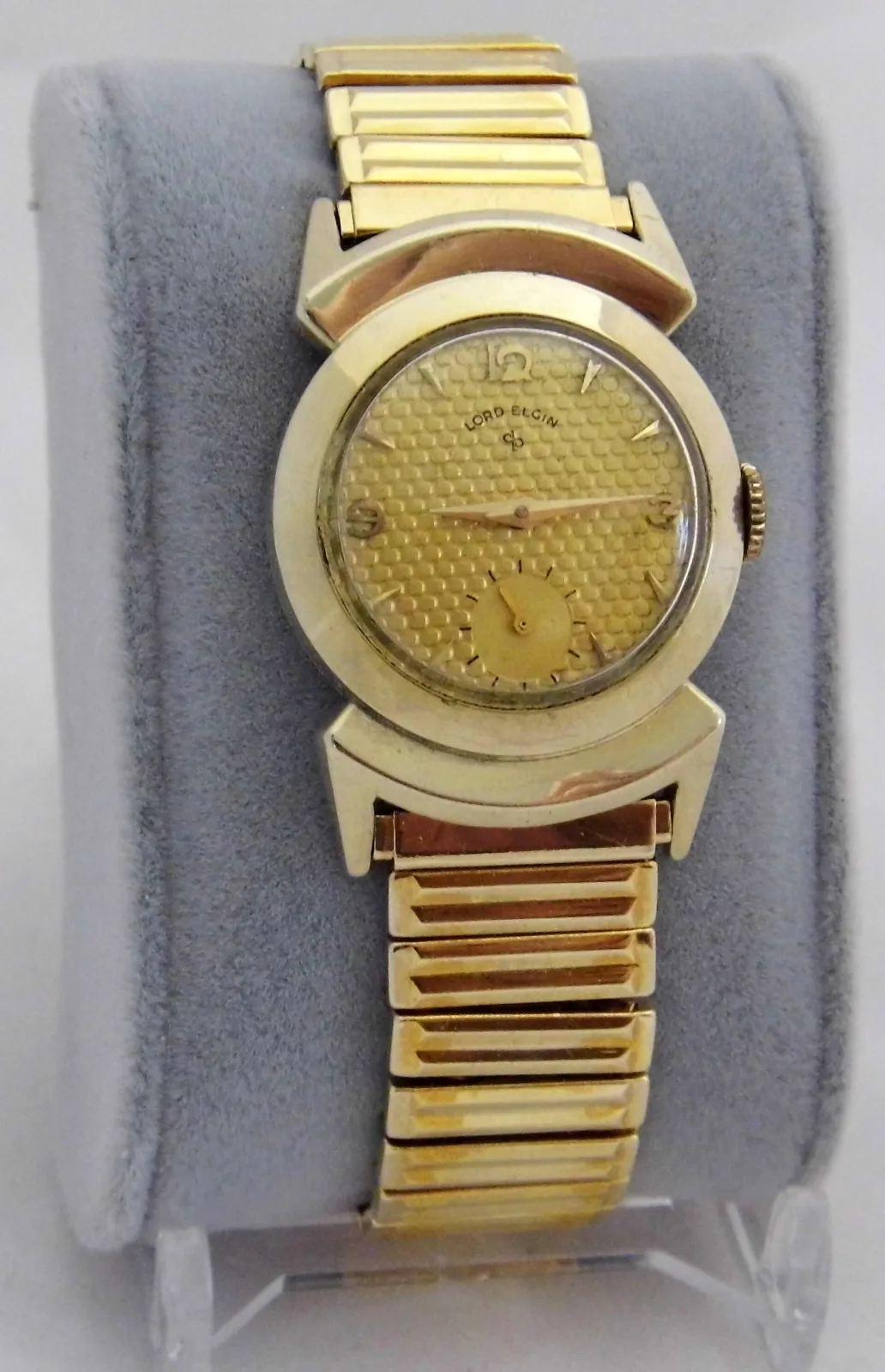
The formula only applies to solid gold, so check the mark before you calculate anything. The Federal Trade Commission defines gold filled, gold overlay and rolled gold plate as a layer of at least 10 karat gold mechanically bonded to a base metal, and gold electroplate as an even thinner layer. These are marked with the karat plus GF, RGP or a similar abbreviation, for example 14K GF.
That small suffix changes the value completely. A gold-filled piece looks like 14k gold and carries a 14K mark, but nearly all of its weight is brass or another base metal, so its gold content is a small fraction of a solid piece.
.jpg)
.jpg)
The FTC also advises looking for a maker’s name or registered trademark near the karat mark, since that is the company standing behind the claim. A 14K stamp with no trademark beside it is not proof of a fake, but it is a reason to have the piece tested.
What a Buyer Will Actually Pay {#what-buyers-pay}
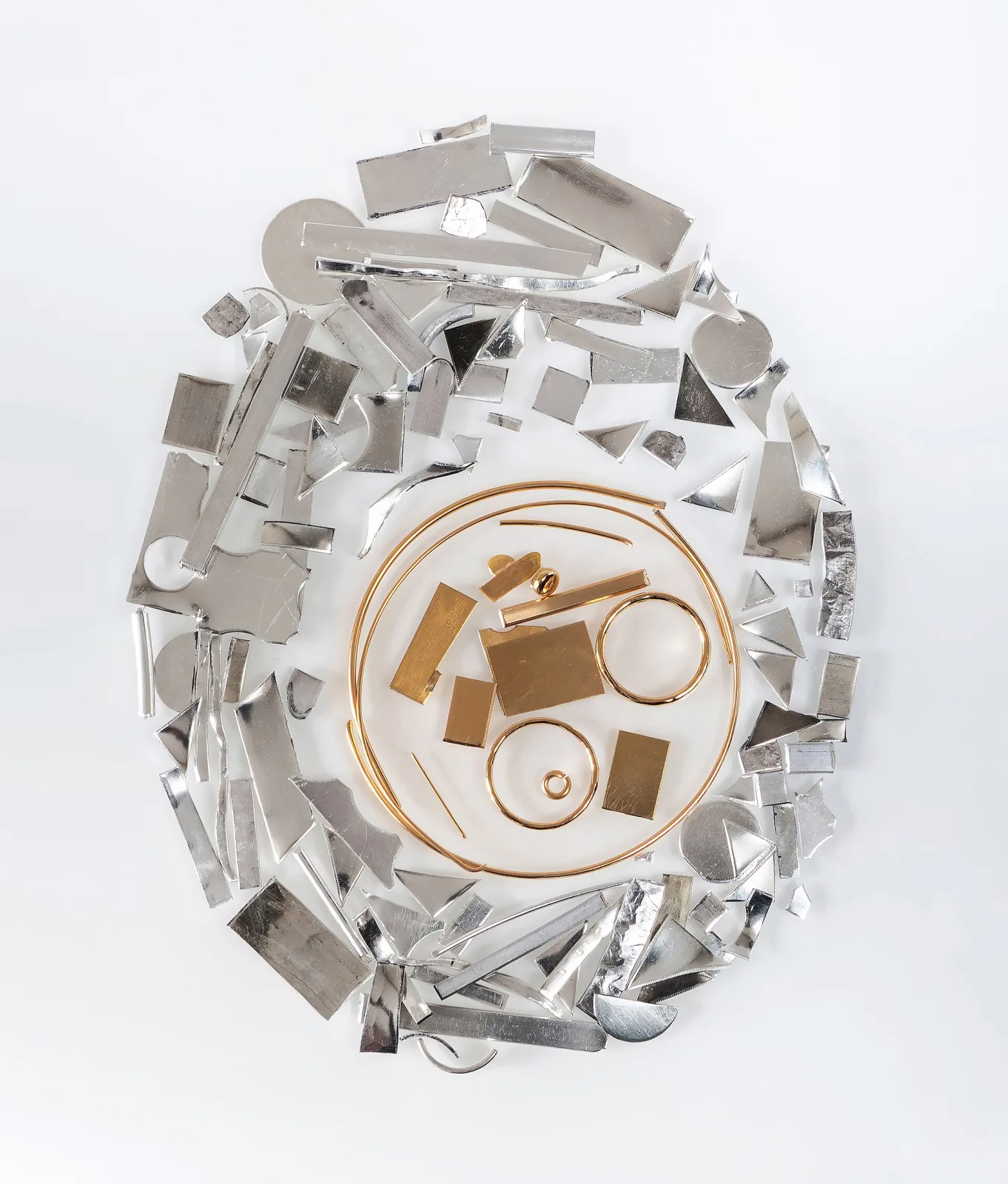
Melt value is a ceiling, not an offer. The gold price you see quoted is for pure gold in bulk, and a piece of 14k jewelry is neither. Before its gold can be sold at that price it has to be tested, melted and refined, and the refiner charges for that. Every buyer between you and the refinery, from a jeweler to a pawn shop to a mail-in service, also takes a margin. How big that margin is varies a great deal from one buyer to the next.

A few habits protect you when you sell:
- Know your melt value before you walk in. Weigh the piece, apply the factor, and check the gold price that morning.
- Watch the unit. Many buyers price by the pennyweight, 1.555 grams. A dealer who weighs in pennyweights and pays per gram is paying you for less gold than you handed over.
- Get more than one offer, in writing. Offers for the same piece can differ a great deal, and a written offer is easy to compare.
- Keep the karats apart. A buyer who weighs mixed pieces together may pay the lowest karat rate for all of it.
When 14K Jewelry Is Worth More Than Its Gold {#worth-more}
Melt value is the floor for plain, worn or broken gold. Many pieces are worth more as jewelry than as metal, and selling them for scrap throws that value away:
- Signed and designer pieces, where the maker’s name adds a premium.
- Antique and period jewelry, from Victorian lockets to Art Deco engagement rings, where age, design and condition drive the price.
- Gem-set pieces, where the stones may be worth more than the mount.
For those, have the piece appraised as jewelry first and treat the melt value only as the minimum you should accept. For the rest, a scale, the factor table and today’s gold price will tell you, within a few minutes, what your 14k gold is worth.
Frequently Asked Questions
How much is 14k gold worth per gram?
A gram of 14k gold contains 0.583 grams of pure gold, so its melt value is 0.583 times the price of a gram of pure gold. Gold is quoted per troy ounce, so the quick version is: multiply the weight in grams by 0.01875 and then by today's gold price per ounce. At a gold price of $4,000 an ounce, used here only as an example, that is about $75 per gram of 14k.
Is 14k gold real gold?
Yes. 14k gold is 14 parts pure gold to 10 parts other metals such as copper, silver and zinc, which makes it 58.3% gold by weight. The other metals make it harder and more durable than pure gold. It is not the same as gold-filled or gold-plated jewelry, which has only a thin layer of gold over another metal.
What is the difference between 14k and 585?
They describe the same standard. 14k means 14 parts in 24, which is 58.33% gold. 585 is the same thing written in parts per thousand, rounded to 58.5%. American jewelry usually carries the karat mark, 14K, while European pieces usually carry 585.
Why do gold buyers pay less than the gold price?
The quoted gold price is for pure gold in bulk. Jewelry has to be tested, melted and refined before it is worth that, and the refiner and every buyer in between take a margin for doing it. So a scrap offer is always below full melt value. The gap varies widely between buyers, which is why getting several written offers is worth the effort.
Identify Your Jewelry Piece Instantly
Unsure about a hallmark, gemstone cut, or metal stamp? Take a photo and get an instant AI analysis and appraisal.