French Gold Hallmarks & Eagle Head Identification Guide
💡 Key Takeaways (Quick Reference)
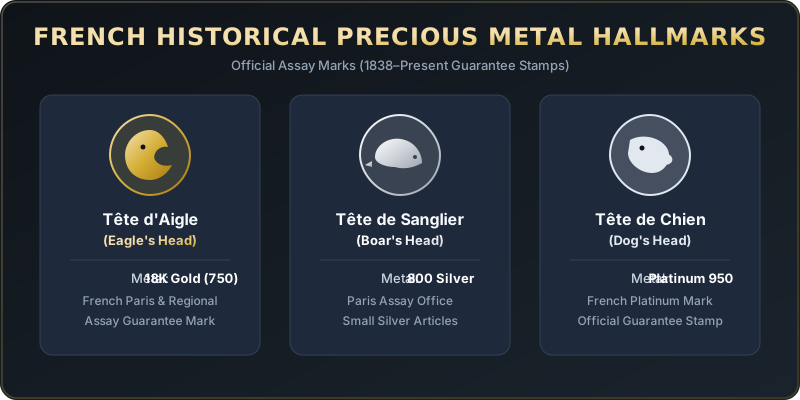
- Eagle’s Head (Tête d’Aigle): French guarantee mark for 18K Gold (750), active from 1838 to present.
- Boar’s Head (Tête de Sanglier): Paris Assay Office mark for 800 Silver, common on small French antique articles.
- Dog’s Head (Tête de Chien): Official French mark for 950 Platinum, widespread on Art Deco filigree rings.
- Lozenge Shape: French maker’s marks are always enclosed within a diamond/lozenge outline.
French jewelry is globally celebrated for its exceptional craftsmanship, artistic innovation, and strict hallmarking standards. Unlike American or British jewelry where stamps are often placed inside a ring shank, French assay marks were historically punched on the outside surface of precious metal objects so inspectors could verify them without unmounting gemstones.
The Core French Guarantee Stamps (Post-1838 System)
In 1838, France unified its national hallmarking system under the Ministry of Finance. The table below highlights the most common guarantee marks found on antique and vintage French pieces:
| Animal Symbol | Metal Standard | Minimum Purity | Era Active | Assay Office Location |
|---|---|---|---|---|
| Tête d’Aigle (Eagle) | 18K Gold | 75.0% (750) | 1838 – Present | Paris & Regional Assay Offices |
| Tête de Coq (Rooster) | 18K / 9K Gold | 75.0% or 37.5% | 1798 – 1809 | First Empire Historical Mark |
| Tête de Sanglier (Boar) | Silver | 80.0% (800) | 1838 – 1962 | Paris Assay Office Only |
| Crabe (Crab) | Silver | 80.0% (800) | 1838 – Present | French Regional Assay Offices |
| Tête de Chien (Dog) | Platinum | 95.0% (950) | 1912 – Present | French National Assay Standard |
How to Locate French Stamps on Fine Jewelry
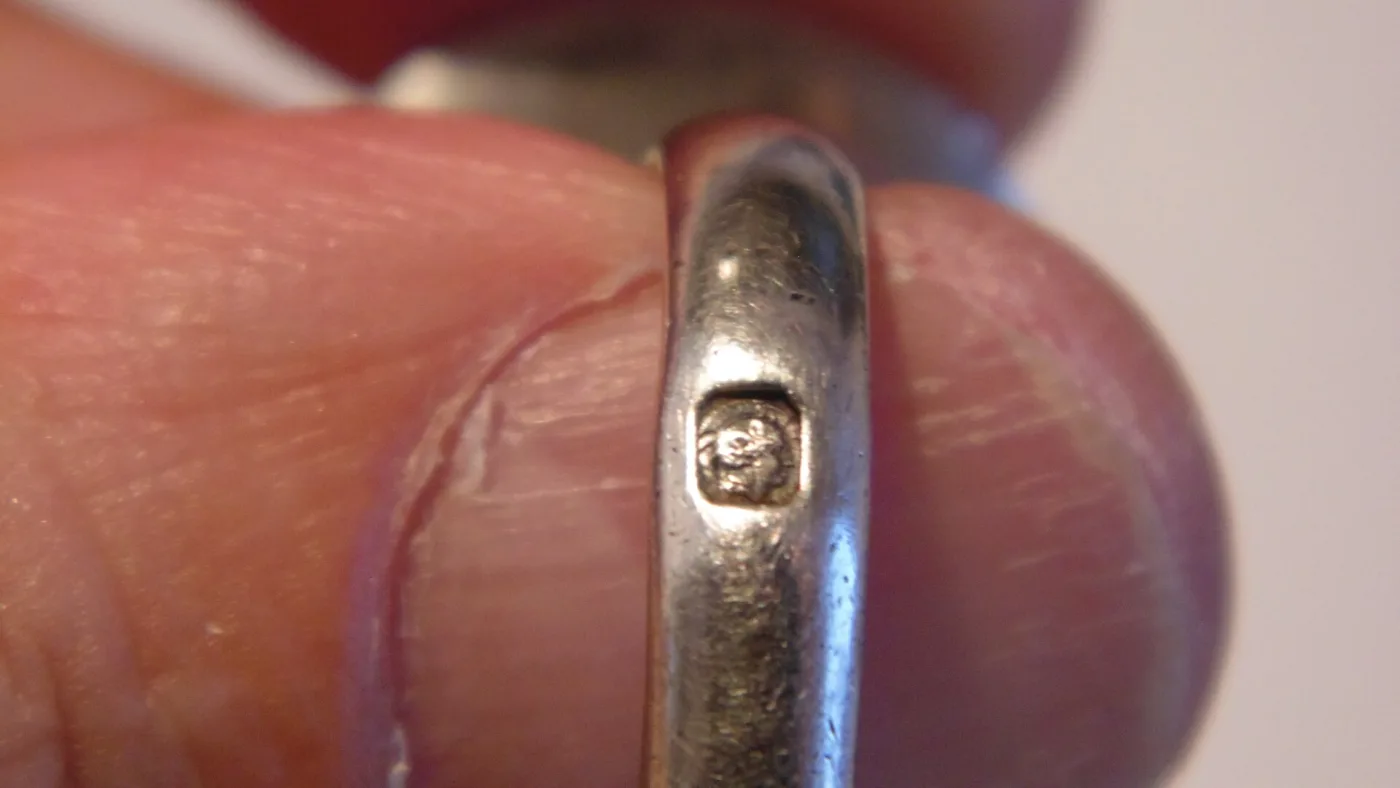
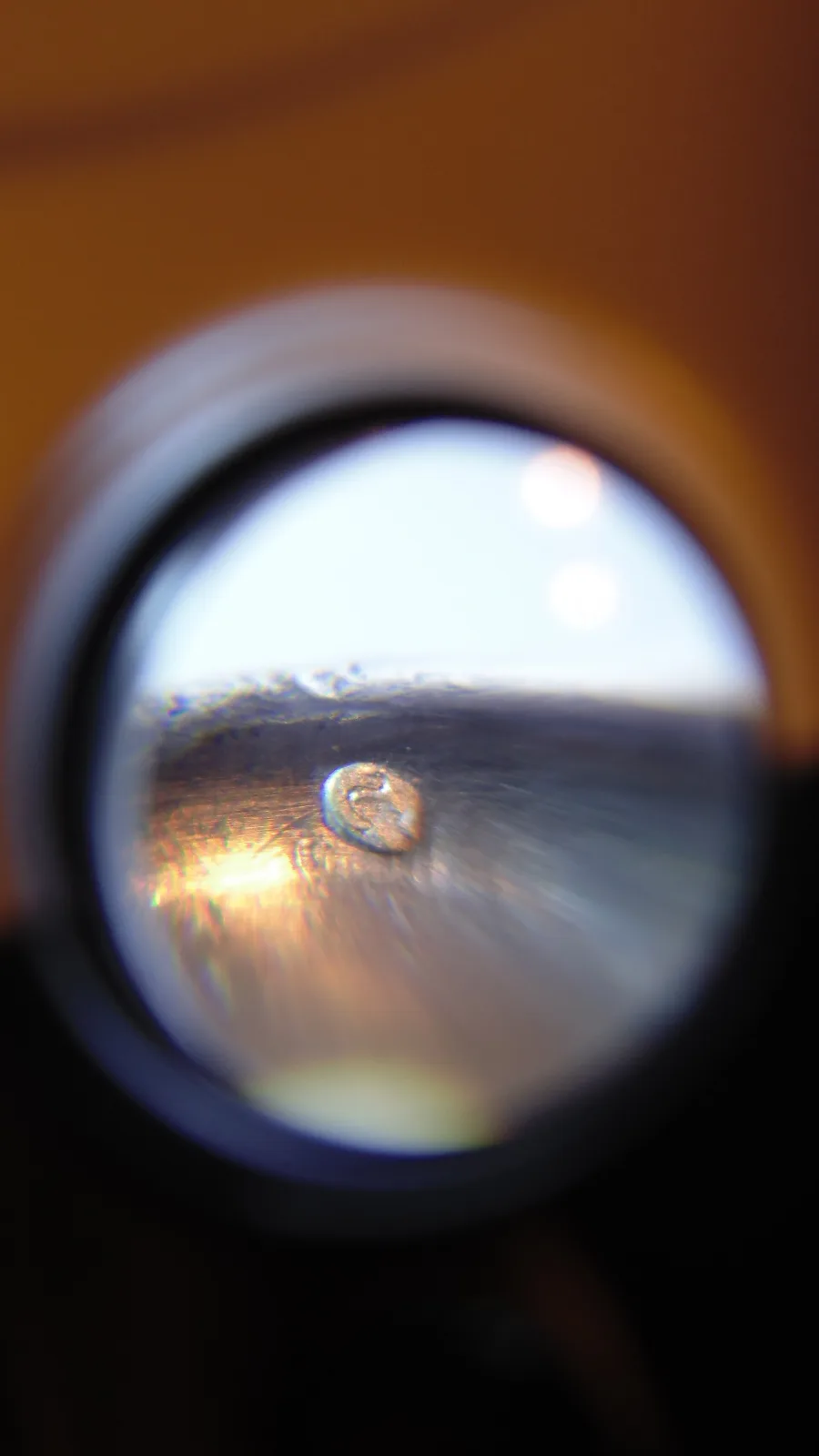
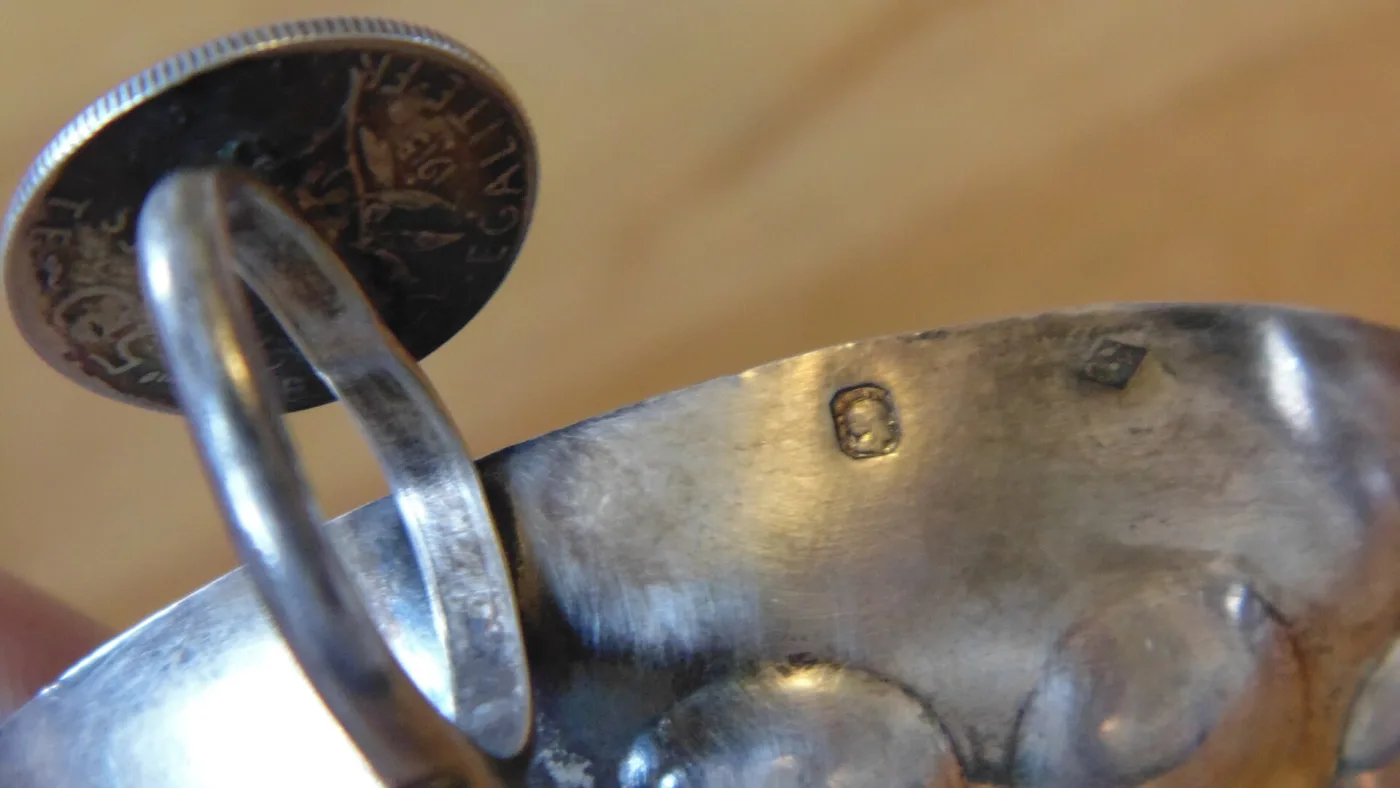
Because French assay marks were applied using steel hand punches, they are extremely small and frequently mistaken for surface scratches or wear denting.
- Rings: Look along the exterior bottom edge of the shank rather than inside. For high-end pieces, check the outer bezel gallery or the side of the ring head.
- Brooches & Cameos: Check the pin stem, the clasp hook, or along the lower wire bezel of antique cameo mountings.
- Chains & Necklaces: Examine the outer surfaces of end-connecting jump rings, spring clasps, or tongue-and-groove box locks.


Maker’s Marks (Poinçon de Maître)
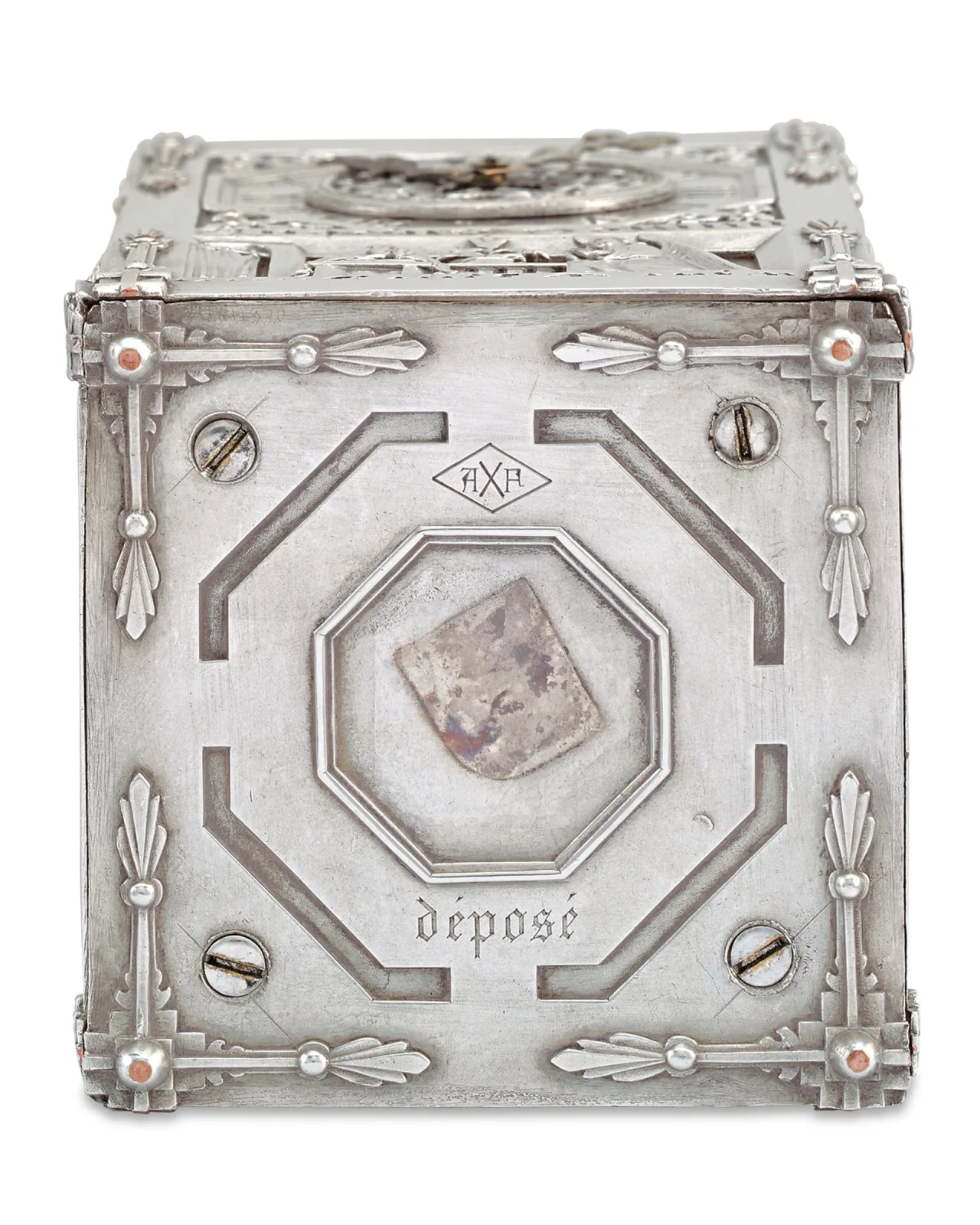
In addition to state guarantee marks, authentic French jewelry features a Poinçon de Maître (Maker’s Mark).
- Lozenge Outline (Diamond Shape): By law, French precious metal manufacturing workshops must place their maker’s initials and a small symbol inside a vertical or horizontal diamond/lozenge outline.
- Square / Rectangular Outline: Used for gold-plated, silver-plated, or base-metal costume jewelry items.


French Platinum vs. White Gold Identification
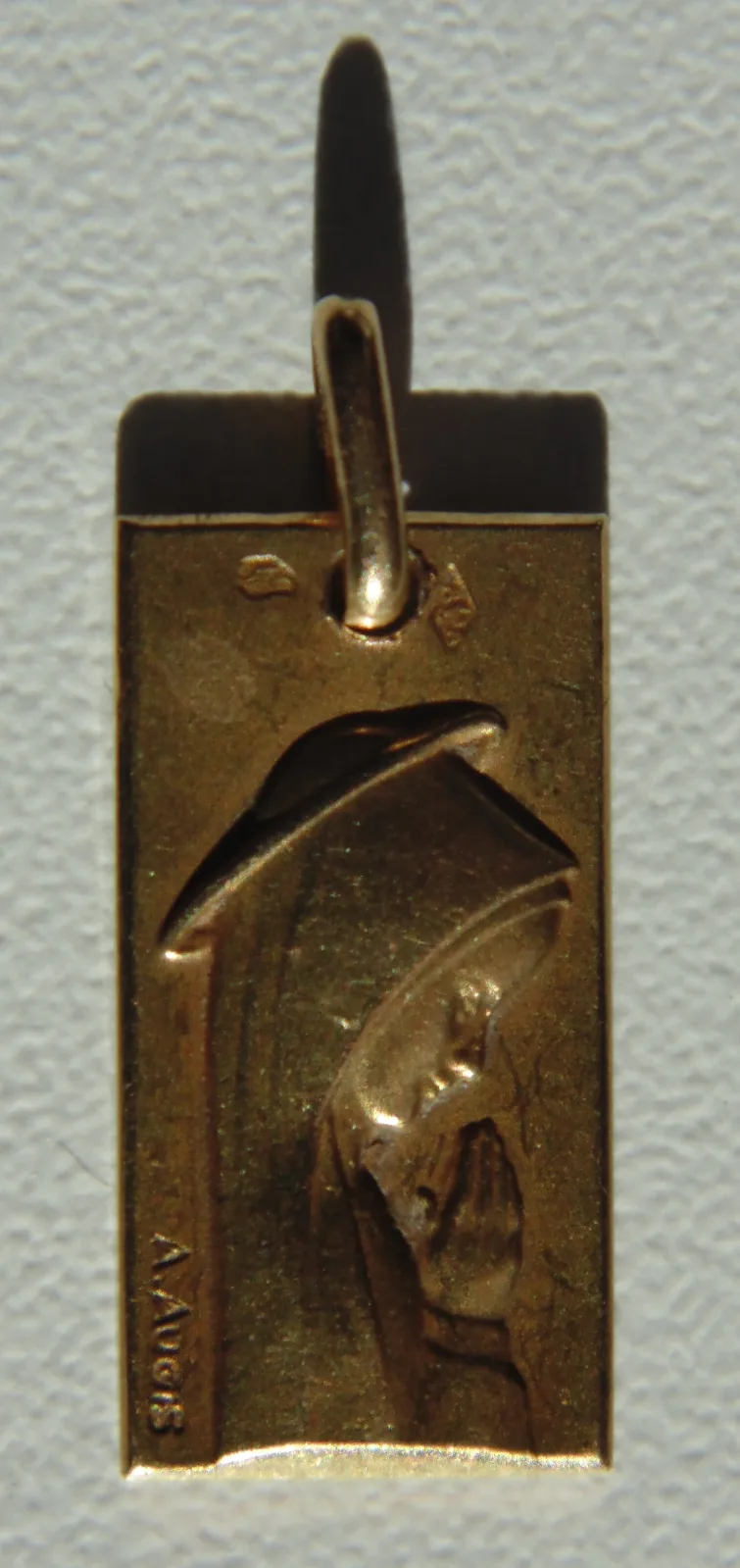
During the Belle Époque and Art Deco periods, French workshops pioneered platinum metalwork. If a piece contains both 18K gold and platinum, you will often find two adjacent stamps: an Eagle’s Head for the gold undercarriage and a Dog’s Head for the platinum lace filigree.
Expert Tip: For a comprehensive breakdown of weight, density, and metal testing between platinum and gold alloys, consult our Platinum 950 vs White Gold Identification Guide.
Frequently Asked Questions
What does an Eagle's Head stamp mean on gold jewelry?
The Eagle's Head (Tête d'Aigle) is the official French national guarantee mark for 18 Karat gold (750 millesimal fineness), instituted in 1838.
How do I know if a piece of French jewelry is real 18K gold?
Look for the Tête d'Aigle punch mark on the outer edge of a ring shank, brooch pin, or watch casing alongside a lozenge-shaped maker's mark.
What mark represents French platinum?
The Dog's Head (Tête de Chien) is the official French assay guarantee mark for 950 pure platinum, introduced in 1912.
Identify Your Jewelry Piece Instantly
Unsure about a hallmark, gemstone cut, or metal stamp? Take a photo and get an instant AI analysis and appraisal.