Antique Shell Cameo Identification: Which Shell Is It?
Identify Your Jewelry Piece Instantly
Unsure about a hallmark, gemstone cut, or metal stamp? Take a photo and get an instant AI analysis and appraisal.

💡 Key Takeaways (Quick Reference)
- First confirm it is shell: a curved back, faint growth lines and a soft glow through thin areas. A flat back with a seam is moulded.
- Then read the ground colour: orange to red is bullmouth helmet (cornelian shell), dark chestnut brown is emperor helmet (sardonyx shell), pale pink is queen conch.
- The shell names the material, not the date. Bullmouth was carved in the mid-19th century and still is today.
- Hand or machine? Look for undercutting and irregular tool marks under a 10x loupe.
Most cameos that come out of a jewelry box are shell, and the question behind identifying antique shell carved cameos is usually two questions: is it really shell, and which shell? Both have answers you can reach with a loupe and a lamp. A third question, how old it is, the shell can only partly answer. Our antique cameo identification guide covers cameo materials in general, from hardstone to lava. This guide goes deeper on shell alone.
Step 1: Confirm It Is Shell
A shell cameo is cut from the wall of a large sea shell, so it keeps the shell’s curve. Three checks, all non-destructive:
- The back is curved. Two dealer references describe a shell back as slightly concave, curving inward; one appraisal guide calls it convex. All three agree it is curved, never flat. A flat, polished back points to hardstone, and a flat, waxy one to a moulded imitation.
- Growth lines. Under a 10x loupe the back may show faint striations, the growth lines of the shell. Moulded plastic shows none, and may show a seam or small bubbles instead.
- A soft glow. Held in front of a bright lamp, the thin areas of a shell cameo let warm light through, while hardstone stays opaque. Plastic can imitate this, so use it with the other two checks, not alone.
Skip the hot-needle test some guides suggest. It is destructive, can crack thin shell, and two of the sources used here warn against it.
| Check | Shell | Hardstone (agate, onyx) | Moulded plastic or resin |
|---|---|---|---|
| Back | Curved, often concave | Flat and polished | Flat or waxy, may show a seam |
| Under a loupe | Growth lines, irregular tool marks | Fine, crisp carving | Smooth, no tool marks, possible bubbles |
| Against a lamp | Thin areas glow warm | Opaque | Can glow, often evenly |
| Edge of the figure | Follows a natural, slightly irregular layer | Sharp, parallel bands | Painted or too even |
If the cameo is set in a ring, the mount raises its own questions. Our gold cameo ring guide reads the shank stamps before the cameo.
Step 2: Read the Colour of the Ground
The carver cuts the figure from a pale outer layer and leaves a darker inner layer as the background. That inner colour belongs to the species, so it names the shell. Wikipedia’s cameo article and a JCK report from Torre del Greco, the town south of Naples that both call the centre of shell cameo carving, give the same three main shells:
| Trade name | Species | Figure | Ground | Notes |
|---|---|---|---|---|
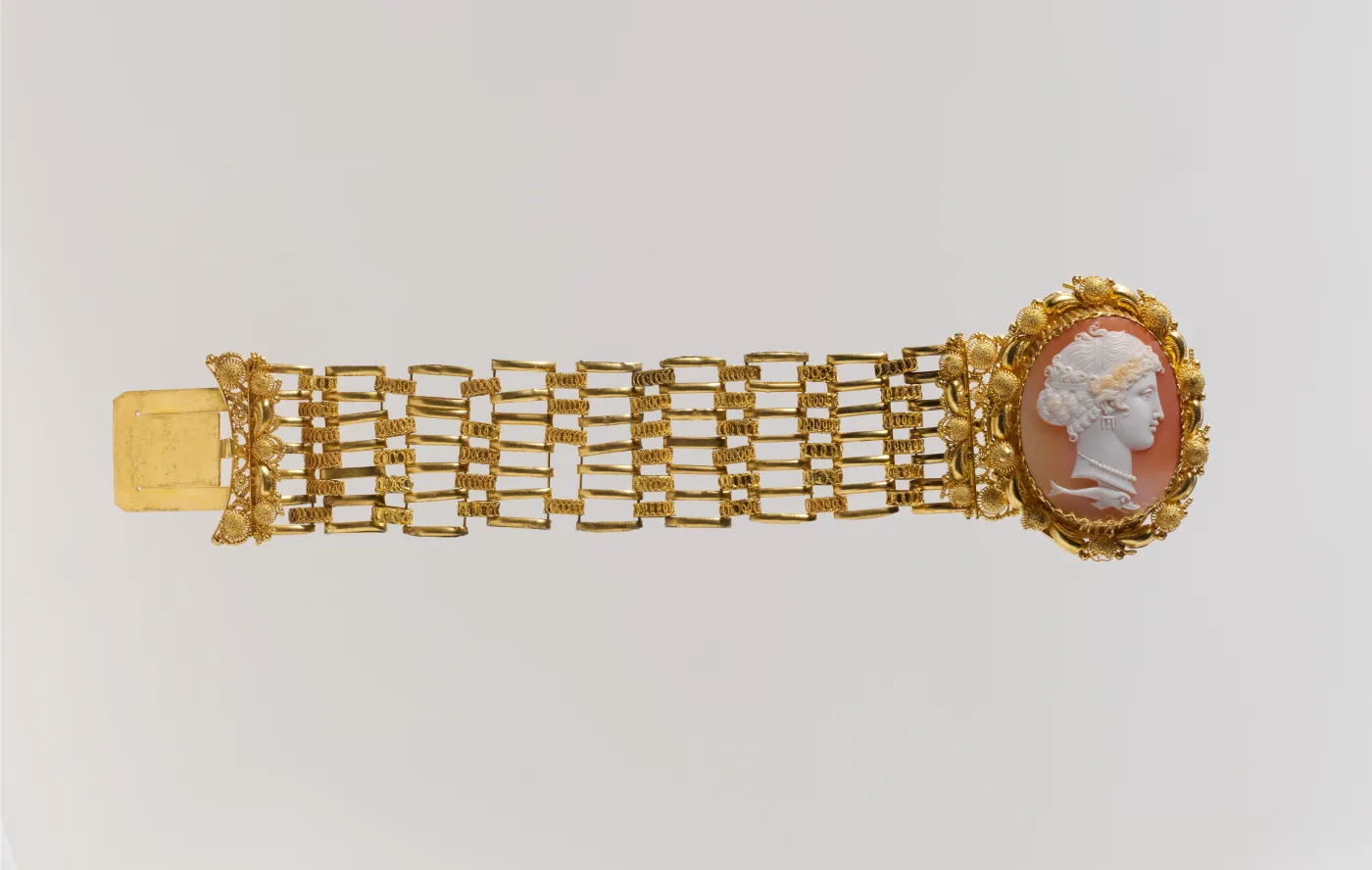
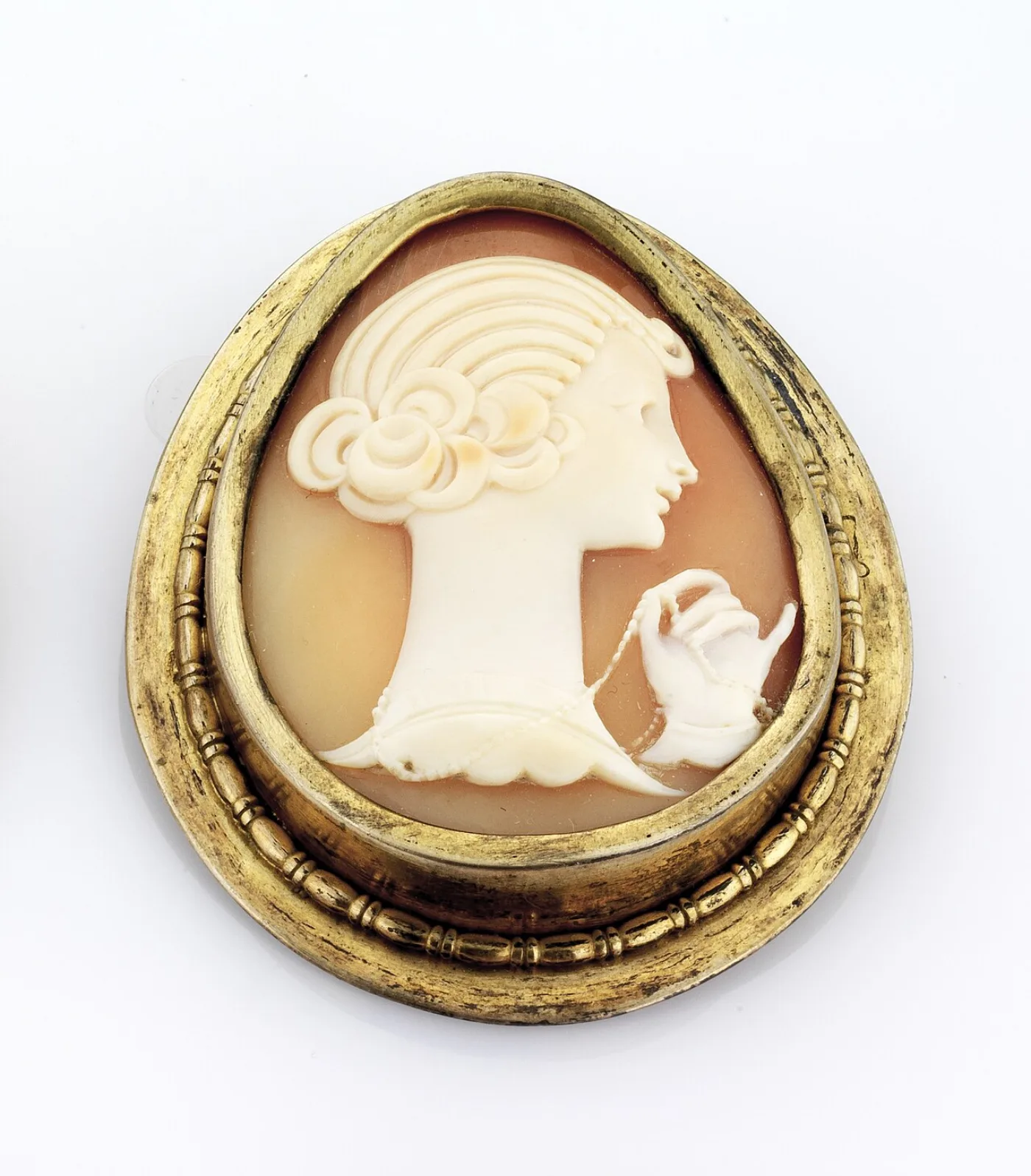
| Cornelian shell | Bullmouth helmet, Cypraecassis rufa (also listed as Cassis rufa) | White to pale flesh | Orange to reddish | The workhorse shell; the Met records it on a mid-19th-century parure |
| Sardonyx shell | Emperor or queen helmet, Cassis madagascariensis | White | Dark chestnut brown | Named for its likeness to layered sardonyx agate |
| Pink shell | Queen conch | White | Pale pink | See the fading question below |
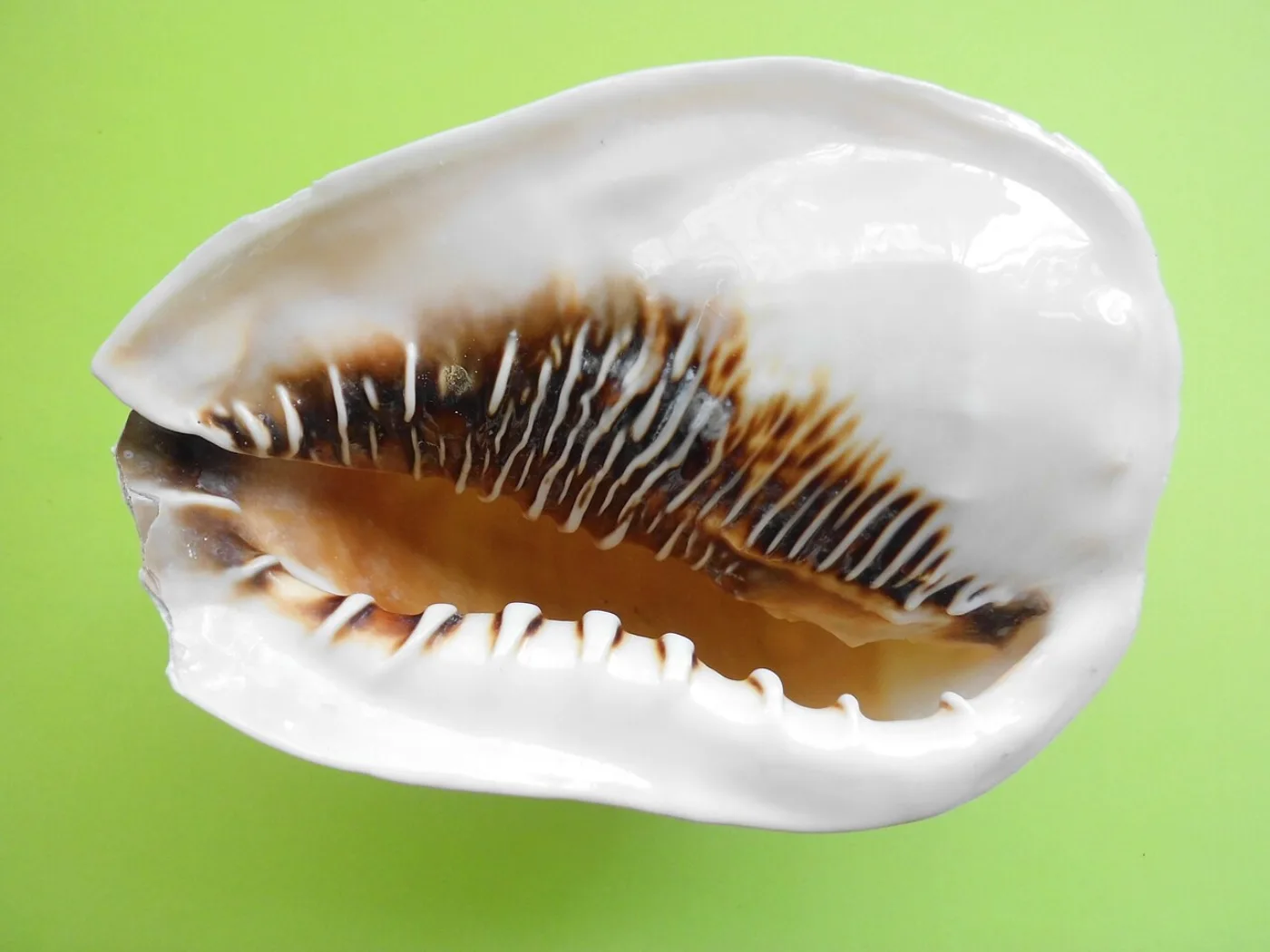

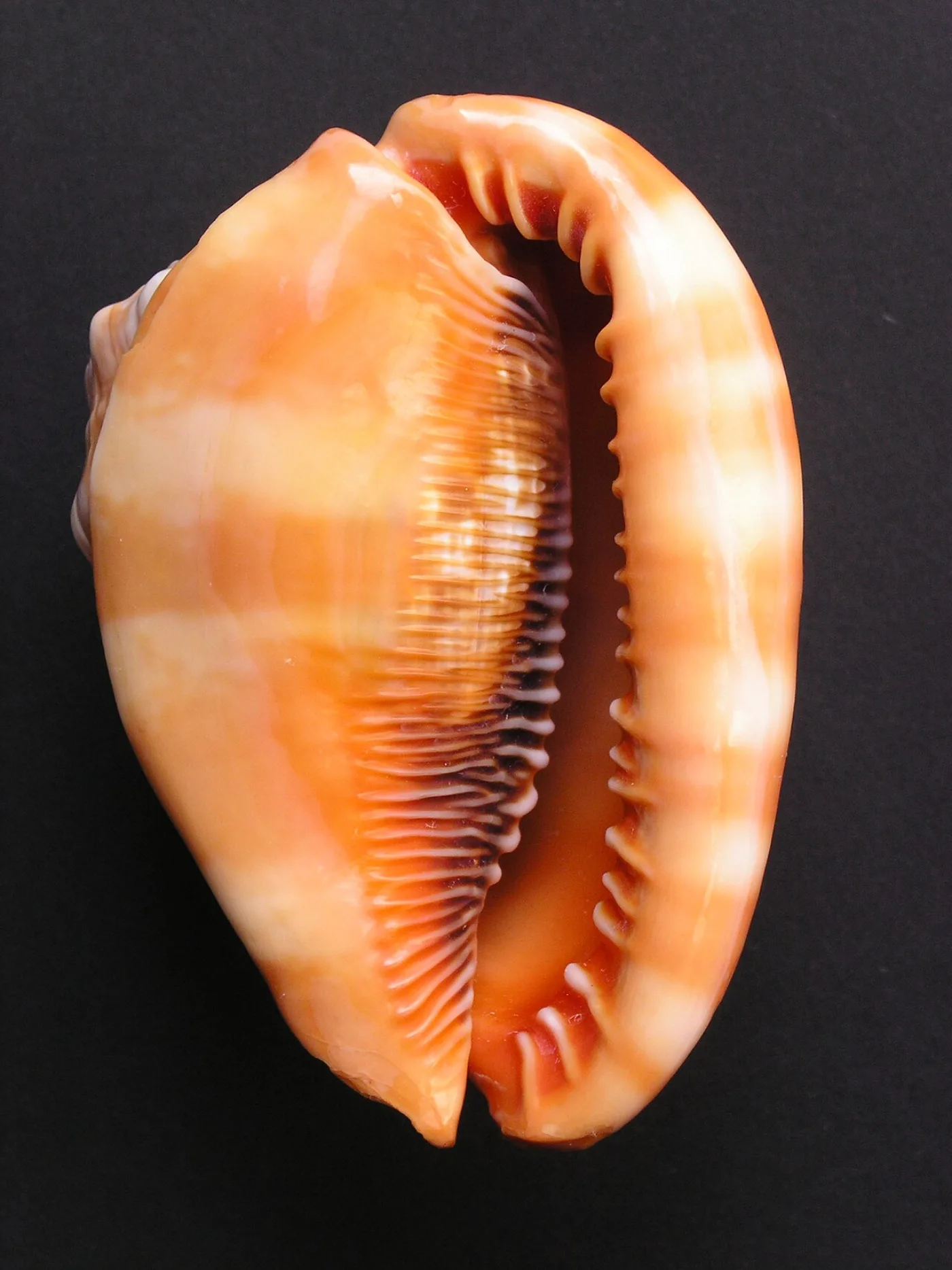

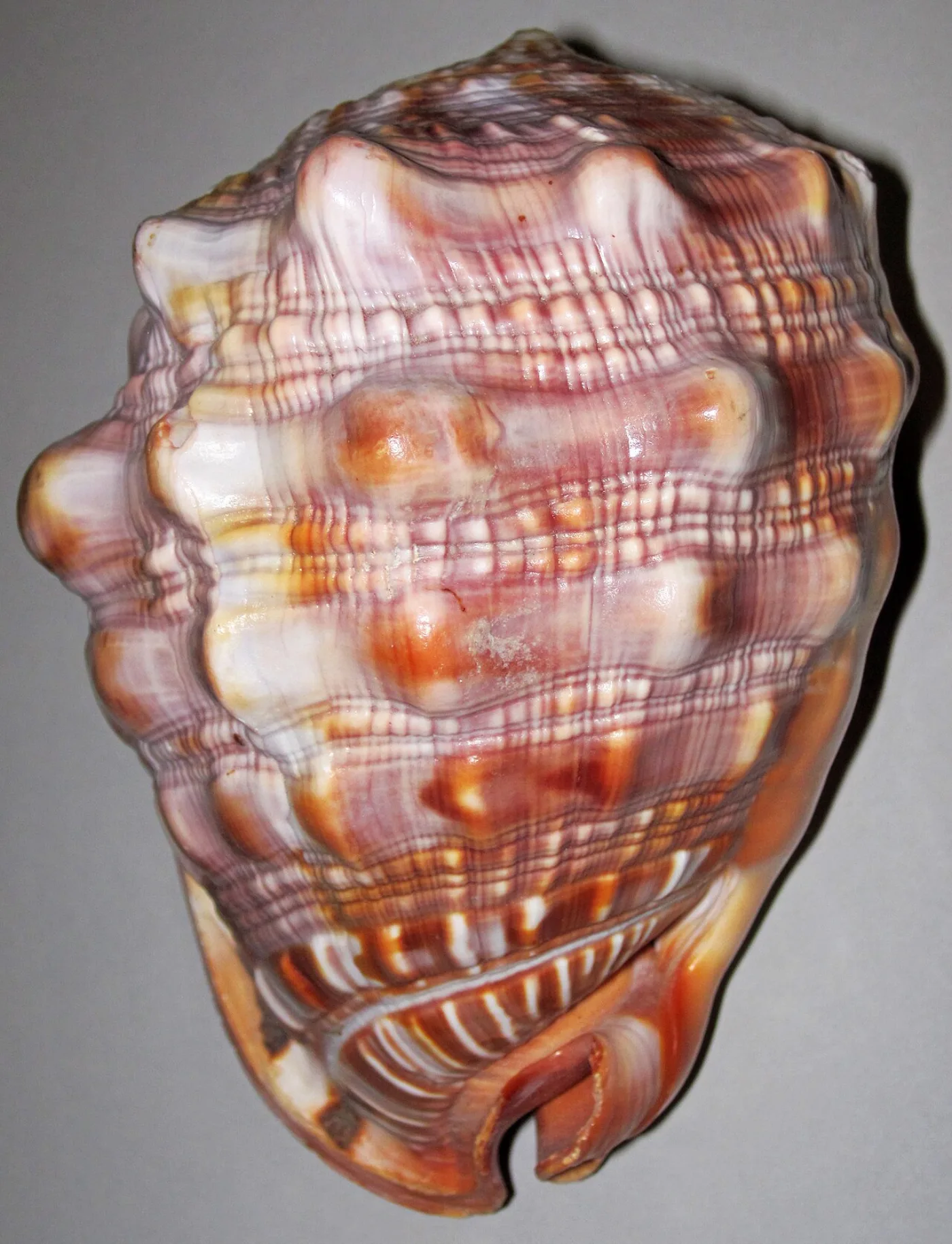

The pink conch fading question
Many references say conch cameos lose their pink over time; Wikipedia’s cameo article puts it plainly. GIA’s study of queen conch colour stability is more careful: in its tests, sunlight and ordinary fluorescent light did not change the colour of conch shell or pearls, while short-wave ultraviolet light faded it and X-rays shifted the hue. So a pale, washed-out pink ground is consistent with conch, but it is not proof of age, and a cameo kept in a box may keep its pink for a long time.
Step 3: What the Shell Can and Cannot Date
The sources disagree on when large tropical shells reached European carvers. Wikipedia says helmet and queen conch shells arrived from the West Indies in the mid-18th century and made shell cameos far more common, with the bullmouth becoming the main species in the late 19th century. The Gemmological Association of Australia says helmet and pink conch have been carved since the 15th or 16th century, and a New York gallery, citing jewellery historians, also puts the first helmet-shell cameos then.
What both sides support is narrower and more useful: the bullmouth helmet was in use by the mid-19th century, since the Met records it on a parure of that date, and it is still carved today, listed among the three current shells in Torre del Greco. An orange ground therefore fits 1850 and 2020 equally well.

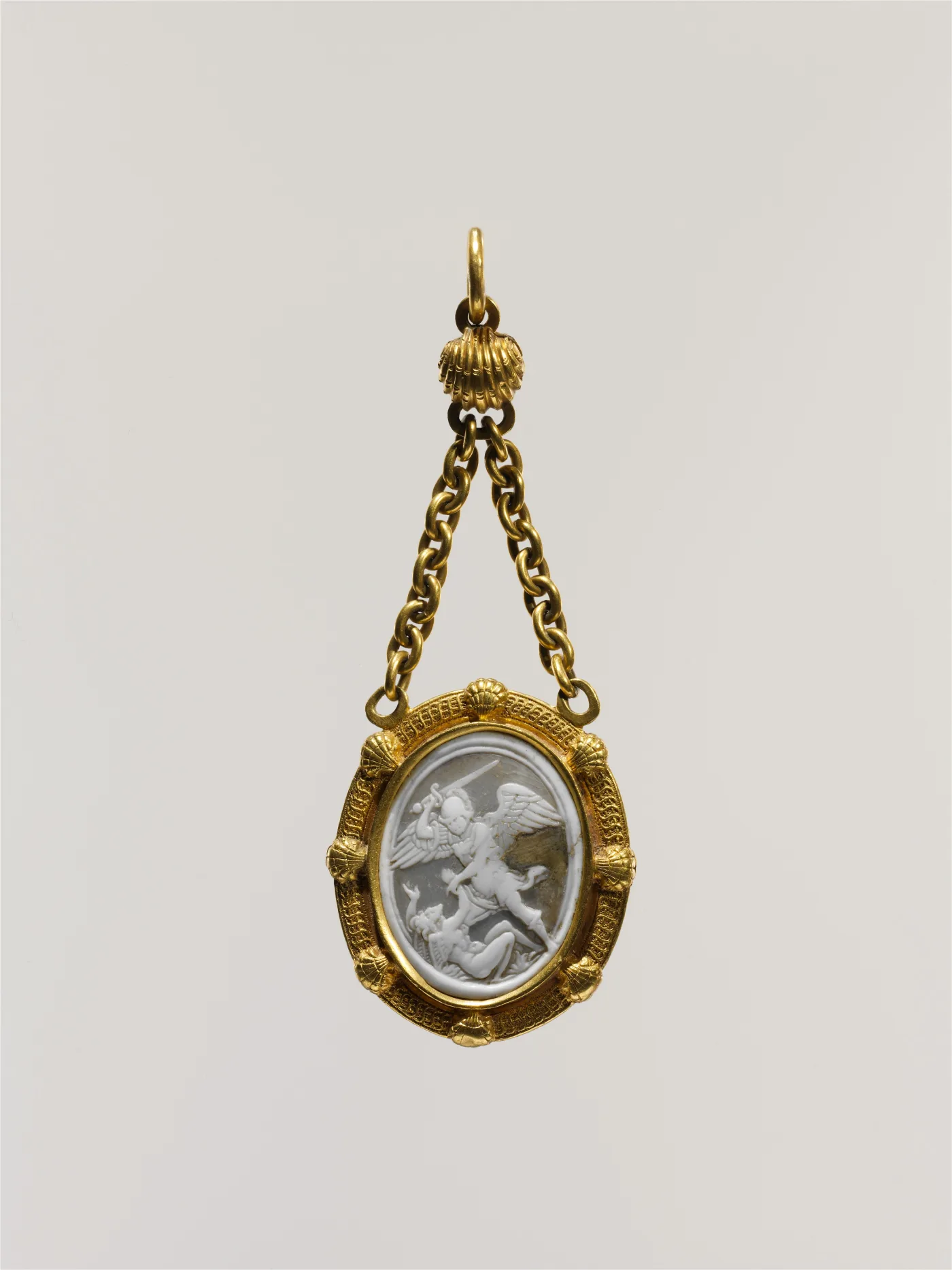
A ground that is none of the three colours is worth noticing. The cameo below is a 17th-century shell carving, white on a cool grey, not on brown, orange or pink.
To date the cameo itself, read the face and the mount. Our cameo portrait dating guide dates the carved head from hairstyle and profile, and the brooch clasp and hinge guide dates the pin on the back.
Step 4: Hand-Carved or Machine-Made
Shell is soft, and hand carvers work it with gravers and small drills. Two signs separate their work from mass production:
- Undercutting. A hand carver can cut beneath the edges of the figure so it stands free of the ground and casts a shadow. Ultrasonic milling, which Wikipedia and the Gemmological Association of Australia describe for stone cameos, cannot undercut.
- Tool marks. Under a 10x loupe, hand carving leaves fine, slightly irregular marks. Machine work looks uniform and slightly pitted or matte; a moulded imitation looks smooth, with softened edges where crisp lines should be.
A machine-made cameo is not a fake, but it is worth much less than a well-carved one.
Putting It Together
- Back: curved with growth lines means shell. Flat means stone or a moulding.
- Ground colour: orange is bullmouth, brown is emperor helmet, pink is conch.
- Age: not from the shell. Use the carving style and the mount.
- Quality: undercut edges and irregular tool marks mean a hand-carved cameo.
Frequently Asked Questions
What kind of shell are cameos carved from?
Mostly from large helmet shells and the queen conch. The bullmouth helmet (Cypraecassis rufa, sold as cornelian shell) gives a white or pale flesh-coloured figure on an orange to reddish ground. The emperor or queen helmet (Cassis madagascariensis, sold as sardonyx shell) gives white on dark chestnut brown. The queen conch gives white on pale pink.
Does an orange shell cameo mean it is antique?
No. The bullmouth helmet was already being carved by the mid-19th century, and it is still one of the main cameo shells today. The colour of the ground tells you which shell was used, not when it was carved. Date the cameo from its carving style and its mount instead.
How can I tell if a shell cameo is real shell?
Turn it over. Shell cameos have a curved back, which most sources describe as slightly concave, and often show faint growth lines under a loupe. Held to a light, thin areas glow softly. A flat, waxy back with a seam line or small bubbles points to a moulded imitation.
Identify Your Jewelry Piece Instantly
Unsure about a hallmark, gemstone cut, or metal stamp? Take a photo and get an instant AI analysis and appraisal.