Silver Prices Explained: What Your Sterling Silver Is Worth
Identify Your Jewelry Piece Instantly
Unsure about a hallmark, gemstone cut, or metal stamp? Take a photo and get an instant AI analysis and appraisal.
💡 Key Takeaways (Quick Reference)
- The silver price is for pure silver, quoted per troy ounce of 31.1035 grams.
- Sterling is 92.5% silver. Multiply grams by 0.02974, then by the silver price per ounce, to get its melt value.
- A dealer’s “ask” is spot plus a premium; their “bid”, what they pay you, is lower.
- Weigh only the silver. Glass, stones, filled bases and silver plate do not count.
- Signed and antique pieces can be worth far more than their silver. Value them as objects first.
What a Dealer’s Silver Price Means
When you look up silver prices on a bullion dealer’s site such as APMEX, the big number at the top is the spot price: the current market price for one troy ounce of pure silver for immediate delivery. It moves throughout the trading day. Alongside it there is a once-a-day benchmark, the LBMA Silver Price, set by an electronic auction at noon London time and run by ICE Benchmark Administration. Both are prices in U.S. dollars for pure silver in bulk.
A troy ounce is 31.1035 grams, about 10% heavier than the 28.35-gram ounce used for food and parcels. Silversmiths and dealers also use the pennyweight, one-twentieth of a troy ounce, or 1.555 grams.
Dealers then quote two more prices:
- Ask: what you pay to buy a coin or bar. It is the spot price plus a premium that covers making, shipping and selling the product, which is why you rarely buy silver at spot.
- Bid: what the dealer will pay you when you sell. It is lower than the ask, and for most products it sits near or below spot.
The gap between the two is the spread. For the owner of a sterling bracelet or a set of spoons, the useful number is spot, because that is what the silver inside your piece is measured against.
What Sterling Means
Sterling silver is 925 parts per thousand pure silver, 92.5% by weight, with the remaining 7.5% usually copper. Pure silver is too soft for jewelry and tableware, and the copper makes it hard enough to wear and use. In the United States, the Federal Trade Commission’s jewelry guides reserve the words “sterling” and “solid silver” for metal of at least 925 fineness, and “coin silver” for metal of at least 900.
Other standards turn up on older and foreign pieces, each marked as a number in parts per thousand: 800 on much continental European silver, 958 for the British Britannia standard, and 999 for fine silver. British pieces carry a full set of assay marks rather than a bare number; our British sterling silver hallmarks guide explains how to read the lion passant, town mark and date letter.
The Melt Value Formula
Melt value is what the silver in a piece would be worth at the market price. It takes three numbers: the weight, the purity, and the silver price per troy ounce.
Melt value = grams × purity × (silver price per ounce ÷ 31.1035)
For sterling the two fixed numbers combine into one factor:
Sterling melt value = grams × 0.02974 × silver price per ounce
A worked example: a 40-gram sterling bracelet holds 37 grams of pure silver. With silver at $60 an ounce, a figure used here only for the arithmetic, 40 × 0.02974 × $60 = about $71 of melt value. Check the live spot price on the day you sell, because the answer changes with it.
A Factor for Every Silver Standard
Multiply the weight by the factor for its standard, then by the silver price per troy ounce.
| Mark | Standard | Silver content | Factor per gram | Factor per pennyweight |
|---|---|---|---|---|
| 800 | Continental European | 80.0% | 0.02572 | 0.04000 |
| 900 | Coin silver | 90.0% | 0.02894 | 0.04500 |
| 925 | Sterling | 92.5% | 0.02974 | 0.04625 |
| 958 | Britannia | 95.8% | 0.03081 | 0.04792 |
| 999 | Fine silver | 99.9% | 0.03212 | 0.04995 |
The spread between the standards is smaller than it is for gold. A gram of 800 silver holds about 86% as much silver as a gram of sterling, so the mark matters less than the weight and the price.
Weigh Only the Silver
The formula is only as good as the weight you put into it.
- Use a scale that reads to 0.1 gram. For small jewelry, a kitchen scale is not precise enough.
- Leave out what is not silver. Glass, gemstones, enamel, steel pin stems and clock or watch parts all add weight but no silver.
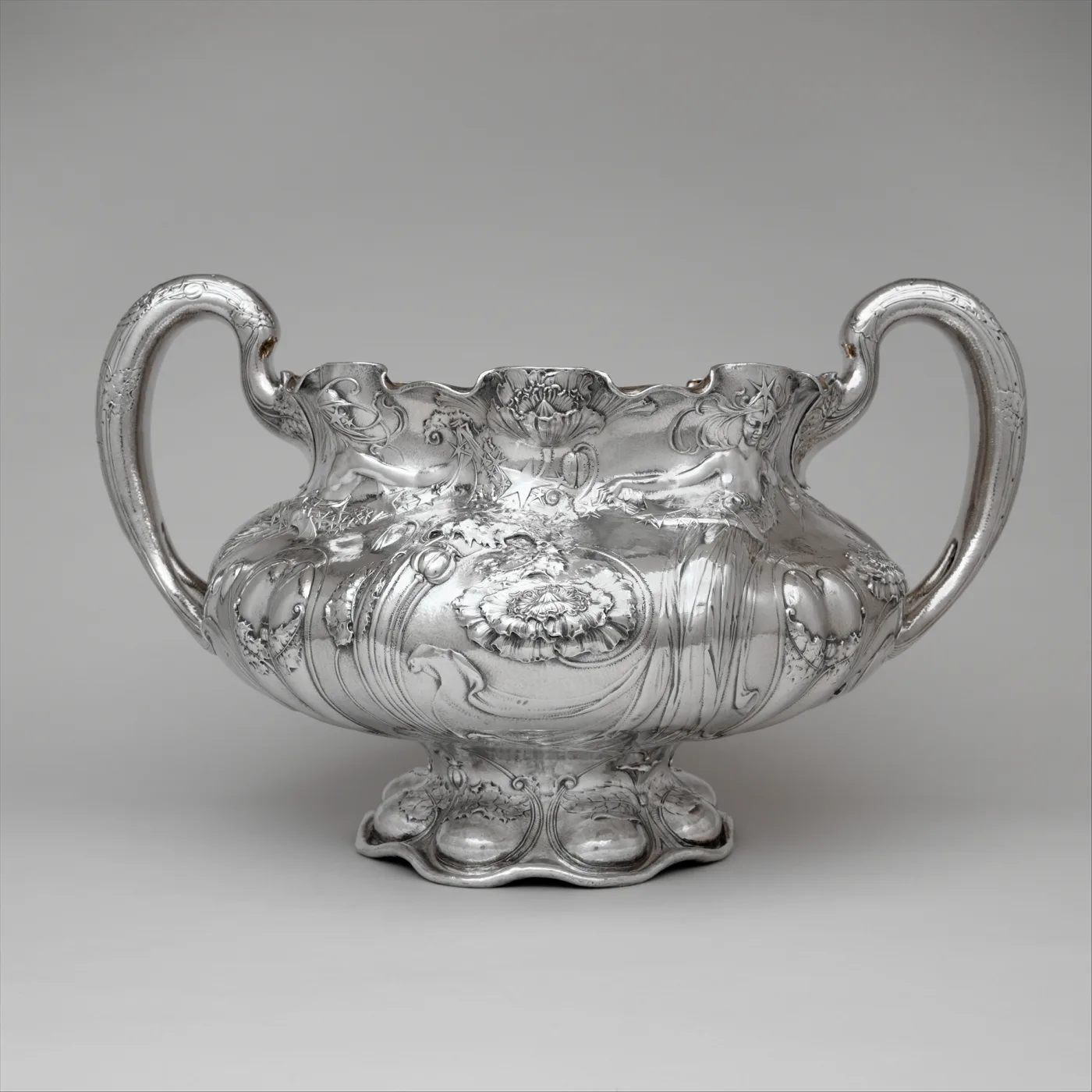
- Watch for weighted pieces. Candlesticks, compotes and similar pieces with heavy bases are often “weighted”: the thin silver shell is filled with pitch, plaster or another filler, and they are marked as weighted. The scale reads the filler too.
- Rule out plate. EPNS means electroplated nickel silver: a thin silver coating over an alloy of copper, nickel and zinc that, despite its name, contains no silver. Plated pieces have almost no melt value.
What a Buyer Will Actually Pay
Melt value is a ceiling, not an offer. The spot price is for pure silver in bulk, and your piece has to be tested, melted and refined before it is worth that. The refiner charges for the work, and every buyer in between, from a jeweler to a pawn shop to a mail-in service, takes a margin. That is the same reason a bullion dealer’s bid sits below its ask.
- Work out your melt value first, using the factor table and that morning’s spot price.
- Check the unit. A buyer who weighs in pennyweights and pays per gram is paying for less silver than you brought.
- Get several written offers. Margins differ a great deal from one buyer to the next.
- Keep the standards apart. Mixed lots tend to be paid at the lowest standard in the pile.
The same arithmetic works for gold, with different factors: our guide to how much 14k gold is worth has a table for every karat.
When Silver Is Worth More Than Its Melt Value
Melt value is the floor for worn, broken or plain silver. Many pieces are worth more as objects, and melting them throws that value away:
- Signed pieces by well-known makers such as Tiffany & Co. and Gorham.
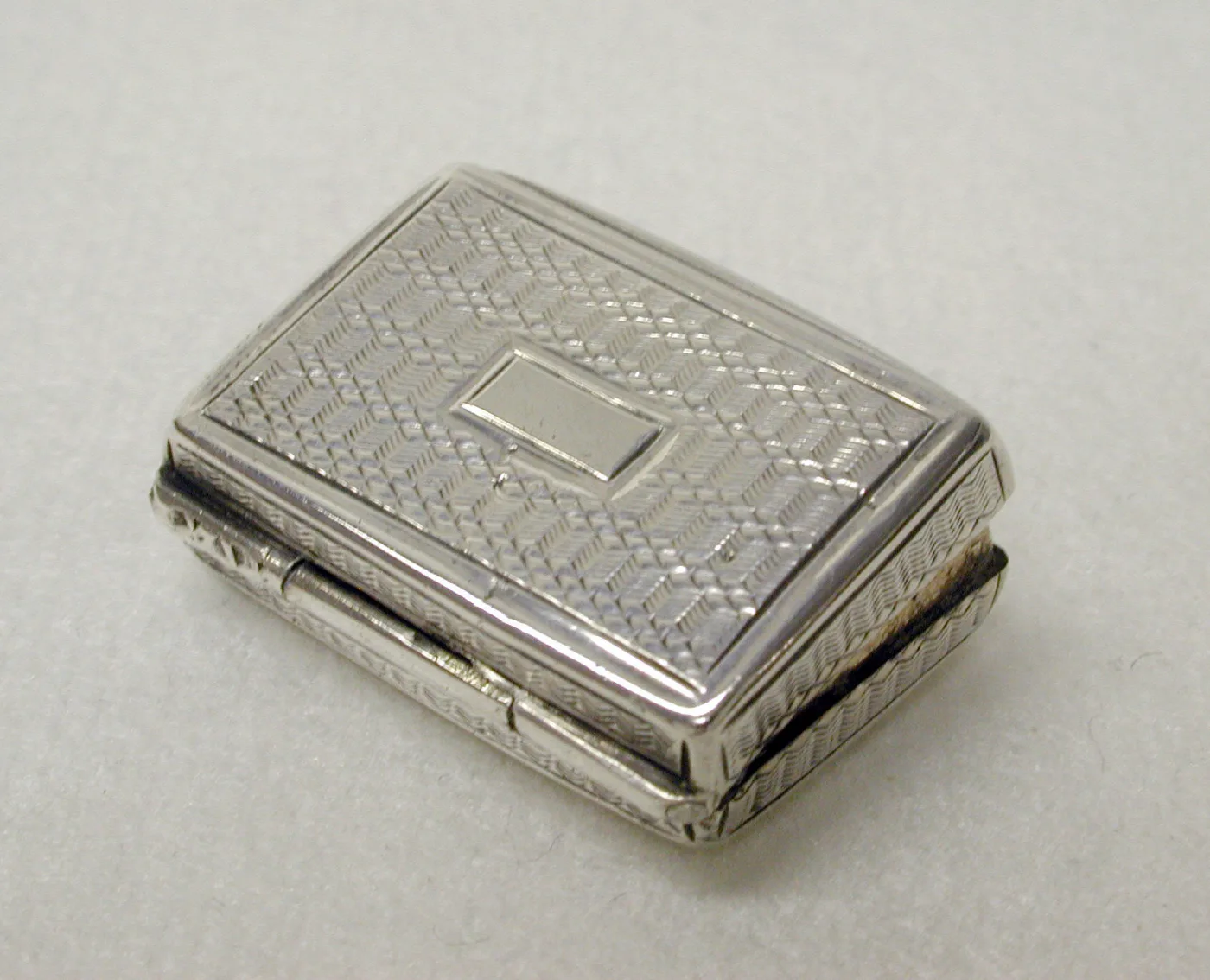
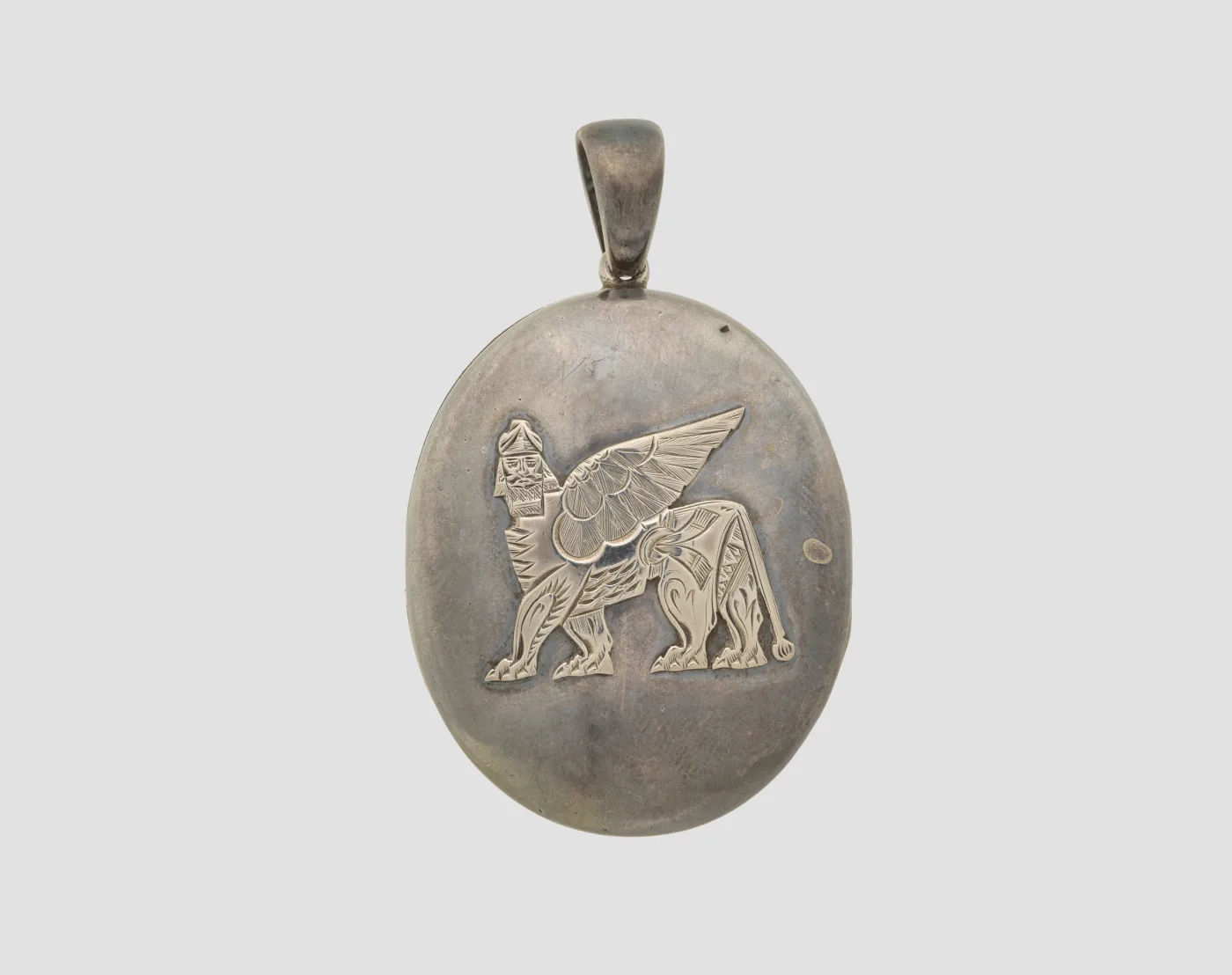
- Antique and period pieces, from Georgian boxes to Victorian lockets, where design and condition drive the price.
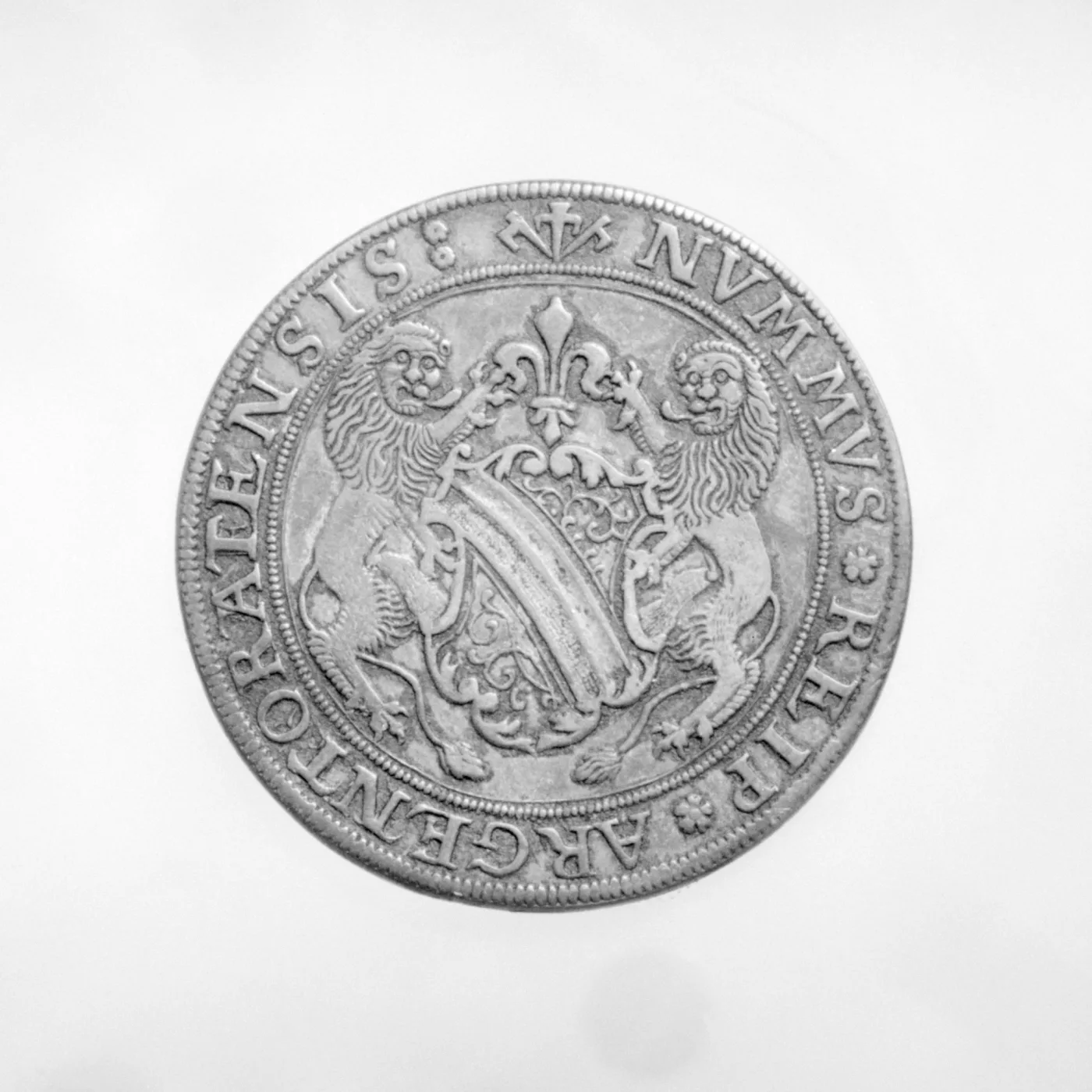
- Collectible coins, which can be worth far more than their silver.
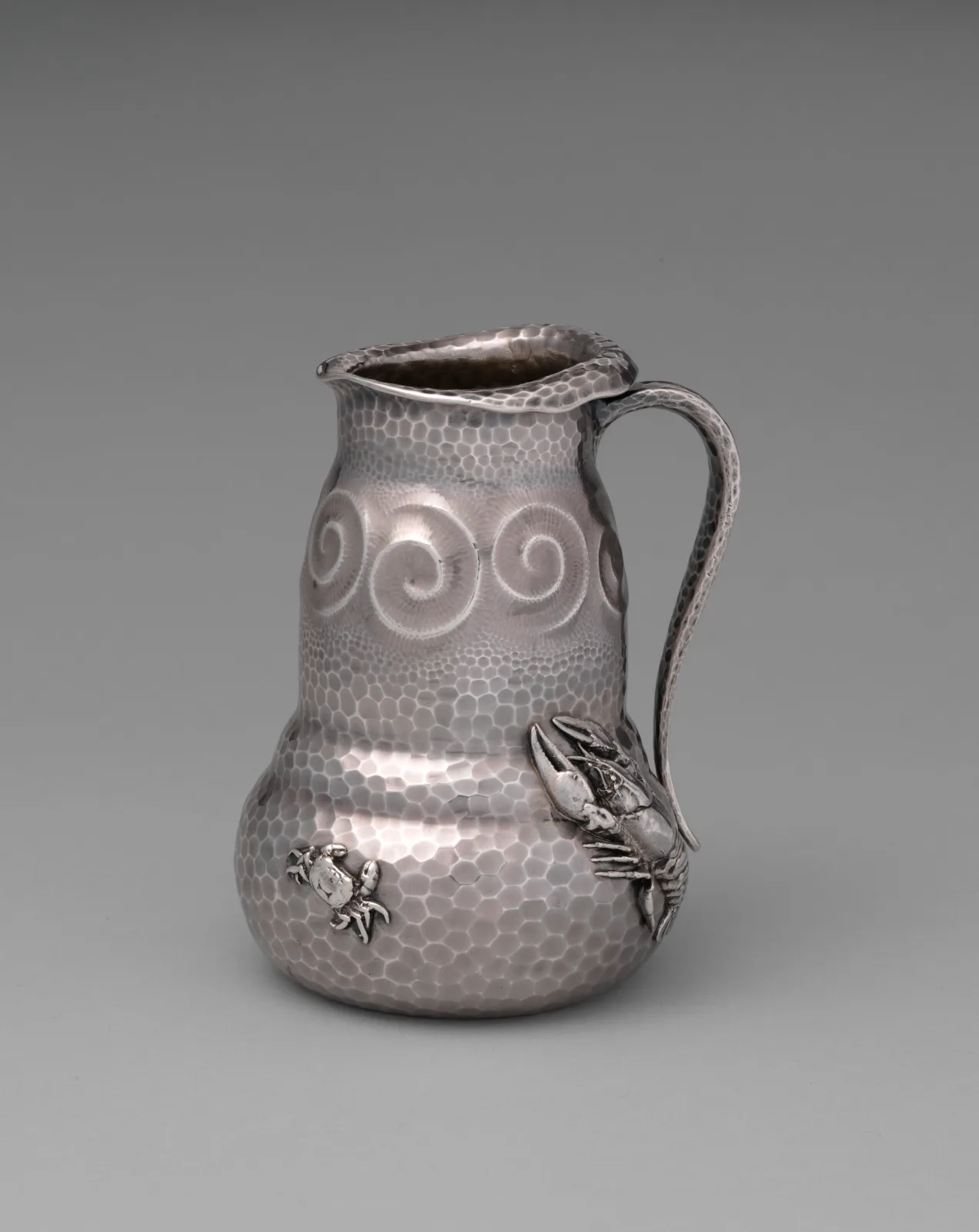
For those, have the piece appraised as an object and treat melt value as the minimum you would accept. For everything else, a scale, the factor table and the day’s spot price will tell you in a few minutes what your sterling silver is worth.
Frequently Asked Questions
Is the silver price I see online what my sterling silver is worth?
No. The quoted spot price is for one troy ounce of pure silver traded in bulk. Sterling is 92.5% silver, so you first take 92.5% of the weight, and a buyer then pays less than that pure-silver value, because the metal still has to be refined. The spot price is the starting point for the calculation, not an offer.
How much is a gram of sterling silver worth?
A gram of sterling silver holds 0.925 grams of pure silver. Since silver is quoted per troy ounce of 31.1035 grams, multiply the weight in grams by 0.02974 and then by the silver price per ounce. At $60 an ounce, used here only as an example, that is about $1.78 per gram of sterling.
What is the difference between the bid and ask price for silver?
The ask is what a dealer charges you to buy, and it is the spot price plus a premium. The bid is what the same dealer will pay you when you sell, and it is lower. The gap between the two is the spread, which covers the dealer's costs.
Identify Your Jewelry Piece Instantly
Unsure about a hallmark, gemstone cut, or metal stamp? Take a photo and get an instant AI analysis and appraisal.