24K Gold Bar Identification: Stamps, Serials and Fakes
💡 Key Takeaways (Quick Reference)
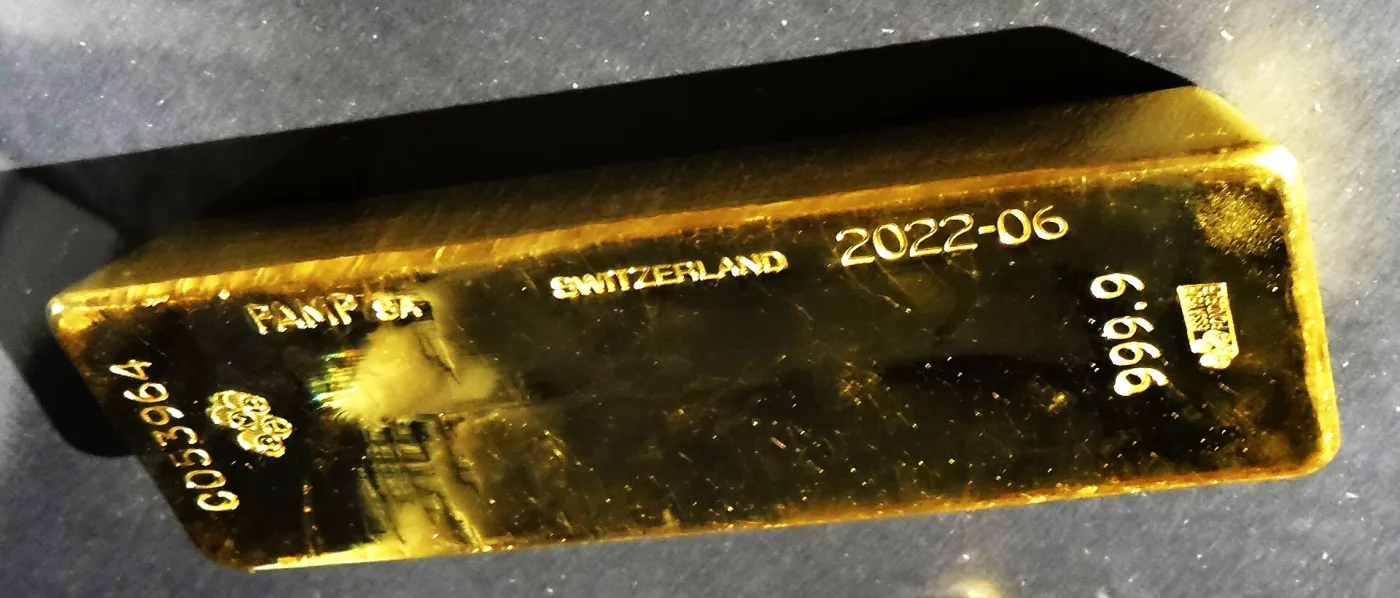
- 24k on a bar is written as fineness, not karat: 999.9 or 999, sometimes 99.99 as a percentage.
- Every genuine bar names its maker. Expect a refiner’s name or logo, the fineness, the weight and, on most bars, a serial number.
- Cast bars are poured; minted bars are cut and pressed. Minted bars usually come sealed in an assay card whose serial matches the bar.
- The dangerous fake is tungsten under gold. Tungsten is almost exactly as dense as gold, so weight and size alone cannot clear a bar.
Is It 24k? Reading the Fineness Stamp {#fineness}
Gold bars are almost never stamped “24K”. They carry millesimal fineness, the parts of pure gold per thousand. Four figures are worth knowing:
| Stamp | Gold content | Karat equivalent | Where you see it |
|---|---|---|---|
| 999.9 (“four nines”) | 99.99% | 24k | Most modern bars and kilobars |
| 99.99 | 99.99% | 24k | The same standard written as a percentage, common on Russian and Asian bars |
| 999 | 99.9% | 24k | Small bars, tola bars, older bars |
| 995 or 995.0 | 99.5% | about 23.9k | The minimum for London Good Delivery 400-ounce bars |
The last row surprises people. The London Bullion Market Association (LBMA) accepts a large Good Delivery bar at a minimum of 995.0 parts per thousand. That is 23.88 karat by arithmetic (995 ÷ 1000 × 24). It is real investment gold, but a bar stamped 995 is not, strictly, 24k. Our gold purity stamps and karat guide lists the lower jewelry standards (916, 750, 585) if the number you see is smaller than these.

The Marks Every Genuine Bar Carries {#marks}
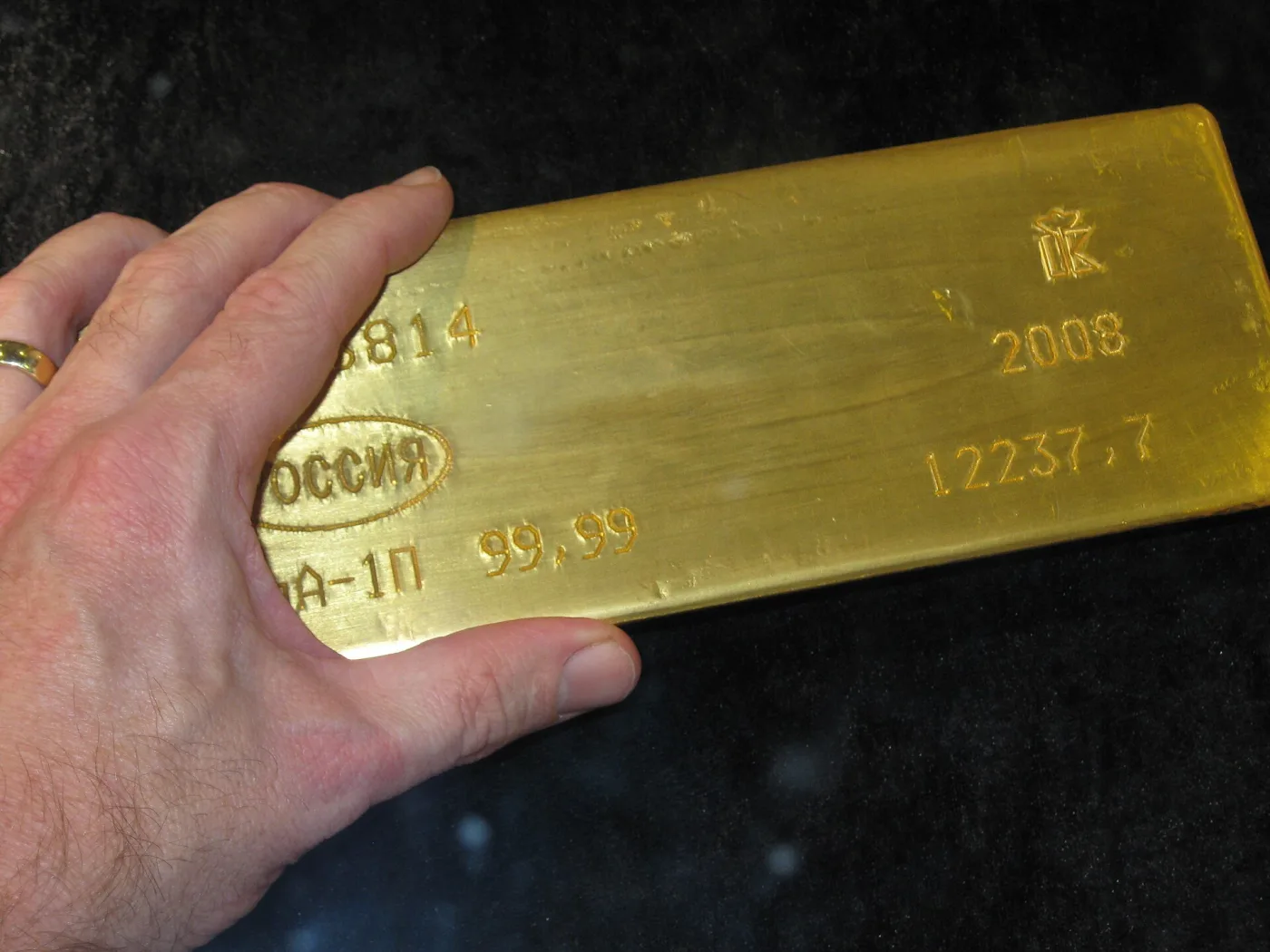
For Good Delivery bars the LBMA requires four marks: a serial number, the refiner’s assay stamp, the fineness to four significant figures, and the year of manufacture. Smaller retail bars are not bound by that rule, but reputable refiners stamp nearly the same set, plus the weight:
- Refiner. A name or logo such as PAMP, Heraeus, Umicore or Valcambi. An unbranded bar is not automatically fake, but it is much harder to resell, and buyers will want it tested.
- Weight. Usually in grams (1 g to 1000 g) or troy ounces (1 oz = 31.1035 g). A kilobar is 1000 g, or about 32.15 troy ounces. In South Asia and the Gulf you will also meet tola bars: one tola is about 11.66 g, so a 10-tola bar weighs about 116.6 g.
- Fineness. 999.9, 999, 99.99 or 995, as in the table above.
- Serial number. Unique to the bar. It ties the bar to the refiner’s records and to its certificate.

Cast or Minted? {#cast-or-minted}
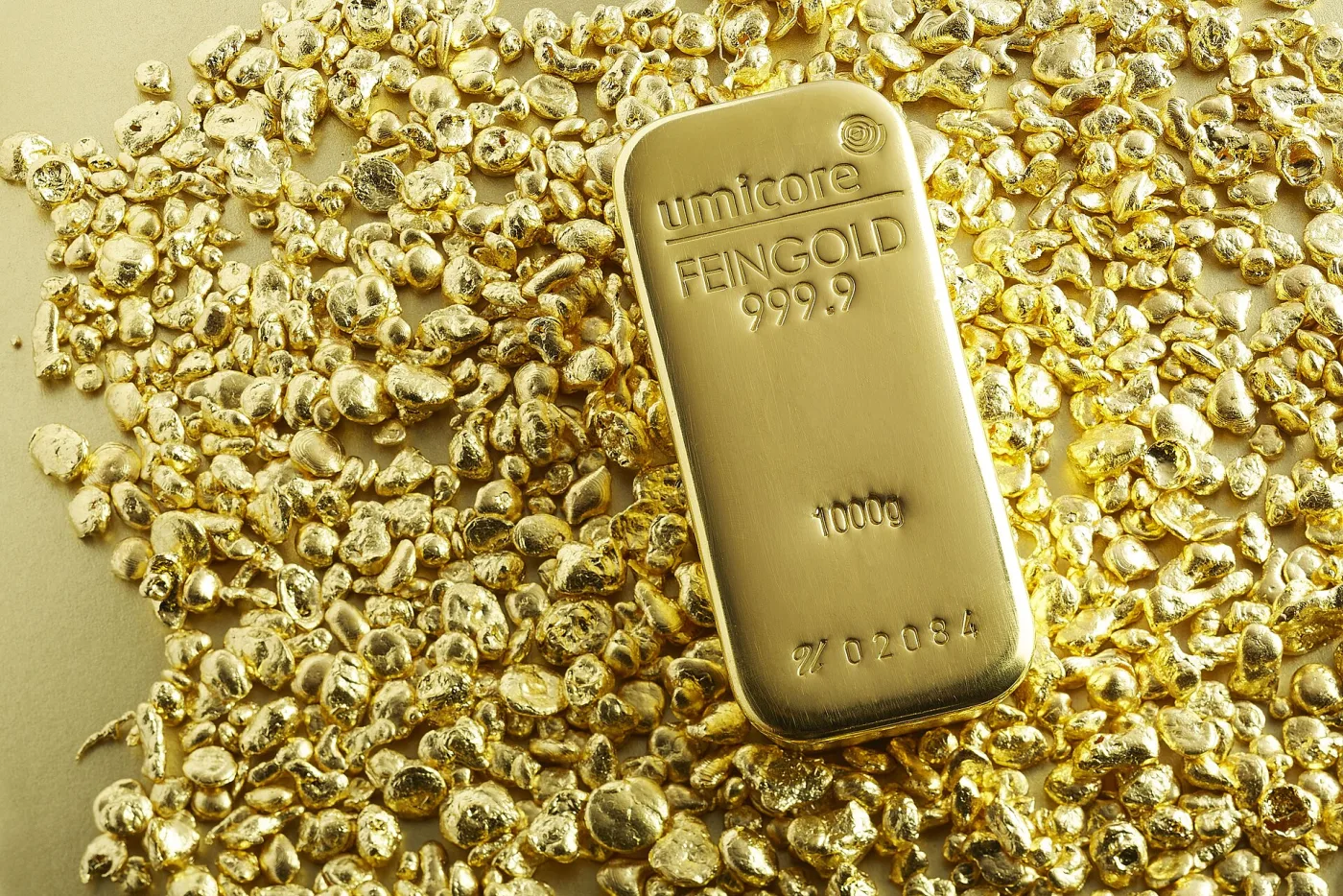
The two ways of making a bar leave different evidence.
| Feature | Cast bar | Minted bar |
|---|---|---|
| How it is made | Molten gold poured into a mould and left to cool | Blank cut precisely from a flat gold sheet, then struck in a press |
| Surface | Irregular, with flow lines and soft edges | Flat, sharp-edged, often with a mirror finish and a design |
| Marks | Stamped into the bar after casting, often slightly uneven | Struck with the design, crisp and uniform |
| Packaging | Usually loose, sometimes with a separate certificate | Usually sealed in a tamper-evident assay card |
| Premium over spot | Lower | Higher |
Large bars are usually cast; small retail bars are most often minted. Neither method is more “genuine” than the other, but the evidence should match the method: a perfectly mirror-smooth bar with hand-stamped, wandering lettering, or a “cast” bar with knife-sharp edges, deserves a second look.

The Assay Card and Security Features {#assay-card}
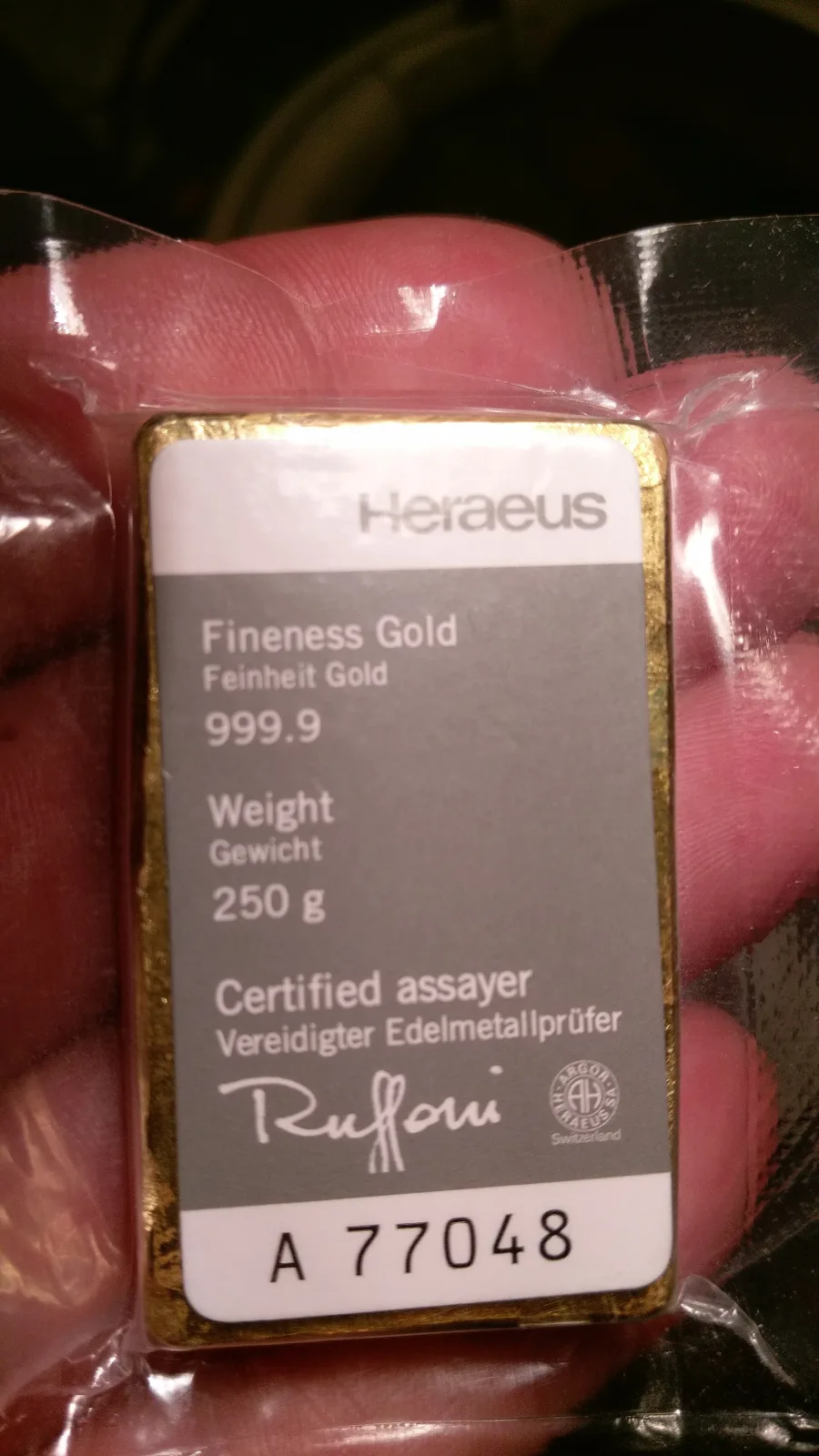
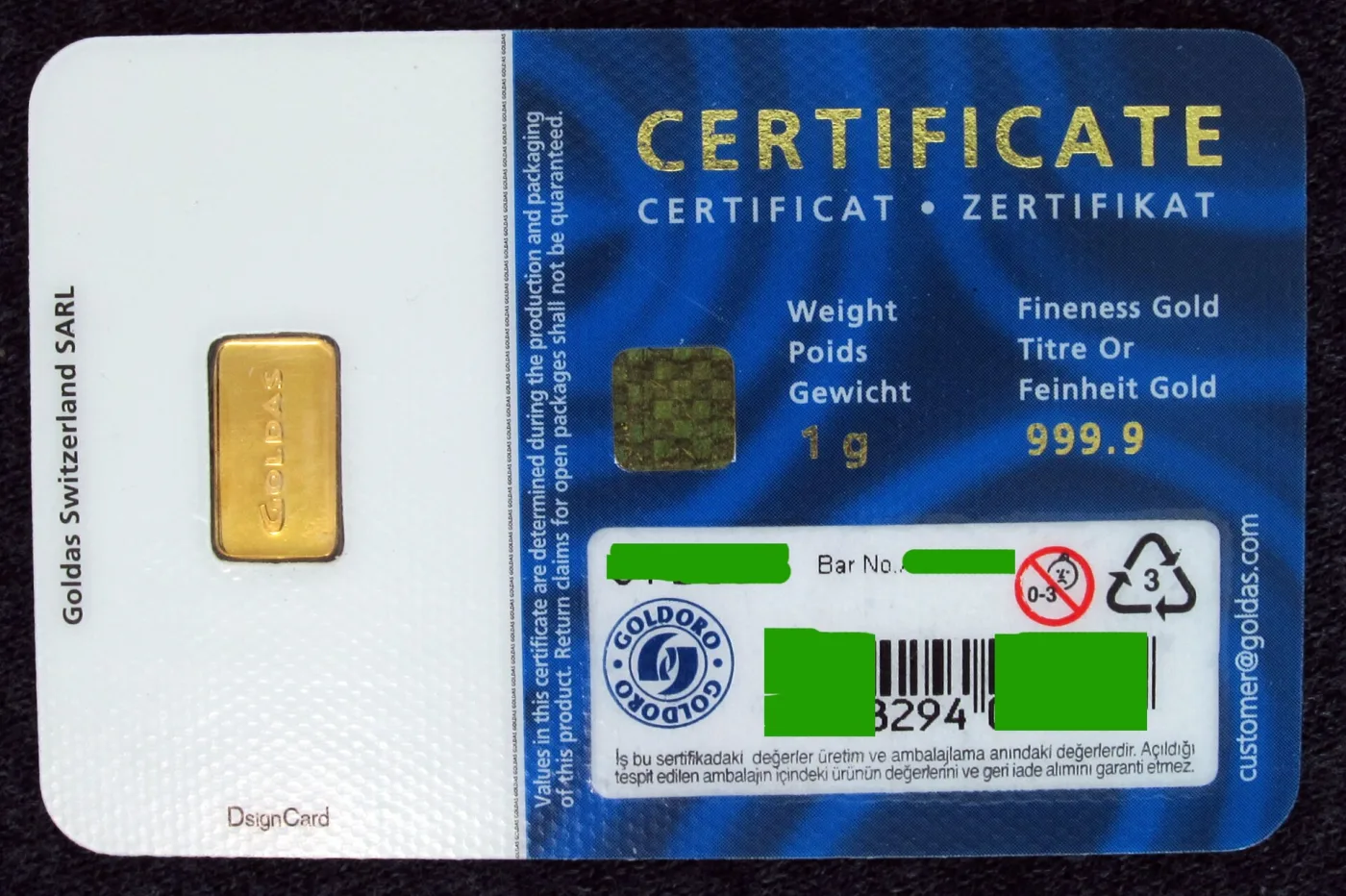
Minted bars are normally sealed in an assay card, a tamper-evident package that states the weight, fineness and serial number and carries an assayer’s signature. Check three things before anything else:
- The serial on the card matches the serial on the bar.
- The seal is intact. A bar removed from its card loses the card’s guarantee, and dealers usually test it before buying.
- Refiner features are present. Some refiners emboss a Kinegram, a diffractive security hologram, directly into the gold; bars made this way are sold as Kinebars. The Austrian Mint’s Kinebars show a Lipizzaner horse and rider that seem to move as you tilt the bar.

Spotting a Fake Gold Bar {#fakes}
Crude fakes, such as brass, plated copper or a gold-coloured alloy, fail the first two checks below. The dangerous fake is tungsten. Gold’s density is 19.32 g/cm³ and tungsten’s is about 19.25 g/cm³, a difference of well under one percent. A tungsten core under a layer of real gold can therefore weigh and measure almost exactly like a genuine bar. The usual method is a tungsten block, cut slightly undersize, with real gold plated or cast around it.
| Test | Catches | Misses |
|---|---|---|
| Weight and dimensions against the refiner’s published specification | Brass, copper, plated base metal, wrong-size copies | Tungsten cores |
| Magnet | Iron, nickel and steel cores | Gold and tungsten alike: tungsten’s pull is far too weak for an ordinary magnet |
| XRF analyser | Low-karat or plated surfaces | Anything below the surface layer, including a tungsten core under thick gold |
| Conductivity tester (e.g. Sigma Metalytics) | Tungsten and other inclusions inside the bar, because they conduct electricity differently from fine gold | Requires the instrument; most buyers use a dealer’s |
For a bar of real value, the practical answer is to buy from an established dealer, keep the assay card sealed, and have any loose bar tested on a conductivity instrument before you pay. If you want to estimate what a genuine bar is worth, the same melt-value arithmetic as in our 14k gold value guide applies, using 0.9999 as the purity.

A Quick Identification Checklist {#checklist}
- Find the fineness. 999.9, 99.99 or 999 means 24k; 995 means about 23.9k.
- Find the refiner and serial. Then look the refiner’s specification up and compare length, width, thickness and weight.
- Match the card. For a minted bar, the card’s serial must match the bar’s, and the seal must be unbroken.
- Read the method. Cast bars look poured, minted bars look struck. The marks should fit the method.
- Test before you pay for any loose or unbranded bar, ideally with a conductivity instrument, because weight and a magnet cannot find tungsten.
A gold bar is easier to identify than most jewelry, because a genuine one says what it is in plain stamps. The work is in confirming that the metal underneath agrees. For stamps on gold jewelry rather than bullion, start with our guide to what 950 means on jewelry, which separates platinum, silver and the “950 gold” that does not exist.
Frequently Asked Questions
How can I tell if a gold bar is 24k?
Read the fineness stamp. A 24k bar is marked 999.9 (four nines, 99.99% gold) or 999 (99.9%). Some refiners write it as a percentage, 99.99. A bar marked 995 is 99.5% gold, which works out to about 23.9 karat: it is still investment gold, but strictly it is not 24k.
What do the numbers stamped on a gold bar mean?
A bar normally carries the refiner's name or logo, the fineness (999.9), the weight (1 oz, 100 g, 1000 g), and a serial number. Large 400-ounce bars must also show the year of manufacture. On a minted bar sold in an assay card, the serial on the card should match the serial on the bar.
Can a magnet tell me if a gold bar is fake?
Only for crude fakes with iron or nickel inside. Gold is not attracted to a magnet, and tungsten, the metal used in the most convincing fakes, is only very weakly attracted, too weakly for an ordinary magnet to show. A conductivity tester or a dealer's equipment is needed to find a tungsten core.
Identify Your Jewelry Piece Instantly
Unsure about a hallmark, gemstone cut, or metal stamp? Take a photo and get an instant AI analysis and appraisal.